

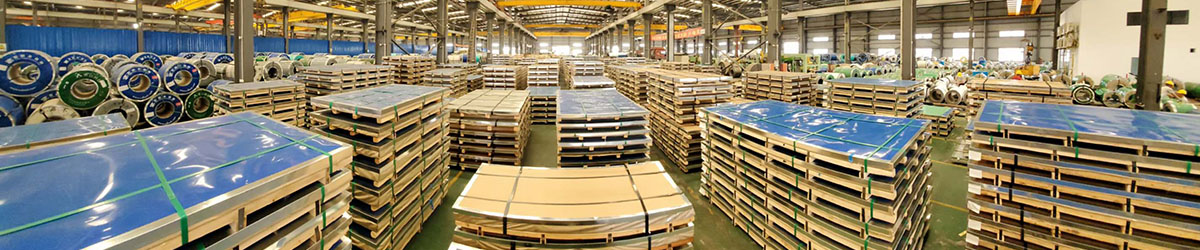
Introduction to Aluminum Coil Materials
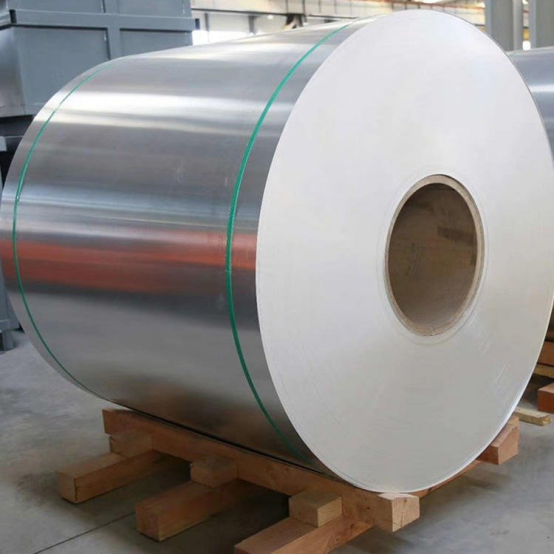
Aluminum coils are essential materials in various industries, known for their lightweight, corrosion resistance, and versatility. Jindalai Steel Group Co., Ltd. specializes in providing high-quality aluminum coil materials, including plain aluminum coils and embossed aluminum coils. These products are available in different states, such as O state (annealed), H state (work hardened), and T state (heat treated), each representing distinct performance orientations. Understanding these states is crucial for selecting the right aluminum coil for specific applications, ensuring optimal performance and durability.
Regulating Performance in Aluminum Coil Production
The production of aluminum coils involves several critical processes, including hot rolling, cold rolling, and annealing. To regulate the performance of hot rolling billets, it is essential to control the opening and temperature accurately. Maintaining the right temperature during hot rolling ensures that the aluminum maintains its desired properties, while precise thickness and shape control during cold rolling are vital for achieving the required specifications. The annealing process, which can be intermediate or finished product annealing, further enhances the mechanical properties of the aluminum coil, allowing for improved workability and performance in end-use applications.
Reverse Engineering Aluminum Coil Properties
Reverse engineering aluminum coils involves analyzing the final product’s mechanical properties, corrosion resistance, and surface treatment requirements. By understanding the desired characteristics of the final product, manufacturers can determine the appropriate alloy, temper, and surface treatment needed. For instance, if the final product requires high corrosion resistance, a specific alloy with enhanced protective properties may be selected. Additionally, the tempering process can be adjusted to achieve the necessary strength and flexibility, ensuring that the aluminum coil meets the demands of subsequent processing methods such as stamping, bending, welding, and painting.
Applications of Aluminum Coils in Various Industries
Aluminum coils are widely used across multiple industries, including automotive, aerospace, construction, and packaging. The versatility of aluminum coils allows them to be tailored for specific applications, whether it be for lightweight components in vehicles or durable materials for building facades. Jindalai Steel Group Co., Ltd. provides a range of aluminum coil products that cater to these diverse needs, ensuring that customers receive high-quality materials that meet their performance and aesthetic requirements.
Conclusion: Choosing the Right Aluminum Coil Supplier
When selecting an aluminum coil supplier, it is essential to consider their expertise in aluminum coil production and their ability to provide customized solutions. Jindalai Steel Group Co., Ltd. stands out as a reliable supplier, offering a comprehensive range of aluminum coil materials, including plain and embossed options. With a focus on quality and performance, they ensure that their products meet the highest industry standards. By understanding the intricacies of aluminum coil properties and production techniques, businesses can make informed decisions that enhance their product offerings and drive success in their respective markets.
Post time: Feb-12-2026


