

Core Material Characteristics of Aluminum Discs
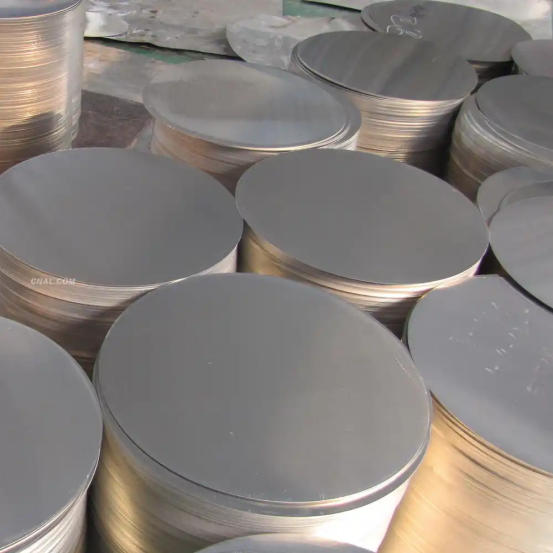
Aluminum discs, also known as aluminum plates or aluminum disks, are renowned for their lightweight and high strength. These characteristics make them an ideal choice for various applications, from automotive components to kitchenware. Additionally, aluminum exhibits excellent thermal conductivity, which is crucial for applications requiring efficient heat dissipation. The good ductility of aluminum allows it to be easily formed into different shapes without losing its integrity, while its natural corrosion resistance ensures longevity and durability in various environments. These core material characteristics enable aluminum discs to be widely used in industries such as aerospace, manufacturing, and consumer goods.
Differences in Alloy Grades and Their Applications
When it comes to aluminum discs, the alloy grade plays a significant role in determining performance and application suitability. For instance, 1050 and 1060 aluminum discs are known for their excellent corrosion resistance and high thermal conductivity, making them ideal for electrical applications. On the other hand, 1100 aluminum discs offer better formability and are often used in food processing and chemical handling. The 3003 alloy provides good workability and moderate strength, making it suitable for cooking utensils and storage tanks. Lastly, 5052 aluminum discs are known for their high strength and corrosion resistance, making them perfect for marine applications. Understanding these differences is crucial for selecting the right aluminum disc for your specific needs.
Main Production Processes for Aluminum Discs
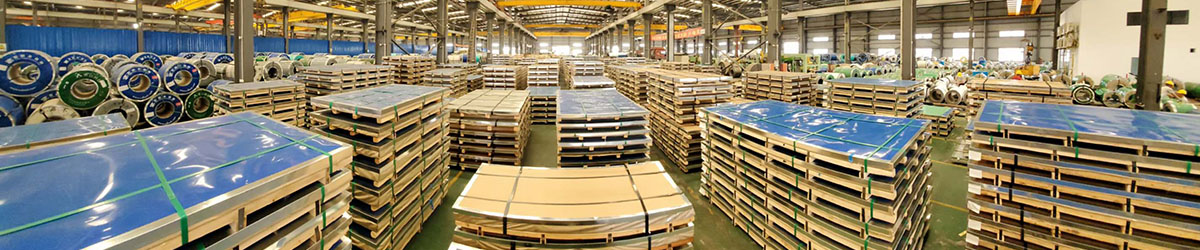
The production of aluminum discs involves several key processes, including casting, rolling, and stamping. Initially, aluminum ingots are melted and cast into large slabs. These slabs are then rolled into thinner sheets, which can be further processed into discs. Stamping is often employed to cut the rolled sheets into the desired disc shapes and sizes. Jindalai Steel Group Co., Ltd. utilizes advanced technology and quality control measures throughout these processes to ensure that their aluminum discs meet the highest industry standards. This commitment to quality ensures that customers receive products that are reliable and effective for their applications.
Selecting the Right Aluminum Disc for Your Application
Choosing the appropriate aluminum disc involves considering several factors, including thickness, diameter, and alloy grade. For deep-drawn parts, a thinner disc may be required to facilitate the drawing process, while spun parts may necessitate a thicker disc for added strength. Flat parts can often utilize a range of thicknesses depending on the specific application requirements. Additionally, the alloy grade should align with the intended use; for example, if corrosion resistance is a priority, opting for a higher-grade alloy like 5052 would be beneficial. By carefully evaluating these factors, users can select the most suitable aluminum disc for their final product.
Conclusion: The Versatility of Aluminum Discs
In conclusion, aluminum discs, aluminum plates, and aluminum round plates are versatile materials that offer a range of benefits due to their lightweight, strength, and thermal properties. With various alloy grades available, each suited for specific applications, it is essential to understand the differences and production processes involved. Jindalai Steel Group Co., Ltd. is committed to providing high-quality aluminum discs tailored to meet the diverse needs of industries. By considering the characteristics, applications, and selection criteria outlined in this article, users can make informed decisions that enhance their product performance and longevity.
Post time: Mar-04-2026


