

Understanding Aluminum Patterned Sheets
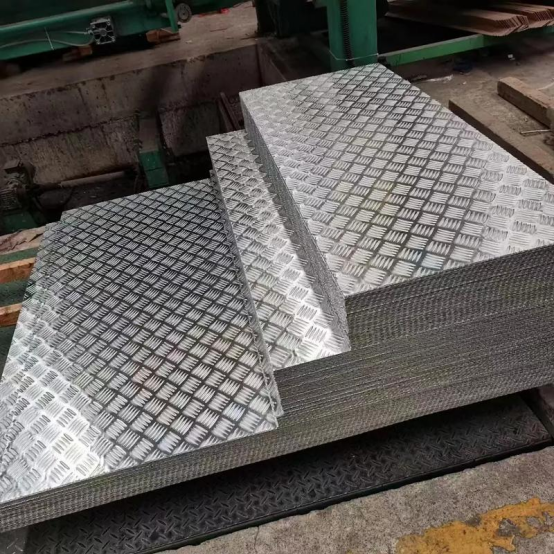
Aluminum patterned sheets, including embossed aluminum sheets and aluminum alloy patterned sheets, serve multiple core functions in various industries. Their primary roles encompass anti-slip safety, aesthetic decoration, and structural reinforcement. The unique patterns embossed onto these sheets not only enhance their visual appeal but also provide functional benefits. For instance, a diamond pattern can significantly improve traction, making it ideal for flooring applications in commercial and industrial settings. Meanwhile, other designs may focus on decorative purposes, adding a touch of elegance to architectural projects. The versatility of aluminum patterned sheets makes them a preferred choice for manufacturers and designers alike.
Unique Properties of Aluminum Checkered Plates
One of the standout features of aluminum checkered plates is their exceptional light and heat reflection properties. Aluminum, by nature, is a highly reflective material, which means that aluminum patterned sheets can effectively reflect light and heat away from surfaces. This characteristic is particularly beneficial in applications where temperature control is crucial, such as in the automotive and aerospace industries. By utilizing aluminum embossed sheets, companies can enhance energy efficiency and reduce cooling costs, making them an environmentally friendly option. The reflective properties also contribute to safety by improving visibility in low-light conditions.
Classification of Aluminum Patterned Sheets
Aluminum patterned sheets can be classified based on their alloy composition, which directly influences their mechanical properties and suitability for various applications. Common alloys used in the production of these sheets include 1050, 1060, 3003, and 5052, each offering distinct advantages. For example, 3003 aluminum alloy is known for its excellent corrosion resistance and formability, making it ideal for decorative applications. In contrast, 5052 aluminum alloy provides superior strength and is often used in structural applications. Understanding the classification of aluminum patterned sheets allows manufacturers to select the right material for their specific needs.
Production Processes of Aluminum Patterned Sheets
The production of aluminum patterned sheets involves several key processes, including smelting, rolling or casting, embossing, heat treatment, and surface treatment. The journey begins with smelting, where raw aluminum is extracted and purified. This is followed by rolling or casting, where the aluminum is shaped into sheets of desired thickness. The embossing process is crucial, as it creates the distinctive patterns that provide both aesthetic and functional benefits. Heat treatment may be applied to enhance the strength and durability of the sheets, while surface treatment ensures a smooth finish and protects against corrosion. Each of these processes plays a vital role in delivering high-quality aluminum patterned sheets that meet industry standards.
Jindalai Steel Group Co., Ltd.: Your Trusted Partner
At Jindalai Steel Group Co., Ltd., we specialize in providing top-quality aluminum patterned sheets tailored to meet the diverse needs of our clients. Our commitment to excellence ensures that our products not only meet but exceed industry standards. With a wide range of options, including aluminum embossed sheets and aluminum alloy patterned sheets, we are dedicated to delivering solutions that enhance safety, aesthetics, and structural integrity. Trust Jindalai Steel Group Co., Ltd. for all your aluminum patterned sheet needs, and experience the difference that quality and innovation can make in your projects.
Post time: Mar-05-2026


