

Introduction to Aluminum Pipes
Aluminum pipes, particularly those manufactured by Jindalai Steel Group Co., Ltd., are renowned for their lightweight, corrosion-resistant properties and high strength-to-weight ratio. The core advantages of aluminum pipes, including aluminum alloy pipes and high-strength alloy aluminum pipes, make them ideal for various applications across industries. Their versatility allows for use in construction, automotive, aerospace, and even plumbing systems, where durability and performance are paramount. Additionally, aluminum-plastic composite pipes offer unique benefits, combining the strengths of both materials for enhanced functionality.
Seamless vs. Welded Aluminum Tubes
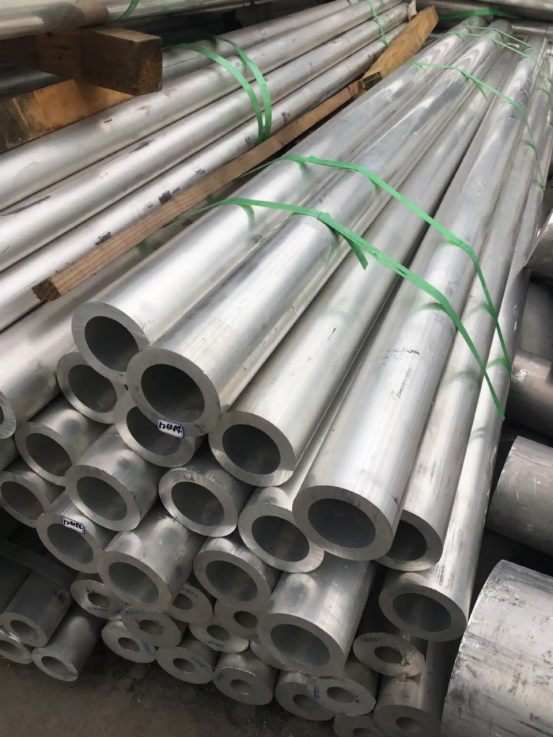
When considering aluminum tubes, it is essential to understand the key differences between seamless aluminum tubes and welded aluminum tubes. Seamless tubes are manufactured from a solid block of aluminum, which is then heated and extruded to form a hollow tube. This process results in a uniform structure with no weld seams, providing superior strength and resistance to pressure. In contrast, welded aluminum tubes are created by joining two or more pieces of aluminum together, which can introduce potential weak points. While seamless tubes are often preferred for high-pressure applications, welded tubes can be more cost-effective for less demanding uses, making the choice dependent on specific project requirements.
Surface Treatment Technologies for Aluminum Tubes
The performance and longevity of aluminum tubes can be significantly enhanced through various surface treatment technologies. Common methods include anodizing, which increases corrosion resistance and improves surface hardness, and powder coating, which provides a durable finish in a variety of colors. Other treatments, such as chemical conversion coatings and polishing, can also be employed to enhance aesthetic appeal and further protect against environmental factors. These surface treatments not only improve the functional properties of aluminum pipes but also contribute to their overall marketability in competitive industries.
Key Process Parameters Influencing Quality and Price
Several key process parameters determine the quality and price of aluminum tubes. These include the alloy composition, which affects strength and corrosion resistance, and the manufacturing process, whether seamless or welded. Additionally, factors such as wall thickness, diameter, and surface finish play crucial roles in defining the final product’s performance characteristics. Quality control measures, including testing for tensile strength and dimensional accuracy, are also vital in ensuring that the aluminum tubes meet industry standards. Understanding these parameters allows manufacturers and consumers alike to make informed decisions regarding the selection and pricing of aluminum products.
Conclusion: The Future of Aluminum Pipes
As industries continue to evolve, the demand for high-quality aluminum pipes, including aluminum alloy pipes and aluminum-plastic composite pipes, is expected to grow. Jindalai Steel Group Co., Ltd. remains at the forefront of this market, providing innovative solutions that meet the diverse needs of customers. By leveraging the advantages of aluminum materials and employing advanced manufacturing techniques, the company is well-positioned to deliver products that not only meet but exceed expectations. As we look to the future, the role of aluminum pipes in various applications will undoubtedly expand, driven by their unique properties and the ongoing pursuit of efficiency and sustainability in manufacturing.
Post time: Feb-15-2026


