

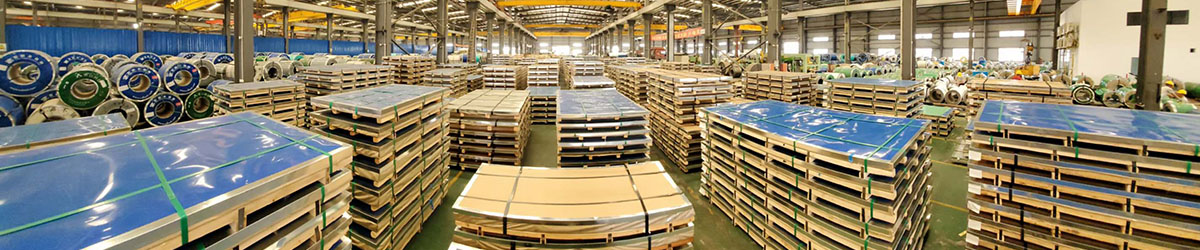
Understanding Angle Steel Materials
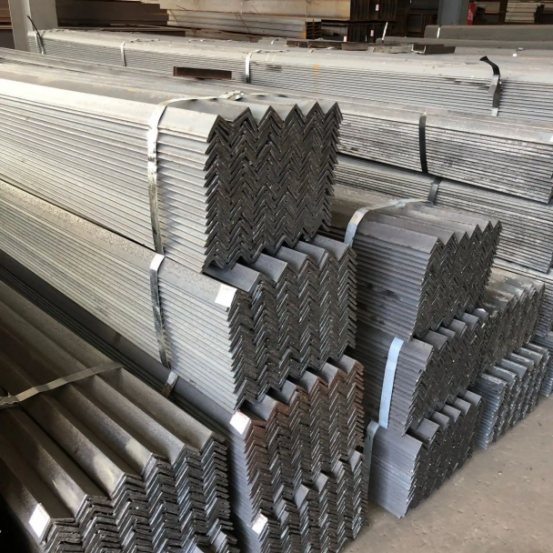
Angle steel, also known as angle iron, is a vital component in the construction industry, particularly in structural applications. The primary materials used for angle steel production include Q195, Q235B, and Q345B. Each grade offers distinct properties that cater to various structural needs. Q195 is known for its low carbon content, making it suitable for light-duty applications. Q235B, with a moderate carbon content, provides a balance of strength and ductility, making it ideal for general construction. Q345B, on the other hand, is a high-strength steel that is often used in heavy-duty applications, such as bridges and high-rise buildings. Understanding these differences is crucial for selecting the right angle steel for your project.
The Production Process of Hot-Rolled Angle Steel
The production of hot-rolled carbon structural steel angle steel begins with heating steel billets to a temperature of around 1,200 degrees Celsius. This process softens the steel, making it malleable for shaping. The heated billets are then passed through a series of rollers that gradually form them into the desired angle shape. Key quality control points during this process include monitoring the temperature of the steel, ensuring uniform thickness, and conducting dimensional checks. These measures are essential to maintain the structural integrity and performance of the angle steel, ensuring it meets industry standards.
Construction Considerations for External Reinforcement
When it comes to reinforcing existing buildings, the use of angle steel through the enlarging cross-section method is a common practice. This technique involves attaching angle steel to the exterior of structural elements to enhance their load-bearing capacity. Key points to consider during construction include ensuring proper alignment and secure fastening of the angle steel to the existing structure. Additionally, it is crucial to assess the load distribution and potential stress points to avoid compromising the integrity of the original building. Proper planning and execution can significantly improve the overall strength and durability of the structure.
Anti-Corrosion Treatment Methods
Angle steel is often exposed to harsh environmental conditions, making anti-corrosion treatment essential for longevity. Common methods include rust-preventive paint, galvanizing, and powder coating. Rust-preventive paint provides a protective layer that can be easily applied and maintained. Galvanizing, which involves coating the steel with zinc, offers superior protection against corrosion, making it ideal for outdoor applications. Powder coating provides a durable finish that is resistant to chipping and fading. When choosing an anti-corrosion solution, it is important to consider the usage environment, such as exposure to moisture, chemicals, or extreme temperatures, to ensure optimal protection.
Choosing the Right Angle Steel Supplier
When sourcing angle steel, partnering with a reputable supplier like Jindalai Steel Group Co., Ltd. is crucial. A reliable supplier not only provides high-quality products but also offers expertise in selecting the right materials for your specific needs. With a commitment to excellence in angle steel production, Jindalai Steel Group ensures that their products meet stringent quality standards, making them a trusted choice for construction professionals. By understanding the properties of different angle steel grades, the production process, and the importance of anti-corrosion treatments, you can make informed decisions that enhance the structural integrity of your projects.
Post time: Mar-11-2026


