

The Marvel of Brass Tubing
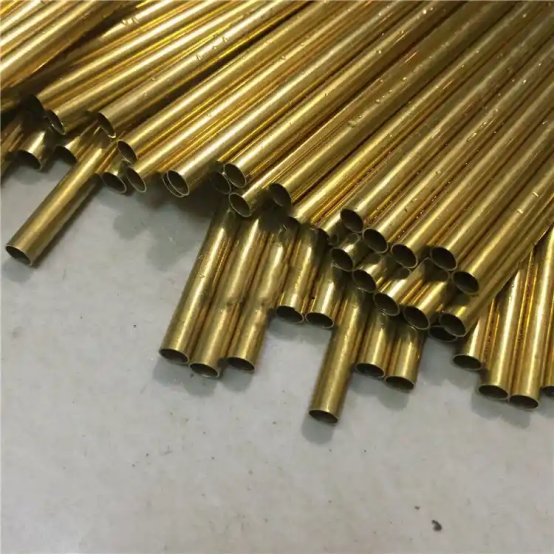
When it comes to metal pipes, brass tubing is often hailed as the unsung hero. Why, you ask? Well, it’s not just because it sounds fancy. Brass pipes, especially the M63 and H62 grades, are celebrated for their excellent plasticity and toughness. This means they can bend and flare like a gymnast at the Olympics without breaking a sweat. So, if you’re in the market for a reliable brass pipe supplier, look no further than Jindalai Steel Group Co., Ltd. They’ve got the brass tubing you need to get the job done right!
Extrusion vs. Drawing: The Battle of the Brass Tubing Titans
Now, let’s dive into the nitty-gritty of how brass tubing is made. There are two main production processes: extrusion and drawing. Think of extrusion as the “squeeze it out” method, where heated brass is forced through a die to create a pipe. On the other hand, drawing is more like “pulling it into shape,” where the brass is pulled through a die to achieve the desired diameter. The pipes produced by extrusion tend to be thicker and stronger, making them perfect for heavy-duty applications. Meanwhile, drawn pipes are often more precise and have a smoother finish, ideal for applications where aesthetics matter. So, whether you need a tough brass pipe for industrial use or a sleek one for your home, there’s a brass tubing option for you!
Decoding Brass Tubing Grades
You might have heard of brass tubing grades like H65, H68, H80, and H85, but what do those numbers even mean? Well, they represent the copper content in the alloy. The higher the number, the more copper is present, which generally means better corrosion resistance and improved mechanical properties. For instance, H65 is great for applications requiring moderate strength, while H85 is your go-to for high-strength needs. So, when you’re choosing your brass tubing, keep those numbers in mind to ensure you get the right fit for your project!
Brass Tubing vs. PPR and Stainless Steel: The Showdown
When it comes to building water supply systems, brass tubing has some serious advantages over PPR pipes and stainless steel pipes. First off, brass pipes have a longer lifespan, often outlasting their plastic counterparts by decades. They’re also more reliable, with a lower risk of leaks and failures. Hygiene is another win for brass, as it’s naturally antimicrobial, keeping your water supply clean and safe. Plus, installation is a breeze! Brass tubing is lightweight and easy to work with, making it a favorite among plumbers. So, if you want a piping system that stands the test of time, brass is the way to go!
The Price Tag of Brass Tubing
Finally, let’s talk about the elephant in the room: the price of brass tubing. Several factors drive the cost, including the price of raw materials, production processes, and market demand. When copper prices soar, so do the costs of brass tubing. Additionally, the complexity of the manufacturing process can add to the price tag. But don’t let that scare you! Investing in quality brass tubing from a reputable supplier like Jindalai Steel Group Co., Ltd. ensures you get the best bang for your buck. After all, you wouldn’t want to skimp on something that’s going to carry your precious water, would you?
In conclusion, brass tubing is not just another metal pipe; it’s a versatile, reliable, and long-lasting solution for all your piping needs. Whether you’re bending, flaring, or just looking for a solid investment, brass tubing has got your back!
Post time: Nov-07-2025


