

Introduction to Carbon Steel Channel Steel
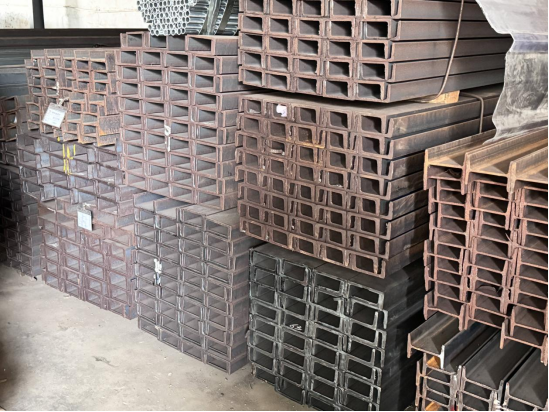
Carbon steel channel steel, often referred to as channel steel or C-shaped steel, is a vital component in the construction and manufacturing industries. Jindalai Steel Group Co., Ltd. is a leading supplier of carbon structural steel channel steel, providing high-quality products that meet various engineering requirements. The core mechanical properties of channel steel, such as tensile strength, yield strength, and ductility, make it an ideal choice for structural applications. Understanding whether to use channel steel “standing” or “lying” is crucial; the standing position allows the flange to bear the load more effectively, enhancing the structural integrity of the assembly.
Categories of Channel Steel
Channel steel can be categorized based on its uses and manufacturing processes. The main types include ordinary channel steel, light channel steel, and cold-formed channel steel. Ordinary channel steel is typically used in heavy-duty applications due to its robust design. Light channel steel, on the other hand, is favored for lighter structures where weight savings are essential. Cold-formed channel steel is manufactured through a unique process that shapes steel coils or plates at room temperature, resulting in a product that is both lightweight and strong. Each category serves distinct purposes, allowing engineers and architects to select the most suitable option for their projects.
Production Process of Cold-Formed Channel Steel
The production of cold-formed channel steel differs significantly from traditional hot rolling methods. Cold-formed channel steel is produced by continuously bending steel coils or plates into the desired shape at room temperature. This process not only preserves the material’s inherent properties but also enhances its strength through strain hardening. The advantages of cold-formed channel steel include reduced energy consumption during production, lower material waste, and the ability to create complex shapes that may not be feasible with hot-rolled steel. These benefits make cold-formed channel steel an attractive option for modern construction projects.
Global Supply and Demand Dynamics
The global channel steel market is characterized by fluctuating supply and demand patterns influenced by various factors, including economic growth, infrastructure development, and raw material availability. As countries invest in infrastructure projects, the demand for carbon steel channel steel continues to rise. Jindalai Steel Group Co., Ltd. plays a crucial role in meeting this demand by providing high-quality channel steel products to various sectors, including construction, automotive, and manufacturing. The increasing focus on sustainable building practices also drives the demand for channel steel, as it is recyclable and can contribute to green building certifications.
Conclusion: The Future of Channel Steel
As the construction industry evolves, the importance of carbon steel channel steel remains steadfast. With its diverse applications, robust mechanical properties, and various manufacturing processes, channel steel is poised to meet the challenges of modern engineering. Jindalai Steel Group Co., Ltd. stands at the forefront of this market, offering innovative solutions and high-quality products to support the growing needs of the industry. As we look to the future, the role of channel steel in sustainable construction and infrastructure development will undoubtedly expand, solidifying its place as a cornerstone of modern engineering.
Post time: Mar-19-2026


