

Introduction to Carbon Steel Hexagonal Tubes
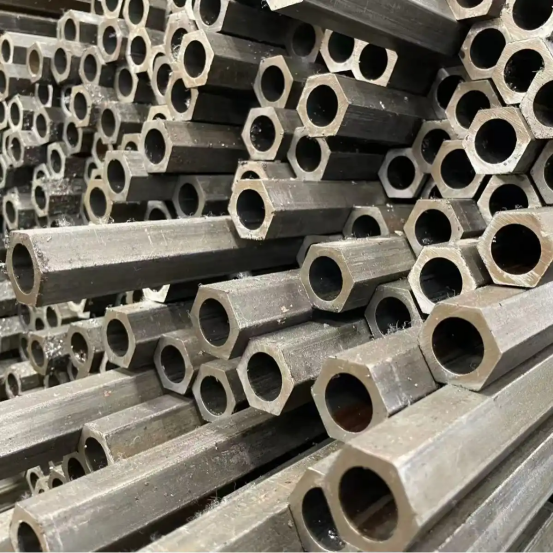
Carbon steel hexagonal tubes, a specialized form of hollow hexagonal steel, are increasingly gaining traction in various industries due to their unique shape and structural properties. Jindalai Steel Group Co., Ltd. is at the forefront of producing high-quality carbon steel hexagonal tubes, catering to the specific needs of clients across multiple sectors. These tubes are characterized by their hexagonal external shape and round internal structure, making them ideal for applications that require both strength and aesthetic appeal.
Grades and Processes of Carbon Steel Hexagonal Tubes
The production of carbon steel hexagonal tubes typically involves several grades of carbon steel, including low, medium, and high carbon variants. Common processes used in their manufacturing include hot rolling, cold rolling, and extrusion. Each of these processes significantly influences the dimensional accuracy, surface finish, and mechanical properties of the final product. For instance, hot rolling tends to produce a rougher surface finish but allows for greater flexibility in shaping, while cold rolling offers improved dimensional accuracy and a smoother surface, albeit at a higher cost. Understanding these processes is crucial for industries that require precise specifications and high-quality materials.
Formation Techniques for Carbon Steel Hexagonal Tubes
The formation of carbon steel hexagonal tubes involves a series of steps that begin with the selection of raw materials. The steel is first heated and then shaped into a hexagonal form through various methods, including die forming and welding. The internal round structure is achieved through careful manipulation of the material during the forming process. This combination of external hexagonal and internal round shapes provides enhanced strength and stability, making these tubes suitable for demanding applications in construction, automotive, and manufacturing sectors.
Market Demand and Volatility for Carbon Steel Hexagonal Tubes
Carbon steel hexagonal tubes represent a niche market, primarily driven by industries such as construction, automotive, and machinery manufacturing. The demand for these tubes is often influenced by trends in infrastructure development and technological advancements in manufacturing processes. However, the market can be volatile, subject to fluctuations in raw material prices and changes in industry demand. Companies like Jindalai Steel Group Co., Ltd. must remain agile and responsive to these market dynamics to maintain their competitive edge and ensure a steady supply of high-quality products.
Technological Challenges in Producing High-Quality Carbon Steel Hexagonal Tubes
Producing high-quality carbon steel hexagonal tubes presents several technological challenges. One of the core issues is achieving consistent dimensional accuracy across large production runs, which is essential for applications requiring precise fit and function. Additionally, maintaining a high surface finish while ensuring the mechanical properties meet industry standards can be difficult, particularly when working with varying grades of carbon steel. Innovations in manufacturing techniques and quality control processes are vital for overcoming these challenges and ensuring that products meet the rigorous demands of the market.
In conclusion, carbon steel hexagonal tubes are a vital component in various industries, and understanding their production processes, market dynamics, and technological challenges is essential for companies like Jindalai Steel Group Co., Ltd. to thrive in this competitive landscape. By focusing on quality and innovation, they can continue to meet the evolving needs of their clients and drive growth in this specialized market.
Post time: Feb-19-2026


