

The Design Dilemma: Rhombus, Lentil, or Round Bean?
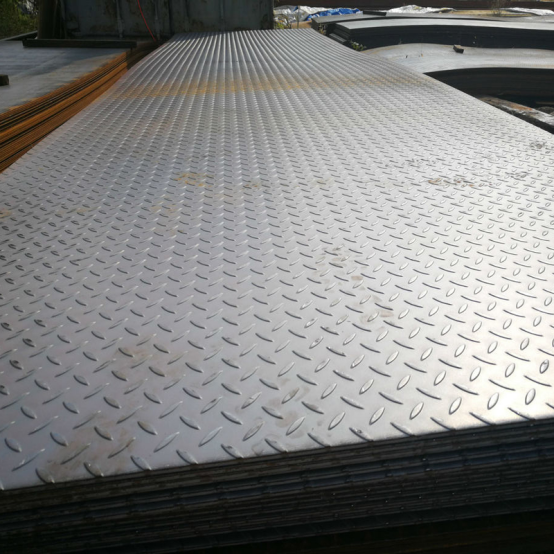
When it comes to patterned steel plates, the design choices can feel like a trip to an all-you-can-eat buffet—so many options, but which one will satisfy your needs? The most common patterns on the market include rhombus, lentil, and round bean shapes. Each has its own flair and functionality. The rhombus-shaped steel plate is often touted for its superior anti-slip effect, thanks to its sharp angles that create a more textured surface. On the other hand, the lentil shape is a crowd-pleaser for its ease of cleaning—less surface area means less grime to scrub. And let’s not forget the round bean shape, which is like the quirky cousin at family gatherings: it’s unique and charming but may not be the best at keeping you upright on a slippery floor. So, if you’re looking for safety, go rhombus; if you’re after cleanliness, lentil is your friend.
The Anti-Slip Principle: Science Meets Steel
Now, let’s get down to the nitty-gritty of how these patterned steel sheets keep you from doing the slip-and-slide dance. The anti-slip principle is all about creating friction. When you step on a patterned steel plate, the raised designs increase the contact area between your shoe and the plate, providing better grip. But how do we measure this anti-slip level? Enter the coefficient of friction (COF)—a fancy term that tells us how well a surface resists sliding. In oily or wet environments, the effectiveness of these plates can vary, but a well-designed patterned plate can still hold its ground, making it a reliable choice for industrial settings.
Why Thickness Matters: The Robustness Factor
You might be wondering why patterned plates of the same thickness feel more robust than their flat counterparts. It’s all about the geometry, my friend! The raised patterns create a structural integrity that flat plates simply can’t match. Think of it like a well-constructed bridge versus a flimsy piece of cardboard. The patterns distribute weight more evenly, making them less prone to deformation under stress. So, if you’re looking for something that can take a beating without bending over backward, patterned steel plates are your go-to.
The Art of Pattern Formation: Production Processes Unveiled
So, how do these beautiful patterns get onto the steel plates in the first place? The main production processes include hot rolling, cold rolling, and stamping. Hot rolling involves heating the steel and then passing it through rollers to create the desired thickness and pattern. Cold rolling, on the other hand, is done at room temperature, which allows for more precise control over the final product. Stamping is like the cherry on top, where a die is used to imprint the pattern onto the steel. At Jindalai Steel Group Co., Ltd., we take pride in our patterned steel plate production, ensuring that each plate meets the highest standards of quality and durability.
Your Trusted Supplier: Jindalai Steel Group Co., Ltd.
When it comes to finding a reliable patterned steel plate supplier, look no further than Jindalai Steel Group Co., Ltd. We specialize in low-carbon steel patterned steel plates that not only meet your safety needs but also add a touch of style to your projects. Whether you’re in the market for rhombus-shaped, lentil-shaped, or round bean-shaped plates, we’ve got you covered. So, why settle for flat when you can have fabulous? Choose Jindalai Steel for all your patterned steel plate needs, and let’s make safety stylish together!
Post time: Dec-04-2025


