

Introduction to Carbon Steel Pipes
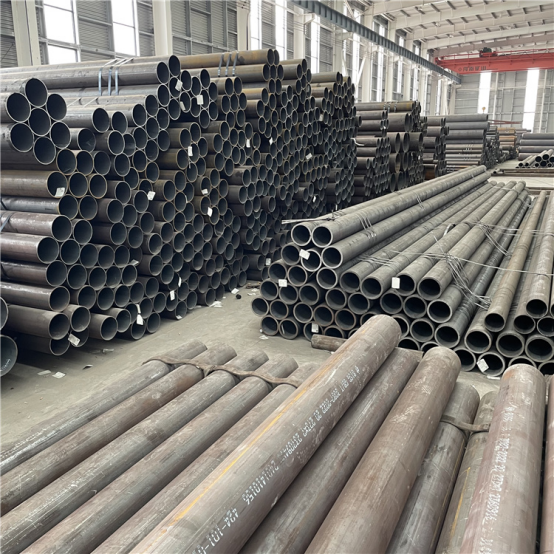
Carbon steel pipes are essential components in various industries, known for their strength, durability, and versatility. Jindalai Steel Group Co., Ltd. specializes in manufacturing high-quality carbon steel pipes, including seamless pipes, carbon structural pipes, and high carbon steel pipes. Among the different types, carbon steel seamless pipes are particularly valued for their uniformity and resistance to pressure. Understanding the production processes and classifications of these pipes is crucial for selecting the right type for specific applications.
Production Processes: Seamless vs. Welded Pipes
Carbon steel pipes can be categorized into two main types based on their production process: seamless pipes and welded pipes. Seamless pipes are formed by extruding a solid round steel billet, resulting in a pipe without any seams or welds. This manufacturing method enhances the pipe’s strength and makes it suitable for high-pressure applications. In contrast, welded pipes are created by rolling steel plates and welding the edges together. While welded pipes are generally more cost-effective, they may not perform as well under extreme conditions compared to seamless pipes. Understanding these differences is essential for making informed decisions in pipe selection.
Manufacturing Methods for Welded Carbon Steel Pipes
Welded carbon steel pipes are produced using various methods, including straight seam resistance welding (ERW), spiral welding, and furnace welding. ERW pipes are made by heating the edges of the steel and pressing them together, resulting in a strong bond. Spiral welding involves winding a flat steel strip into a spiral shape and welding the edges, which allows for the production of larger diameter pipes. Furnace welding, on the other hand, uses heat to join the edges of the steel without filler material. Each welding process has its advantages and is suited for different applications, influencing the pipe’s strength, flexibility, and cost.
Types of Carbon Steel Pipes by Use
Carbon steel pipes are classified based on their applications, which include structural, mechanical, and fluid transport uses. Structural pipes are commonly used in construction and infrastructure projects, while mechanical pipes are utilized in machinery and equipment. Fluid transport pipes are designed for carrying liquids and gases, making them essential in industries such as oil and gas, water supply, and chemical processing. Understanding the intended use of the pipe is critical for selecting the appropriate type and grade.
Selecting the Right Carbon Steel Pipe Grade
When choosing a carbon steel pipe, it is vital to consider the specific usage scenario. Factors such as pressure, temperature, and the nature of the transported material play a significant role in determining the appropriate grade. For instance, high carbon steel pipes are ideal for applications requiring enhanced strength and wear resistance, while No. 20 carbon steel pipes are suitable for general-purpose use. Consulting with experts at Jindalai Steel Group Co., Ltd. can provide valuable insights into selecting the right carbon steel pipe grade, ensuring optimal performance and longevity in your projects.
In conclusion, understanding the various types and manufacturing processes of carbon steel pipes is essential for making informed decisions in industrial applications. Jindalai Steel Group Co., Ltd. offers a wide range of carbon steel pipes, including seamless and welded options, tailored to meet the diverse needs of various industries.
Post time: Mar-18-2026


