

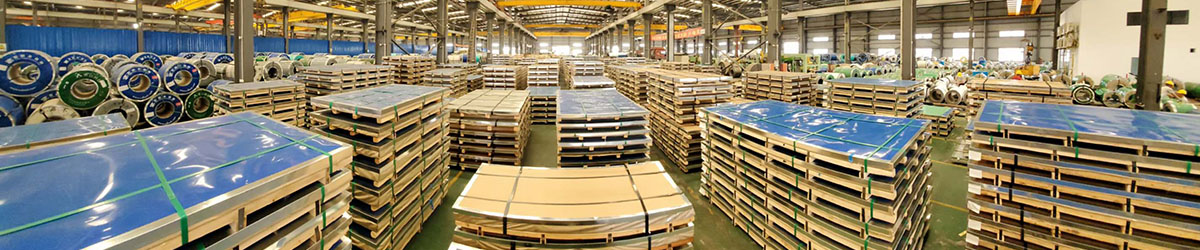
When it comes to construction and manufacturing, carbon steel plates and coils are the unsung heroes that hold everything together. At Jindalai Steel Group Company, we pride ourselves on providing top-notch carbon steel products, including carbon steel plates and carbon steel coils. But what makes these products so special? Let’s dive into the nitty-gritty of carbon steel, from its types to its market dynamics, and have a little fun along the way!
The Carbon Content Chronicles: Low, Medium, and High
First off, let’s talk about carbon content. Carbon steel can be categorized into three main types: low carbon steel (mild steel), medium carbon steel, and high carbon steel. Each type has its own unique performance characteristics and applications. Low carbon steel is like the friendly neighbor who helps you move; it’s easy to work with and great for general use. Medium carbon steel, on the other hand, is the reliable friend who can lift heavy boxes but might need a little more care. Finally, high carbon steel is the tough guy in the group, perfect for applications that require strength and durability, like making knives or springs. So, whether you’re building a fence or a fighter jet, there’s a carbon steel plate for you!
Yield Strength: The Strength Behind the Grades
Now, let’s get into the nitty-gritty of yield strength. You might have heard of grades like Q195, Q235, and Q345, but what do they really mean? Think of yield strength as the point at which your carbon steel plate decides it’s had enough and starts to deform. Q195 has a lower yield strength, making it suitable for lighter applications, while Q235 is the middle child, balancing strength and ductility. Q345, however, is the heavyweight champion, boasting high yield strength for those demanding jobs. Understanding these grades can help you choose the right carbon steel plate for your project, ensuring you don’t end up with a flimsy fence when you really need a fortress!
Surface Treatments: The Makeover Your Steel Deserves
Let’s face it, even carbon steel plates need a little pampering sometimes. That’s where surface treatments come in! Common treatments like pickling, oiling, galvanizing, and painting solve a variety of problems. Pickling removes rust and scale, giving your steel a fresh start. Oiling provides a protective layer to prevent corrosion, while galvanizing adds a zinc coating for extra durability. And if you want to add a splash of color, painting is the way to go! These treatments not only enhance the appearance of your carbon steel but also extend its lifespan, making it a win-win situation.
Market Price Factors: What Makes Your Steel Costly?
Now, let’s talk dollars and cents. What are the main factors affecting the market price of carbon steel plates? First up, supply and demand—if everyone and their grandma wants carbon steel, prices are going to skyrocket! Next, raw material costs play a significant role; if iron ore prices go up, so do your steel plates. Don’t forget about production costs, including labor and energy, which can also impact pricing. Lastly, global economic conditions can create fluctuations in the market, so keep an eye on those international trade agreements! Understanding these factors can help you make informed purchasing decisions and avoid any nasty surprises.
Conclusion: Carbon Steel Plates for Every Need
In conclusion, carbon steel plates and coils are essential components in the construction and manufacturing industries. With various types based on carbon content, yield strength grades, surface treatment options, and market price factors, there’s a lot to consider when choosing the right product. At Jindalai Steel Group Company, we’re here to help you navigate the world of carbon steel, ensuring you find the perfect solution for your needs. So, whether you’re building a skyscraper or a backyard shed, remember that carbon steel plates are the backbone of your project!
Post time: Jan-21-2026


