

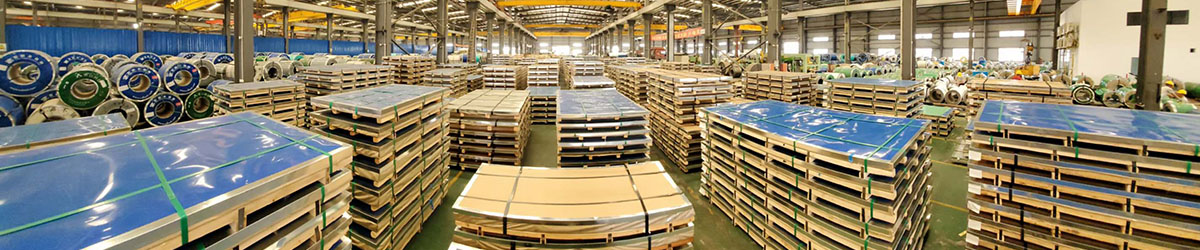
The Journey from Molten Steel to Carbon Steel Plates
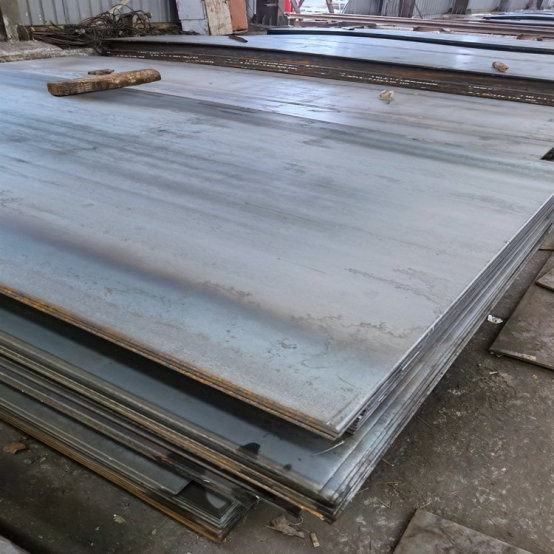
Carbon steel plates, including low carbon steel plates, medium carbon steel plates, and high carbon steel plates, undergo a meticulous transformation from molten steel to finished products. The process begins with the melting of iron ore in a blast furnace, where impurities are removed to create molten steel. This molten steel is then poured into molds to form slabs. Once cooled, these slabs are reheated and passed through a series of rollers in a process known as hot rolling, which shapes them into plates of desired thickness. Jindalai Steel Group Company specializes in producing high-quality carbon steel plates, ensuring that each step in this process meets stringent industry standards.
Heat Treatment: Altering Properties of Carbon Steel Plates
The properties of carbon steel plates can be significantly altered through various heat treatment processes, such as normalizing, annealing, and quenching and tempering. Normalizing involves heating the steel to a specific temperature and then allowing it to cool in air, which refines the grain structure and enhances toughness. Annealing, on the other hand, involves heating the steel and then slowly cooling it, which relieves internal stresses and improves ductility. Quenching and tempering combine rapid cooling with reheating to achieve a balance of hardness and toughness. Each of these treatments is crucial for tailoring the mechanical properties of carbon steel plates to meet specific application requirements.
Strict Standards for Pressure Vessels and Boilers
Pressure vessels and boilers are critical components in various industries, and they have strict requirements for specific grades of carbon steel plates, such as Q245R and Q345R. These grades are designed to withstand high pressure and temperature conditions, ensuring safety and reliability. The chemical composition and mechanical properties of these grades are meticulously defined to prevent failures that could lead to catastrophic incidents. Jindalai Steel Group Company adheres to these stringent standards, providing carbon steel plates that meet the rigorous demands of pressure vessel and boiler applications.
Market Dynamics: Factors Influencing Carbon Steel Plate Prices
The price of carbon steel plates is influenced by several key factors, including raw material costs, production methods, and market demand. Fluctuations in the prices of iron ore and scrap metal can directly impact the cost of producing carbon steel plates. Additionally, changes in energy prices and labor costs can also affect production expenses. Market demand plays a crucial role; during periods of high demand, prices may rise due to limited supply. Jindalai Steel Group Company remains attuned to these market dynamics, allowing them to offer competitive pricing while maintaining high-quality standards.
Conclusion: The Importance of Quality in Carbon Steel Plates
In conclusion, carbon steel plates are essential materials in various industries, and understanding their production, heat treatment, and market dynamics is vital for making informed purchasing decisions. Jindalai Steel Group Company is committed to delivering high-quality carbon steel plates that meet the specific needs of their clients, whether they require low, medium, or high carbon steel plates. By focusing on quality and adhering to industry standards, they ensure that their products not only meet but exceed customer expectations, solidifying their reputation in the market.
Post time: Feb-18-2026


