

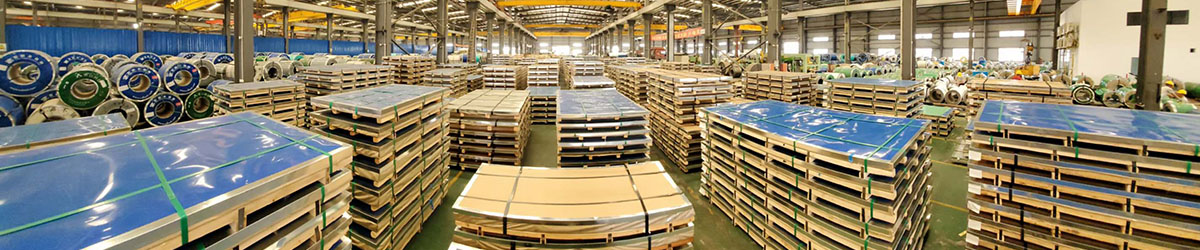
Introduction to Carbon Steel Strip
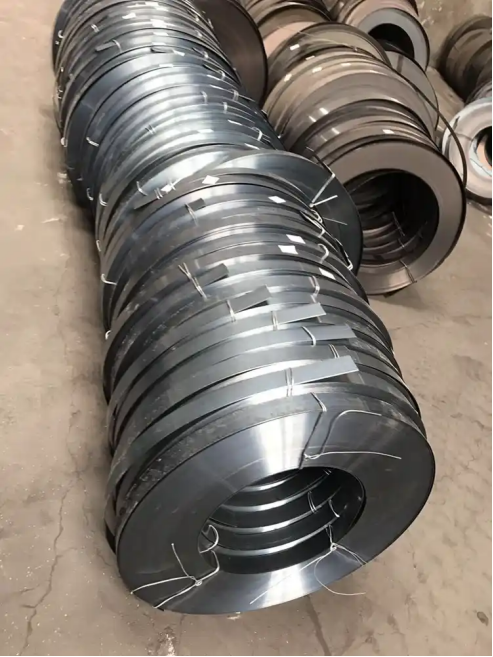
Carbon steel strip is a versatile material widely used in various industries due to its unique properties and adaptability. Jindalai Steel Group Co., Ltd. specializes in producing high-quality carbon steel strips, including cold-rolled and hot-rolled variants. The performance of these steel strips is significantly influenced by their carbon content, which can be categorized into low-carbon, medium-carbon, and high-carbon steel strips. Each category exhibits distinct characteristics and applications, making it essential for end users to understand their specific requirements when selecting the appropriate type.
The Role of Carbon Content
The carbon content in carbon steel strip plays a crucial role in determining its mechanical properties. Low-carbon steel strips, typically containing less than 0.3% carbon, are known for their excellent formability and weldability, making them ideal for applications such as automotive body panels and structural components. Medium-carbon steel strips, with carbon content ranging from 0.3% to 0.6%, offer a balance between strength and ductility, making them suitable for manufacturing gears and axles. High-carbon steel strips, containing more than 0.6% carbon, exhibit superior hardness and strength, making them perfect for cutting tools and springs. Understanding these distinctions allows manufacturers to choose the right steel strip for their specific applications.
Influence of Alloying Elements
Beyond carbon, several key elements such as manganese, silicon, phosphorus, and sulfur significantly affect the properties of carbon steel strip. Manganese enhances strength and toughness, while silicon improves the steel’s resistance to oxidation and increases its strength. Phosphorus, although beneficial in small amounts, can lead to brittleness if present in excess. Sulfur, on the other hand, can improve machinability but may compromise ductility. By carefully controlling the composition of these elements, manufacturers can tailor the properties of carbon steel strips to meet specific performance requirements, such as strength, toughness, and weldability.
Surface Treatments for Enhanced Performance
To expand the application boundaries of carbon steel strips, various surface treatments are employed. Hot-dip galvanizing and electro-galvanizing are common methods used to enhance corrosion resistance, making the steel strips suitable for outdoor applications. Color coating not only provides aesthetic appeal but also adds an extra layer of protection against environmental factors. Pickling, a process that removes impurities, improves the surface quality of the steel strip, ensuring better adhesion for subsequent coatings. These treatments not only enhance the durability of carbon steel strips but also broaden their usability across different industries.
Selecting the Right Steel Strip
When selecting the appropriate carbon steel strip type and grade, end users must consider several factors, including strength, formability, corrosion resistance, and cost. For applications requiring high strength and wear resistance, high-carbon steel strips are ideal. Conversely, low-carbon steel strips are preferred for projects demanding excellent formability and weldability. Additionally, the choice of surface treatment can significantly impact the performance and longevity of the final product. By understanding these factors, manufacturers can make informed decisions that align with their production needs and budget constraints.
In conclusion, carbon steel strips are essential materials in various industries, and understanding their properties, treatments, and selection criteria is vital for achieving optimal performance in final products. Jindalai Steel Group Co., Ltd. is committed to providing high-quality carbon steel strips tailored to meet the diverse needs of its customers.
Post time: Feb-17-2026


