

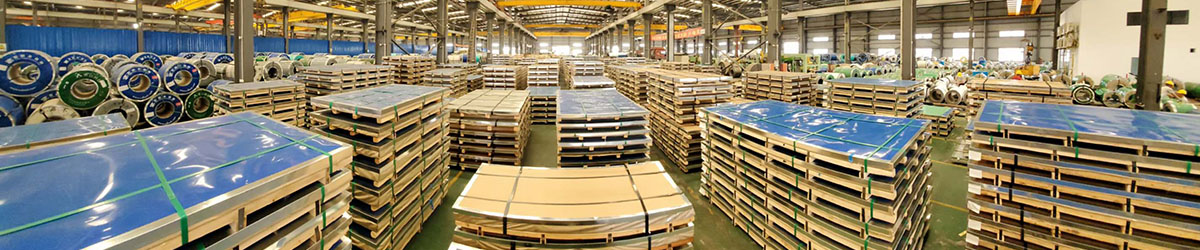
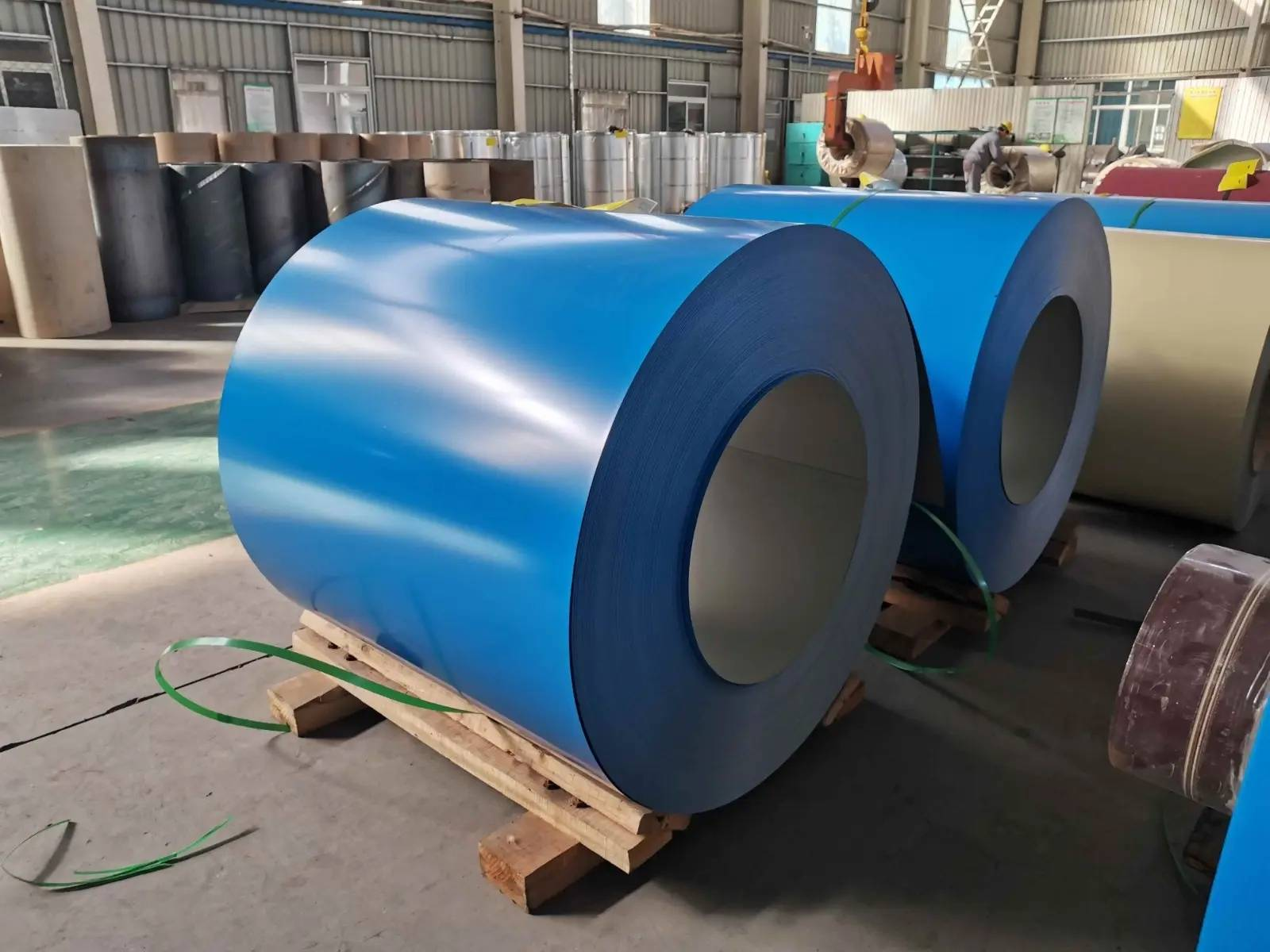
PPGI stands for pre-coated galvanized steel or color-coated galvanized coil/sheet. It is a composite material made by surface chemical pretreatment, coating with organic paint, and baking curing on galvanized steel sheet.
PPGL stands for pre-coated aluminized zinc steel or color-coated aluminized zinc sheet/coil. It is a high-performance composite material made by surface pretreatment, coating with organic paint, and baking curing on aluminized zinc steel sheet (Galvalume, GL).
Hot-dip galvanizing (GI) and aluminized zinc (GL) differ significantly in their corrosion resistance and heat resistance. Generally speaking, aluminized zinc has far superior corrosion resistance and heat resistance compared to hot-dip galvanizing in most environments, but the two have different strengths in specific environments (such as strong alkalinity) and protective mechanisms.
Corrosion resistance comparison
| Comparison Dimensions | Hot-dip galvanizing (GI) | Aluminized zinc (GL) |
| Aluminized zinc (GL) | Sacrificial anode protection: The zinc layer protects the steel substrate by sacrificing itself. | Dual protection: Aluminum forms a dense oxide film barrier, while zinc provides cathodic protection. |
| Salt spray test life | 500 – 1000 hours | 2000-3000 hours, which is 2-6 times that of hot-dip galvanizing. |
| Conventional environmental lifespan | 5-10 years | 15-30 years, which is 2-6 times longer than hot-dip galvanizing. |
| Edge corrosion rate | In a C4 corrosive environment, the edge corrosion rate is approximately 1.2 mm/year. | In a C4 corrosive environment, the edge corrosion rate is only 0.3 mm/year, which is even better. |
| Environmental adaptability | It performs better in strongly alkaline environments. | It exhibits excellent performance in environments such as industrial atmosphere (SO₂), high humidity, and high salt spray. |
Comparison of heat resistance
| Comparison Dimensions | Hot-dip galvanizing (GI) | Aluminized zinc (GL) |
| Long-term heat resistance limit | Approximately 200℃ | It can withstand temperatures up to approximately 315℃ and will not discolor or deform over a long period of time. |
| thermal reflectivity | Approximately 40-50% | Approximately 75-85%, nearly twice that of hot-dip galvanizing, which contributes to building insulation. |
Despite their protective coatings, both polycarbonate coated steel sheets (PPGI) and polycarbonate coated steel sheets (PPGL) can experience issues such as coating peeling and rusting.
Coating peeling can be caused by a variety of factors, including improper surface preparation, insufficient coating application, or exposure to extreme environmental conditions. To prevent peeling, ensure the steel surface is clean and free of contaminants before coating. Furthermore, following the manufacturer’s application and curing guidelines helps maintain coating integrity.
Rust is a common problem with all steel products, even those with protective coatings. While polycarbonate coated steel sheets (PPGI) and galvanized steel sheets (PPGL) are designed to resist rust, prolonged exposure to moisture or corrosive substances can still lead to corrosion. Regular maintenance, including cleaning and inspection, helps detect and address any potential rust problems before they become severe.
The RAL color, coating thickness, and plating parameters of PPGI/PPGL color-coated steel sheets are confirmed primarily through three methods: visual comparison, instrumental measurement, and laboratory chemical analysis, in accordance with relevant international or national standards.
RAL colors are defined according to the internationally recognized RAL color chart standard from Germany. Color accuracy is primarily confirmed through the following methods: Visual comparison (preliminary judgment): Under standard light (e.g., D65), compare the product sample with the official RAL color chart. In practice, the color chart is often flipped around to compare adjacent colors to find the closest match.
Note: Different RAL color chart series (e.g., Classic series, Design system) have independent colors that cannot be converted to each other. The RAL K7 series color chart is most commonly used in the industrial coatings field.
Production Stage: Sample signing and sealing are mandatory: After confirming the color number, the supplier must produce a first color sample based on the target material and process. Both parties must sign and seal the sample as the final acceptance basis.
Avoid pitfalls: Online electronic color charts and RGB conversion tables are for design reference only and cannot be used as production acceptance standards. The visual effect of the same RAL color number will differ under different materials and different spraying processes.
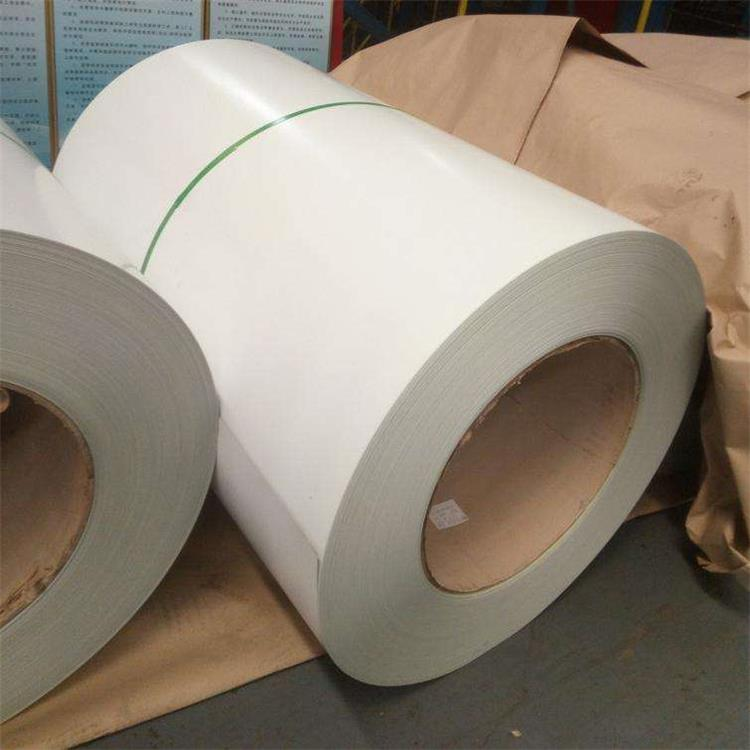
Coating thickness refers to the thickness of the paint layer applied to the surface of a steel plate, measured in micrometers (μm). The main testing methods are as follows:
Magnetic Thickness Measurement (Non-destructive, preferred): This method uses electromagnetic principles to measure the thickness of non-magnetic coatings on magnetic substrates. It is suitable for color-coated steel sheets made from cold-rolled and electro-galvanized substrates, offering high accuracy. Standards: GB/T 13448, ISO 2178, etc.
Eddy Current Thickness Measurement (Non-destructive): This method is suitable for measuring the coating thickness on non-magnetic metal substrates (such as galvanized steel sheets). Standards: GB/T 4957, ISO 2360, etc.
Micrometer Method (Destructive): This method calculates the thickness by measuring the difference in thickness at the same point before and after coating removal. Standard: GB/T 13448.
Key Points for Coating Parameter Confirmation: Coating parameters need to clearly define three core dimensions: material, weight, and corrosion resistance level.
Material Confirmation: Clearly specify the coating type during procurement, such as hot-dip galvanizing, aluminized zinc, zinc-aluminum-magnesium, etc. Different materials have significantly different corrosion resistance. For corrosive coastal environments, aluminized zinc coatings with AZ150 or higher are preferred.
Quantitative Standards: Measurable parameters must be agreed upon. For example, hot-dip galvanized cable trays require the zinc layer quality to meet corresponding national standards, and the coating thickness of accessories should not be less than 15μm.
Acceptance Verification: If there is a dispute between the supplier and the buyer regarding the test results, priority should be given to selecting a report issued by a third-party testing institution with CNAS/CMA accreditation, as the data has legal validity.
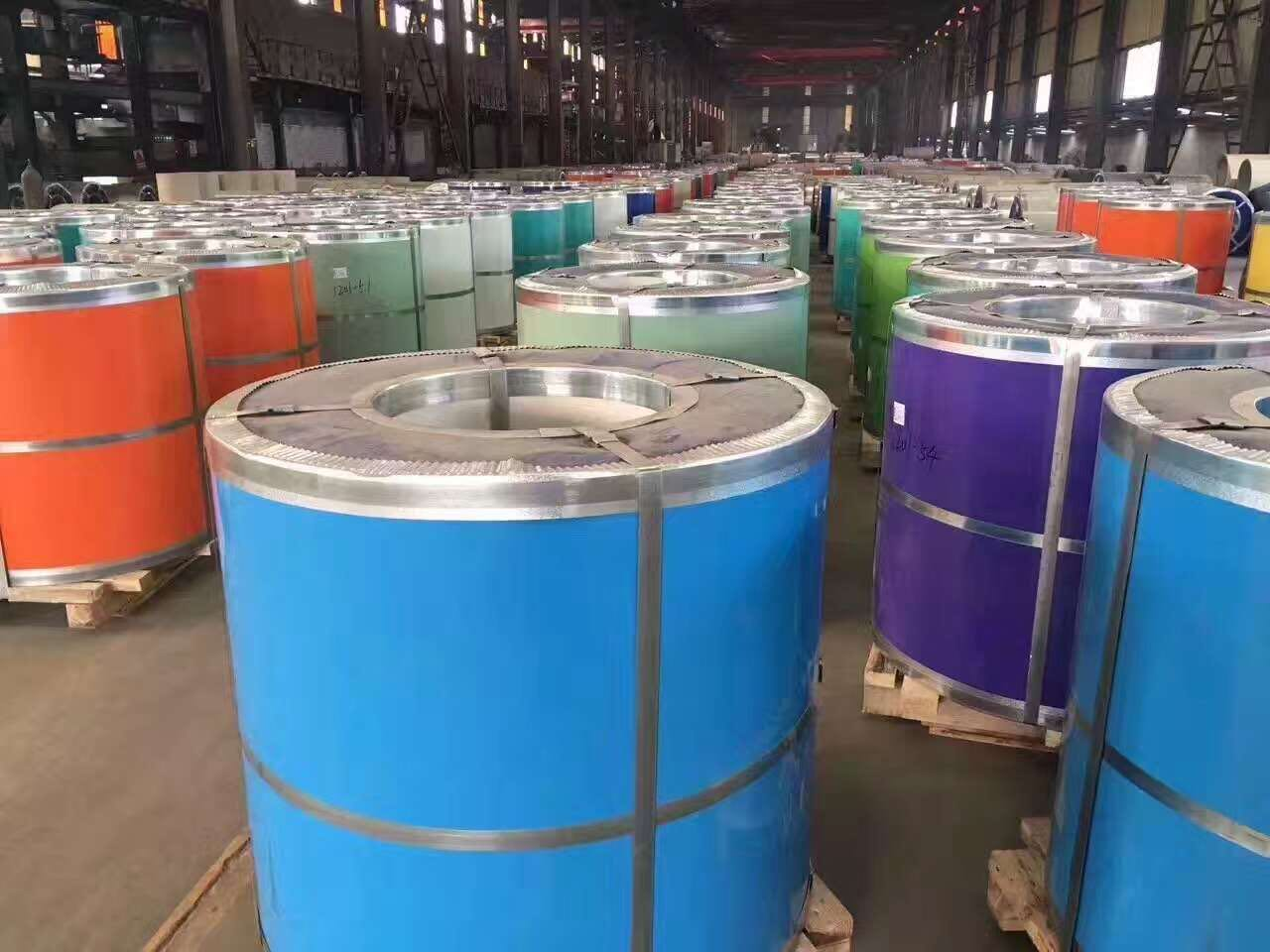
Color-coated galvanized coils and color-coated aluminized zinc coils each have their specific application areas:
Color-coated galvanized coils: Commonly used for roofing, exterior cladding, and interior finishing of residential and commercial buildings. Their aesthetic appeal and cost-effectiveness make them a popular choice for construction projects.
Color-coated aluminized zinc coils: Ideal for applications requiring high heat resistance, such as industrial roofing and automotive parts. Their excellent corrosion resistance also makes them suitable for harsh environments.
Color-coated galvanized coils and color-coated aluminized zinc coils are indispensable materials in the steel industry, each offering unique advantages for different applications. We can supply high-quality color-coated galvanized coils and color-coated aluminized zinc coils to meet the needs of modern construction and manufacturing. Understanding the differences between these materials, their protective coatings, and how to confirm their specifications will help you make informed decisions for your projects. Whether you choose color-coated galvanized coils for aesthetic reasons or color-coated aluminized zinc coils for superior performance, both materials ensure the durability and reliability of your applications.
Post time: Sep-23-2026


