

Introduction to Ductile Iron Pipes
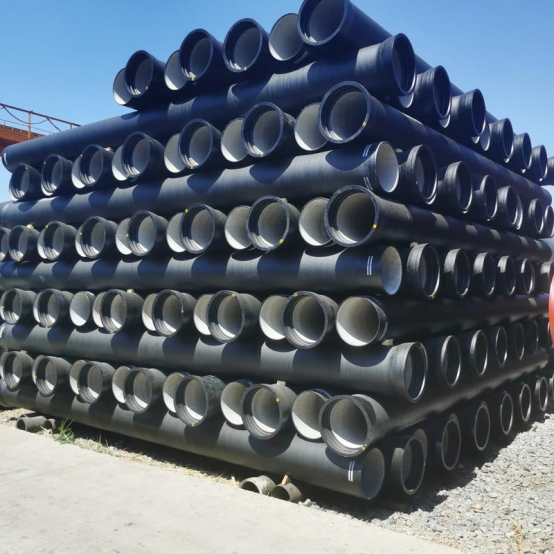
Ductile iron pipes have emerged as a preferred choice in the construction and infrastructure sectors, thanks to their exceptional mechanical properties and unique advantages. Unlike traditional cast iron pipes, ductile iron pipes offer enhanced flexibility, making them resistant to vibrations and capable of reducing noise levels in water distribution systems. This is particularly beneficial in urban environments where noise pollution is a concern. Additionally, ductile cast iron pipes exhibit superior wear resistance, ensuring longevity and reliability in various applications, from water supply to sewage systems.
Mainstream Joint Types for Ductile Iron Pipes
When it comes to the installation of ductile iron pipes, the choice of joint type plays a crucial role in determining the overall efficiency of the project. The most common joint types include T-type slip-in, K-type mechanical, and flange type joints. Among these, the K-type mechanical joint stands out for its construction speed and sealing reliability. This joint type allows for quick assembly and disassembly, making it ideal for projects that require adaptability to foundation deformation. The flange type joint, while robust, may not offer the same level of flexibility, making the K-type a more favorable option for modern infrastructure needs.
Corrosion Protection: The Lifeline of Ductile Iron Pipes
Corrosion protection is paramount for the longevity of ductile iron pipes, often referred to as their “lifeline.” The standard inner lining options, such as cement mortar and epoxy ceramic, work synergistically with outer coating systems like zinc + asphalt and polyurethane. The inner linings provide a smooth surface that minimizes friction and enhances flow, while the outer coatings protect against environmental factors that can lead to corrosion. This dual-layer approach ensures that ductile iron pipes maintain their structural integrity and performance over time, making them a reliable choice for water and wastewater applications.
Essential Specifications for Installation
Proper installation of ductile iron pipes is critical to their performance and longevity. Essential specifications include adhering to trench foundation requirements, ensuring that the trench is wide enough to accommodate the pipe and its bedding material. Backfilling requirements must also be met to prevent settling and shifting, which can compromise the pipe’s integrity. Additionally, pressure testing is a vital step to ensure that the system is leak-free and capable of withstanding operational pressures. Following these specifications not only enhances the durability of the ductile iron pipes but also ensures compliance with industry standards.
Conclusion: The Future of Ductile Iron Pipes
In conclusion, ductile iron pipes represent a significant advancement over traditional cast iron pipes, offering unique advantages in vibration reduction, noise reduction, and wear resistance. With a variety of joint types available, such as the K-type mechanical joint, and robust corrosion protection systems, ductile iron pipes are well-equipped to meet the demands of modern infrastructure. By adhering to essential installation specifications, construction professionals can ensure the longevity and reliability of these pipes, making them a smart investment for any project. Jindalai Steel Group Co., Ltd. is proud to be at the forefront of this innovative technology, providing high-quality ductile iron pipes that meet the needs of today and tomorrow.
Post time: Feb-20-2026


