

Introduction to Galvanized Steel Wire
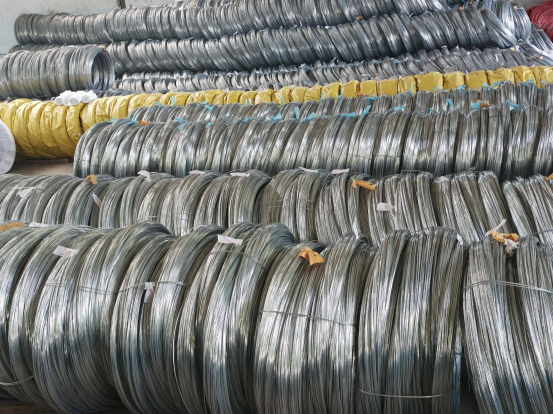
Galvanized steel wire, including hot-dip galvanized steel wire and cold-dip galvanized steel wire, is a versatile material widely used in various industries. Jindalai Steel Group Co., Ltd. specializes in producing high-quality galvanized low-carbon steel wire, hot-dip galvanized iron wire, and other galvanized wire products. Galvanization involves coating steel with a layer of zinc to enhance its corrosion resistance, making it suitable for outdoor applications and environments prone to moisture. This process significantly improves the longevity and durability of the wire compared to ordinary black iron wire and stainless steel wire.
Material Properties: Galvanized vs. Black Iron and Stainless Steel Wire
The essential differences between galvanized steel wire and ordinary black iron wire lie in their material properties. Black iron wire is prone to rust and corrosion, limiting its applications primarily to indoor use or environments with low moisture. In contrast, galvanized steel wire, thanks to its zinc coating, offers superior corrosion resistance, making it ideal for outdoor applications such as fencing, construction, and agricultural uses. Stainless steel wire, while also resistant to corrosion, is generally more expensive and may not be necessary for applications where galvanized wire suffices. Thus, galvanized wire strikes a balance between cost-effectiveness and durability.
Performance Differences in Carbon Content
When discussing galvanized wire, it is crucial to consider the differences in performance and applications between low-carbon, medium-carbon, and high-carbon galvanized wire. Low-carbon galvanized wire is known for its excellent ductility and flexibility, making it suitable for applications like binding and fencing. Medium-carbon galvanized wire offers a balance of strength and ductility, making it ideal for applications requiring moderate tensile strength, such as in construction and automotive industries. High-carbon galvanized wire, on the other hand, is characterized by its high tensile strength, making it suitable for applications that demand rigidity and durability, such as in the manufacturing of springs and wire ropes.
The Drawing Process: Achieving Diameter Reduction and Strengthening
The drawing process is a critical step in the production of galvanized steel wire, where the wire is pulled through a series of dies to achieve a desired diameter reduction and increased strength. This process not only reduces the wire’s diameter but also enhances its mechanical properties through work hardening. The compression ratio of each drawing pass is determined based on the material’s characteristics and the desired final properties of the wire. A carefully calculated compression ratio ensures that the wire maintains its integrity while achieving the necessary strength and flexibility for its intended application.
Conclusion: The Versatility of Galvanized Wire
In conclusion, galvanized steel wire, including its various forms such as hot-dip galvanized steel wire and galvanized low-carbon steel wire, offers a range of benefits that make it a preferred choice in many industries. Jindalai Steel Group Co., Ltd. is committed to providing high-quality galvanized wire products that meet the diverse needs of our customers. Understanding the differences in material properties, performance based on carbon content, and the drawing process can help businesses make informed decisions when selecting the right type of wire for their specific applications. With its exceptional durability and corrosion resistance, galvanized wire remains an essential material in modern construction and manufacturing.
Post time: Mar-14-2026


