

Introduction to Galvanized Steel Wire
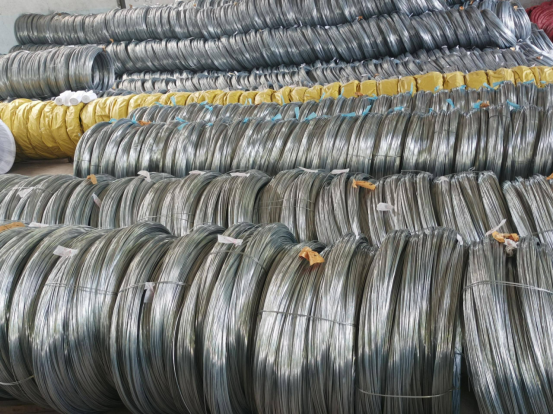
Hot-dip galvanized steel wire, cold-dip galvanized steel wire, electro-galvanized steel wire, and hot-dip galvanized low-carbon steel wire are essential materials in various industries, known for their corrosion resistance and durability. Jindalai Steel Group Co., Ltd. specializes in producing high-quality galvanized steel wire, catering to diverse applications. Understanding the common base materials for galvanized steel wire and how they affect the final strength and application is crucial for selecting the right product for your needs.
Base Materials and Their Impact
The most common base materials for galvanized steel wire include low-carbon steel, medium-carbon steel, and high-carbon steel. Low-carbon steel is often preferred for hot-dip galvanizing due to its excellent ductility and weldability, making it suitable for applications requiring flexibility and strength. In contrast, medium and high-carbon steels offer increased tensile strength, making them ideal for applications that demand higher load-bearing capabilities. The choice of base material significantly influences the wire’s final mechanical properties, including tensile strength, torsion, and bending capabilities, ultimately determining its suitability for specific applications.
Drawing Before Plating vs. Plating Before Drawing
The processes of “drawing before plating” and “plating before drawing” each have their advantages and disadvantages. Drawing before plating allows for a smoother surface finish and better adhesion of the zinc coating, enhancing corrosion resistance. However, this method may lead to a reduction in the wire’s overall strength due to the cold working involved. Conversely, plating before drawing can maintain the wire’s original strength but may result in a less uniform coating, potentially compromising corrosion resistance. The choice between these processes depends on the performance requirements of the final product, with each method tailored to specific applications.
Mechanical Properties Post-Galvanization
Galvanizing steel wire can lead to significant changes in its mechanical properties. Before galvanization, the wire typically exhibits higher tensile strength, torsion, and bending capabilities. However, the galvanization process can alter these properties due to the heat and chemical reactions involved. For instance, hot-dip galvanizing can increase the wire’s ductility, while cold-dip galvanizing may maintain its original strength. Jindalai Steel Group Co., Ltd. employs strict quality control measures during the galvanization process to ensure that the desired mechanical properties are achieved, allowing for consistent performance across various applications.
Conclusion: Choosing the Right Galvanized Steel Wire
In conclusion, understanding the differences between hot-dip galvanized steel wire, cold-dip galvanized steel wire, electro-galvanized steel wire, and hot-dip galvanized low-carbon steel wire is essential for making informed decisions in material selection. The base materials, processing methods, and resulting mechanical properties all play a critical role in determining the suitability of galvanized steel wire for specific applications. Jindalai Steel Group Co., Ltd. is committed to providing high-quality galvanized steel wire products that meet the diverse needs of our customers, ensuring durability and performance in every application.
Post time: Feb-23-2026


