

Welcome to the world of steel! Here, the right choices determine the success or failure of your construction projects! At Jindalai Steel Group Co., Ltd., we understand that choosing the right steel reinforcement is as important as selecting pizza toppings. Therefore, let us delve into every aspect of steel reinforcement to help you make the best choices for earthquake-resistant building applications.
First, let’s talk about the heavyweight champions of the steel industry: HRB400 and HRB400E rebar. If you’re building a house in an earthquake-prone area, you might struggle with which type to choose. Think of HRB400E as an upgraded version of HRB400. It’s designed to better withstand seismic forces, making it the preferred choice for earthquake-resistant buildings. So, if you want your building to remain balanced during an earthquake instead of collapsing like a cookie, HRB400E is your best option!
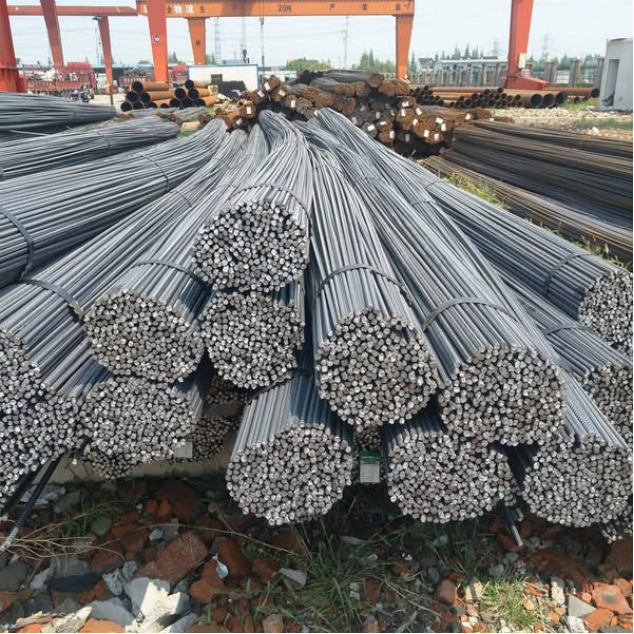
Now, let’s discuss the long-standing debate: which is better, threaded steel bars or regular round steel bars? If you need to reinforce beams, slabs, and columns, threaded steel bars are like the Swiss Army knife of the steel world—versatile and always ready to go! They offer excellent grip and are easy to adjust, making them ideal for complex designs. Regular round steel bars, on the other hand, are the reliable “mainstay.” They are perfect for simple applications that don’t require additional features. Therefore, choose carefully based on your project needs!
Next, let’s compare small-diameter (≤12mm) and large-diameter (≥25mm) steel bars. Small-diameter steel bars are like small locomotives—powerful and well-suited for delicate work and confined spaces. For example, they are ideal for structures requiring flexibility, such as floor slabs and walls. Large-diameter steel bars, on the other hand, are the power source of the project, ideal for heavy-duty applications like columns and beams that need to withstand enormous loads. Therefore, choose according to the scale of your project!
Now, let’s talk about the difference between coiled and straight steel. If convenience and ease of transport are your priorities, then coiled steel is the best choice. They’re like the yoga mat of the steel world—flexible, easy to handle, and easy to move. However, if precision is your priority, then straight steel is the ideal option. They’re perfect for projects requiring precise measurements and cutting. So, carefully consider your construction needs and choose the one that best suits you!
In bridge engineering, choosing between conventional and prestressed steel reinforcement is like choosing between a classic car and a sports car. Conventional steel reinforcement is reliable and durable, capable of performing basic tasks, but prestressed steel reinforcement is designed for high performance. It can withstand greater stress and is ideal for long-span bridges. If you want your bridge to last, choose prestressed steel reinforcement!
Finally, if you’re working in a wet environment, you might be torn between using regular rebar and corrosion-resistant rebar such as galvanized or plastic-coated rebar. Think of it this way: if you wouldn’t wear a cotton T-shirt in a downpour, then don’t use regular rebar in a wet environment either! Corrosion-resistant rebar protects your building from rust and decay, ensuring it remains strong and durable for years to come.
In short, choosing the right steel reinforcement is crucial to the success of your construction project. Whether you’re looking for earthquake-resistant reinforcement, hesitating between threaded and regular steel bars, or considering the best choice for your construction environment, Jindalai Steel Group Co., Ltd. can meet your needs. So make the right choice today and make your construction project more stable!
Post time: Dec-08-2025


