

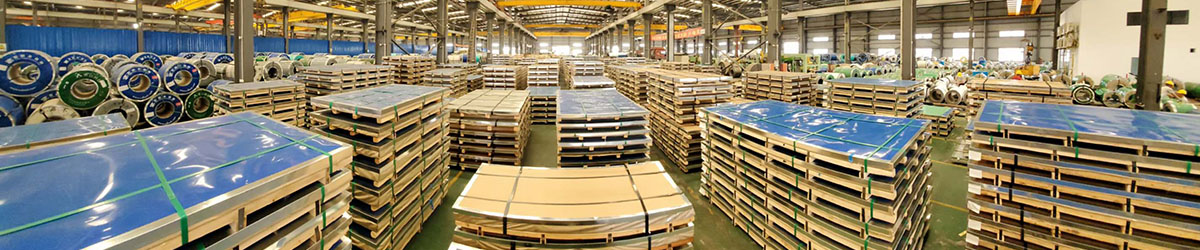
Stainless steel is a versatile and high-performance material, renowned for its corrosion resistance, strength, and aesthetic appeal. It is an alloy primarily composed of iron, chromium, and other elements in varying proportions, which together create its unique properties.
The shape of stainless steel.
Stainless steel comes in various shapes to meet the needs of different industries and applications.
Product forms are mainly divided into five categories: plates, tubes, bars, profiles, and wires.
Plates:
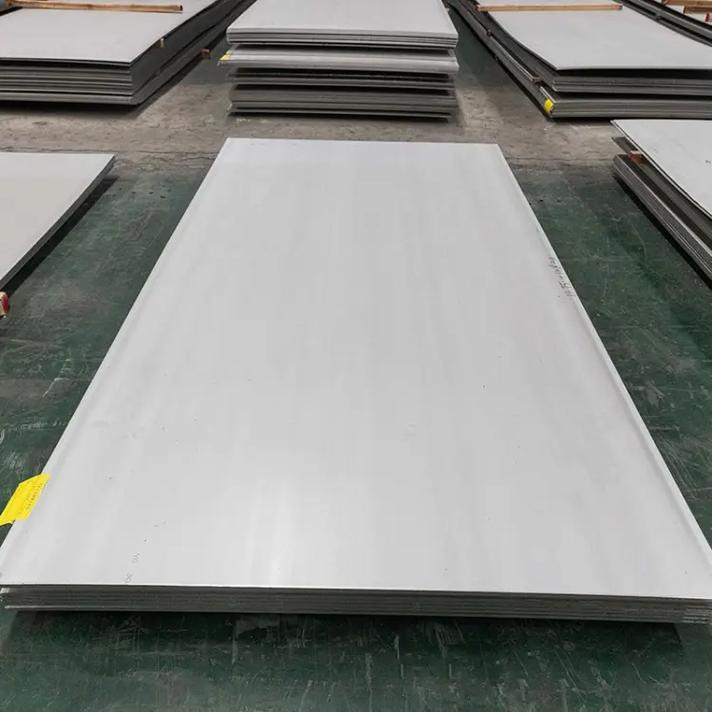
Thin plates have a smooth surface and are typically 0.1mm-6mm thick; commonly used for equipment housings, kitchen countertops, sinks, etc.
Thick plates are thicker, with plates over 16mm usually supplied in single sheets; they have high strength and are mainly used in engineering fields such as building structural supports, load-bearing components, and pressure vessels.
Tubes:
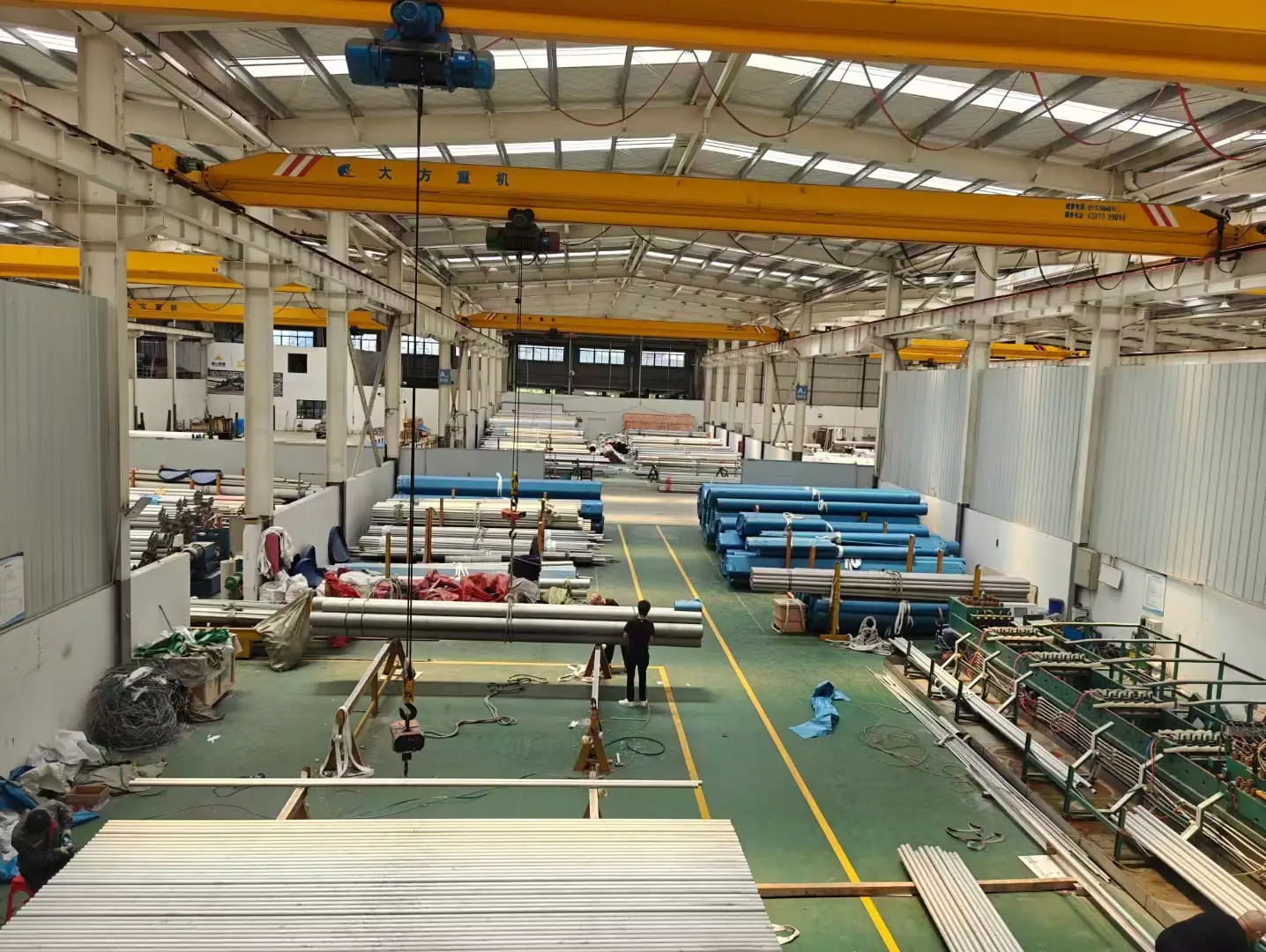
Round tubes are the most common hollow cross-section shape and are the first choice for fluid transport systems, structural frames, building railings, etc.
Shaped tubes: Tubes with non-circular cross-sections, such as square tubes, rectangular tubes, and elliptical tubes; mostly used for decorative structures, mechanical support components, and special industrial frames.
Bars:
Round bars are the basic material for machining and manufacturing precision parts such as shafts, fasteners, and valves.
Flat bars are commonly used as structural components, support frames, and platform walkways in construction and machinery.
Square/hexagonal steel is widely used in standard parts (such as bolts and nuts), tool handles, and machine parts.
Profiles:
Angle steel comes in equal-sided and unequal-sided varieties; it is a core component of steel structure frames, equipment supports, building curtain walls, and industrial shelving.
Channel steel is U-shaped and commonly used in vehicle manufacturing, building structures, and heavy-duty equipment frames.
I-beams/H-beams are key supporting materials in the main structure of buildings, bridges, towers, and other large-scale projects.
T-beams are mainly used for structural reinforcement, architectural decoration, or special mechanical components.
Common Types of Stainless Steel:
Ferritic Stainless Steel: Contains 11%~30% chromium, has a body-centered cubic crystal structure, is magnetic, has good oxidation resistance and high thermal conductivity, and is relatively inexpensive due to its nickel-free content. Common grades: 409, 430, 439, 444, etc.
Martensitic Stainless Steel: A type of stainless steel whose properties can be adjusted through heat treatment (quenching, tempering), achieving high hardness and high strength. Common grades: 403, 410, 414, 416, 420, 440C, etc.
Austenitic Stainless Steel: Refers to stainless steel with an austenitic structure at room temperature. The most widely used type, it is currently the most widely applied stainless steel. It is non-magnetic, possesses high toughness, excellent corrosion resistance, and ease of processing. Common grades: 201, 202, 304, 304L, 316, 316L, etc. Austenitic-ferritic duplex stainless steel: This type of stainless steel has approximately equal proportions of austenitic and ferritic microstructures. With a low carbon content, the chromium content is 18%–28%, and the nickel content is 3%–10%. It exhibits high strength and excellent corrosion resistance, especially against chloride stress corrosion cracking. Common grades include 2205 and 2507.
Precipitation-hardening stainless steel: This is an iron-chromium-nickel alloy. To achieve high strength and high toughness, alkanes (Al), titanium (Ti), niobium (Nb), v, and nitrogen (N) are typically added, forming precipitates during aging heat treatment. Precipitation hardening is achieved by adding elements such as aluminum, copper, and niobium, resulting in extremely high strength while maintaining toughness. Common grades include 17-4 PH and 15-5 PH.
Applications of Stainless Steel:
1. Construction Industry: Stainless steel pipes, doors and windows, decorative materials, etc.
2. Chemical Industry: Manufacturing chemical equipment, pipes, valves, storage tanks, etc.
3. Food Industry: Manufacturing food processing equipment, food containers, kitchen utensils, etc.
4. Energy Industry: Manufacturing nuclear power plant equipment, petrochemical equipment, wind turbine generators, etc.
5. Medical Industry: Manufacturing surgical instruments, medical devices, medical supplies, etc.
6. Transportation Industry: Manufacturing ships, railway vehicles, automobiles, motorcycles, etc.
7. Metallurgical Industry: Manufacturing metallurgical equipment, high-temperature furnaces, metallurgical processing equipment, etc.
If you need to purchase any stainless steel C products, please click to contact us for consultation. Jindalai Steel Group Co., Ltd. will provide you with the most professional answers.
Post time: Jul-10-2026


