

What is a Spring Steel Bar?
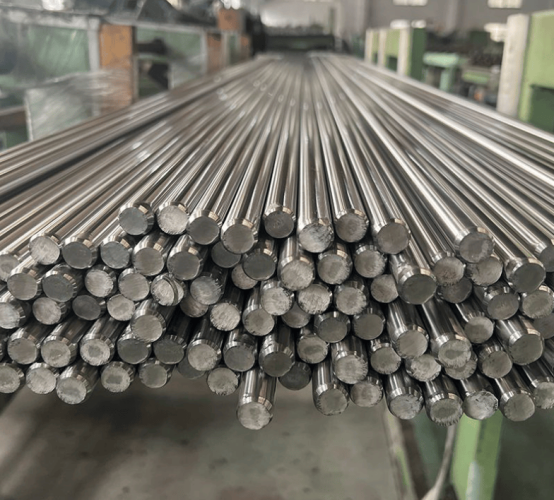
Spring steel bars are specialized steel products designed to withstand significant stress and return to their original shape after deformation. They are primarily used in the manufacturing of springs, which are essential components in various applications, from automotive to industrial machinery. The most common types of spring steel bars include carbon spring steel bars, alloy spring steel bars, cold-drawn spring steel bars, and spring steel round bars. Each type has unique properties that make it suitable for specific applications, and Jindalai Steel Group Co., Ltd. is a leading provider of these high-quality materials.
Differences Between Spring Steel and Ordinary Carbon Structural Steel
The essential differences between spring steel bars and ordinary carbon structural steel, such as Q235, lie in their chemical composition and mechanical properties. Spring steel typically contains higher carbon content, which enhances its hardness and tensile strength. Additionally, alloy spring steel bars may include elements like chromium, vanadium, or manganese, which further improve their performance under stress. In contrast, ordinary carbon structural steel is designed for general use and lacks the specific properties required for spring applications. This distinction is crucial for manufacturers who need reliable materials that can endure repeated loading and unloading cycles.
Metallurgical Quality Requirements for High-Quality Spring Steel Bars
High-quality spring steel bars must meet stringent metallurgical quality requirements to ensure optimal performance. These requirements include uniformity in chemical composition, precise control of microstructure, and the absence of defects such as inclusions or porosity. The heat treatment process is also vital, as it refines the microstructure and enhances the mechanical properties of the steel. Jindalai Steel Group Co., Ltd. adheres to these rigorous standards, ensuring that their spring steel bars are suitable for demanding applications where reliability and durability are paramount.
The Importance of Heat Treatment in Spring Steel
Heat treatment is a critical process for spring steel bars, as it imparts the necessary elastic properties that allow the material to function effectively in spring applications. During heat treatment, the steel is heated to a specific temperature and then cooled at a controlled rate, which alters its microstructure and enhances its hardness and elasticity. Spring steel bars that have not undergone heat treatment may not possess the required resilience and could fail under stress, making them unsuitable for applications where performance is critical. Therefore, manufacturers must prioritize heat-treated spring steel bars to ensure the longevity and reliability of their products.
Factors Affecting the Price of Spring Steel Bars
Several factors influence the price of spring steel bars, including raw material costs, production processes, and market demand. The type of spring steel—whether carbon, alloy, or cold-drawn—also plays a significant role in pricing, as each type has different production costs associated with its unique properties. Additionally, fluctuations in the global steel market can impact prices, as can the availability of high-quality raw materials. Jindalai Steel Group Co., Ltd. remains committed to providing competitive pricing without compromising on quality, ensuring that customers receive the best value for their investment in spring steel bars.
In conclusion, understanding the intricacies of spring steel bars, including their composition, quality requirements, and pricing factors, is essential for manufacturers seeking reliable materials for their applications. Jindalai Steel Group Co., Ltd. stands ready to meet these needs with a comprehensive range of high-quality spring steel products.
Post time: Mar-12-2026


