

Introduction to Stainless Steel Flat Bars
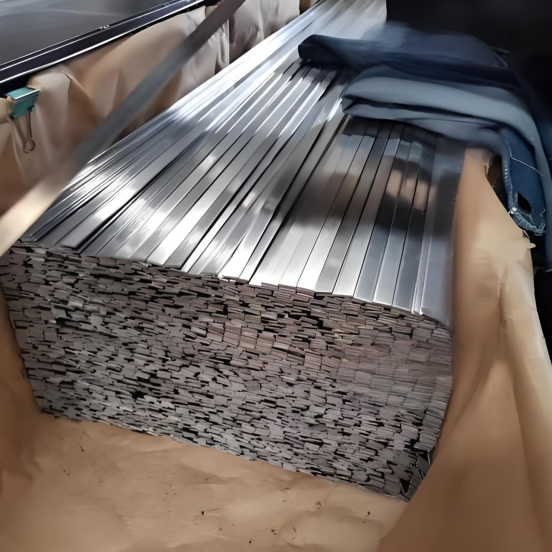
Stainless steel flat bars are essential components in various industries, known for their durability and versatility. At Jindalai Steel Group Co., Ltd., we specialize in providing a range of stainless steel flat bars, including 304 stainless steel flat bars, 316 stainless steel flat bars, and 201 stainless steel flat bars. Each grade offers unique properties that cater to different applications, making it crucial to understand their differences in corrosion resistance, strength, weldability, and cost.
Key Differences Among Stainless Steel Grades
When selecting a stainless steel flat bar, understanding the key differences among grades is vital. The 304 stainless steel flat bar is renowned for its excellent corrosion resistance and weldability, making it a popular choice for general applications. In contrast, the 316 stainless steel flat bar offers superior corrosion resistance, particularly in marine environments, due to the addition of molybdenum. The 201 stainless steel flat bar, while more cost-effective, has lower corrosion resistance and is often used in less demanding applications. Choosing the right grade depends on the specific environmental conditions and mechanical requirements of your project.
Production Processes for Stainless Steel Flat Bars
The production of stainless steel flat bars involves several processes, primarily hot-rolling and cold-drawing (or cold-rolling). Hot-rolled stainless steel flat bars are produced by heating the steel above its recrystallization temperature, allowing for easier shaping and forming. This process results in a rough surface finish but provides excellent dimensional accuracy. Cold-drawn stainless steel flat bars, on the other hand, are processed at room temperature, resulting in a smoother finish and tighter tolerances. Understanding these processes helps in selecting the right flat bar for your application, ensuring optimal performance.
Dimensional Accuracy in Stainless Steel Flat Bars
The key factor in determining the dimensional accuracy of stainless steel flat bars is the manufacturing process used. Cold-drawn flat bars typically exhibit higher dimensional accuracy due to the controlled environment in which they are produced. Factors such as temperature, material properties, and tooling can significantly impact the final dimensions. At Jindalai Steel Group Co., Ltd., we prioritize precision in our manufacturing processes, ensuring that our stainless steel flat bars meet the stringent requirements of our clients.
Testing and Guaranteeing Material Performance
To ensure the quality and performance of stainless steel flat bars, rigorous testing is essential. Common tests include tensile strength, corrosion resistance, and weldability assessments. At Jindalai Steel Group Co., Ltd., we adhere to industry standards and conduct comprehensive quality control measures throughout the production process. By providing detailed material certifications and performance reports, we guarantee that our stainless steel flat bars meet the highest standards, giving our customers confidence in their selection.
In conclusion, understanding the various grades of stainless steel flat bars, their production processes, and the importance of quality assurance is crucial for making informed decisions. At Jindalai Steel Group Co., Ltd., we are committed to delivering high-quality stainless steel flat bars tailored to meet the diverse needs of our clients. Whether you require 304, 316, or 201 stainless steel flat bars, we have the expertise and resources to support your projects effectively.
Post time: Feb-27-2026


