


In the field of civil engineering, especially in pile foundation construction, the integrity and reliability of pile foundations are of paramount importance. One of the key tools for ensuring pile foundation integrity is sonic logging tubing. Jindalai Steel Group Co., Ltd. specializes in producing high-quality sonic logging tubing, which plays a crucial role in sonic detection within pile foundations. This blog will delve into the importance, materials, specifications, and connection methods of sonic logging tubing, providing engineers and construction professionals with a comprehensive overview.
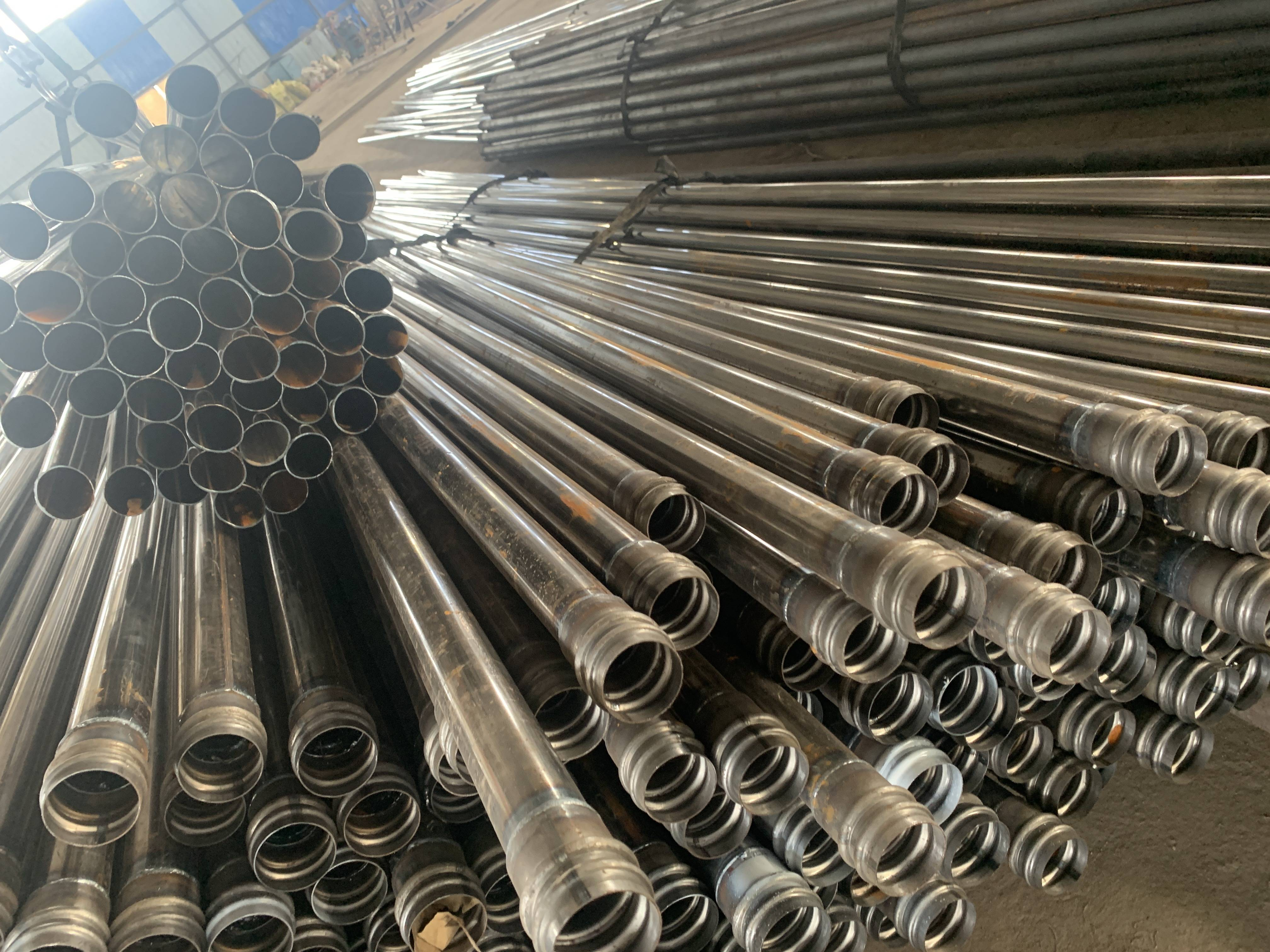
What is a sonic logging tube?
Sonic logging tubing is a type of pipe specifically designed to detect sound waves within concrete piles. These tubings are embedded in the concrete during the pouring process, serving as a transmission channel for the sound waves. By analyzing the time it takes for the sound waves to travel through the concrete, engineers can assess the quality and integrity of the pile foundation. This method, known as sonic logging, is crucial for identifying voids, cracks, and other anomalies that may affect the structural integrity of pile foundations.
The role of acoustic logging pipes in pile foundation engineering
In pile foundation engineering, the primary function of acoustic logging tubing is to provide a non-destructive testing method for assessing the condition of concrete piles. By utilizing acoustic testing, engineers can understand the internal structure of the pile without resorting to invasive methods. This capability is crucial for ensuring that the pile meets required load-bearing capacity and safety standards.
Acoustic logging pipelines play an important role in a variety of applications, including:
1. Quality Control: Ensure that the concrete has been properly mixed and poured.
2. Defect Detection: Identify potential problems in concrete, such as voids, cracks, or honeycomb defects.
3. Structural Assessment: Assess the overall health of existing pile foundations during maintenance or repair work.
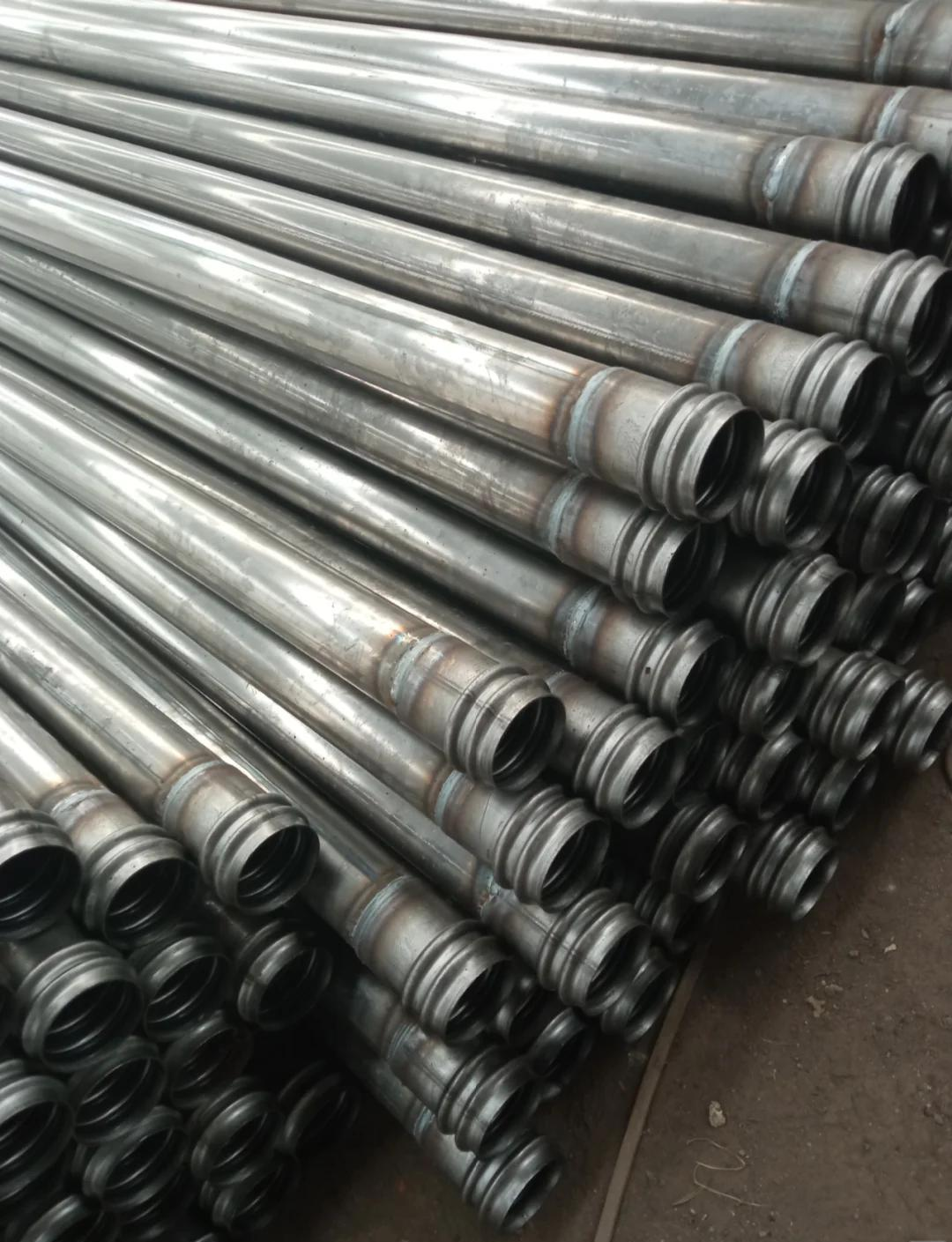
Commonly Used Materials for Sonic Logging Casings
For acoustic logging tubing, the two most commonly used materials are Q235B and 20# steel.
Q235B steel: This is a low-carbon structural steel with good weldability and machinability. Due to its strength and durability, it is commonly used in the construction industry. Q235B steel is suitable for sonic logging pipelines that balance cost-effectiveness and performance.
20# Steel: This is a medium carbon steel with higher strength and hardness compared to Q235B steel. It is often used in applications requiring high mechanical properties and wear resistance. When choosing between Q235B steel and 20# steel for sonic logging tubing, engineers must consider factors such as expected load, environmental conditions, and budget constraints.
Sonic Logging Wire Specifications
Sonic logging tubing is available in various sizes to meet different project requirements. Common sizes include:
Diameter: Typically 50 mm to 150 mm, depending on the size of the pile and specific testing requirements.
Wall thickness: It varies depending on the application. Thin-walled pipes are usually used for smaller piles, while thick-walled pipes are used for larger, heavier structures.
Length: Sonic logging pipes can be manufactured in various lengths to accommodate the depth of the pile being measured.
Suitable Pile Lengths for Thin-Walled and Thick-Walled Acoustic Logging Wires
The choice between thin-walled and thick-walled acoustic logging tubing usually depends on the length of the pile used.
Thin-walled pipes:These pipes are typically suitable for shorter pile foundations, generally not exceeding 10 meters in length. Their lightweight design facilitates handling and installation, making them ideal for projects with low load requirements.
Thick-walled pipes:In contrast, thick-walled pipes are better suited for longer piles, typically exceeding 10 meters. Their higher strength and durability enable them to withstand higher loads and harsher environmental conditions.
Connection method of sonic logging pipeline
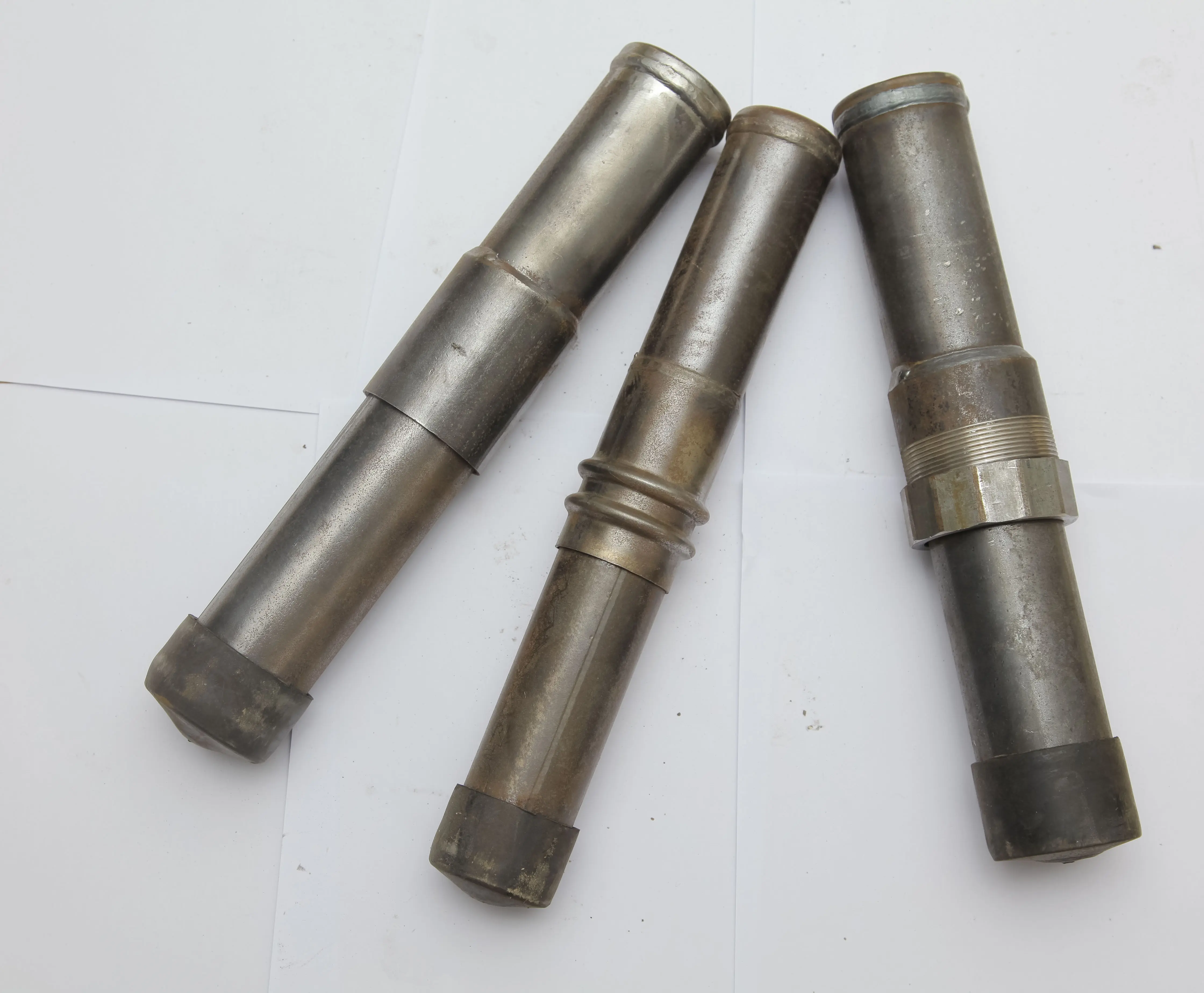
The connection method of the sonic logging pipeline is crucial to ensuring the safety and effectiveness of the installation. The three most common connection methods are clamp connection, spiral connection, and sleeve connection.
1. Clamp Connection: This method uses clamps to secure pipes together. It is a simple and economical solution, but its structural integrity may not be as good as other methods.
2. Spiral Connection: A spiral connection involves winding pipes together in a spiral pattern. This method improves strength and stability, making it suitable for applications requiring high load-bearing capacity.
3. Casing Connection: Casing connection uses a casing to connect two pipes together. This method provides a robust and reliable connection, ensuring the sonic logging pipes are securely positioned during concrete pouring.
in conclusion
Sonic logging tubing is an indispensable component of pile foundation engineering, providing crucial data for assessing the integrity of concrete piles. Jindalai Steel Group Co., Ltd. offers a range of high-quality sonic logging tubing made from durable materials such as Q235B and 20# steel. By understanding the specifications, applications, and connection methods of these tubing, engineers can make informed decisions, thereby improving the safety and reliability of construction projects. With the increasing demand for robust and efficient foundation solutions, sonic logging tubing will continue to play a vital role in ensuring the success of pile foundation engineering.
Post time: Sep-09-2026


