

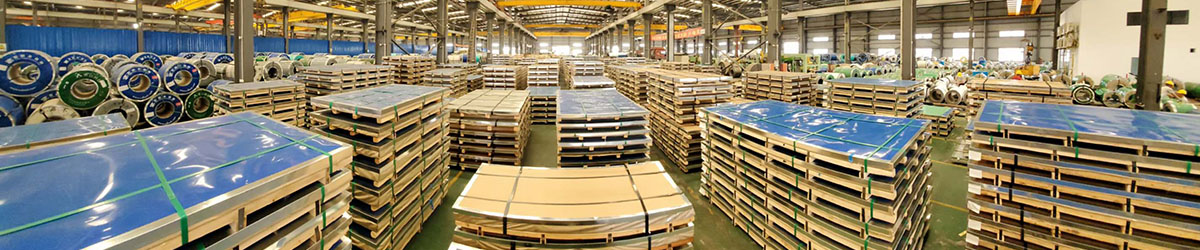
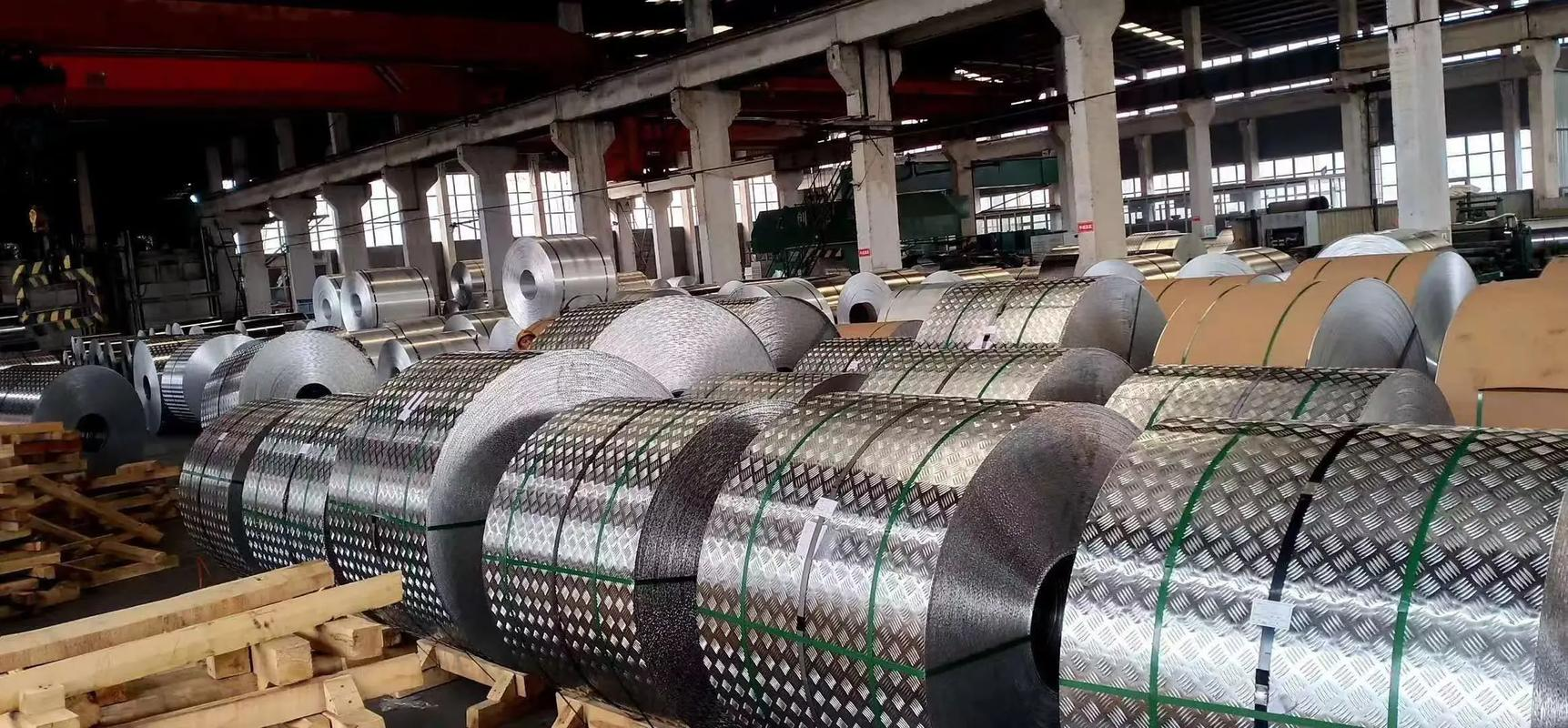
Aluminum coils are an indispensable material across various industries, renowned for their lightweight, durability, and corrosion resistance. Jindalai Steel Group Co., Ltd. is a leading manufacturer of aluminum products, specializing in aluminum coils, wire coils, and sheets. This article will delve into the manufacturing processes, standard dimensions, surface treatment methods, and key application areas of these versatile materials.
Aluminum Coil Production Process
The production of aluminum coils begins with the melting of aluminum ingots, which are then cast into large steel billets. These billets undergo a hot rolling process, where they are heated and rolled through rolls to the desired thickness. After hot rolling, the aluminum coils undergo cold rolling to further reduce their thickness and improve their mechanical properties. This two-step rolling process is crucial for producing high-quality aluminum coils that meet industry standards.
Once the aluminum coil reaches the required thickness, it undergoes annealing to relieve internal stress and improve ductility. This process involves heating the aluminum coil to a specific temperature and then slowly cooling it. After annealing, the aluminum coil is trimmed and cut to the desired length. The final step in the production process is surface treatment to improve the appearance and properties of the aluminum coil.
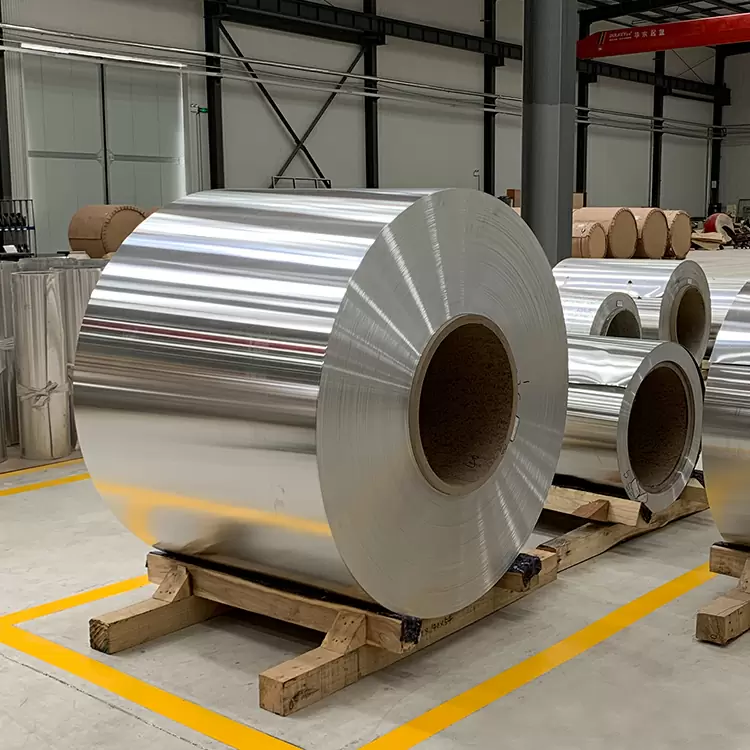
Standard dimensions of aluminum coils
Aluminum coils are available in a variety of standard sizes to meet diverse application needs. The thickness of aluminum coils typically ranges from 0.2 mm to 6 mm, and the width varies from 100 mm to 2000 mm. Lengths can also be customized to customer requirements, with standard lengths typically ranging from 1000 mm to 6000 mm. Jindalai Steel Group Co., Ltd. offers a wide range of aluminum coil sizes to meet diverse customer needs, ensuring they can find the most suitable product for their projects.
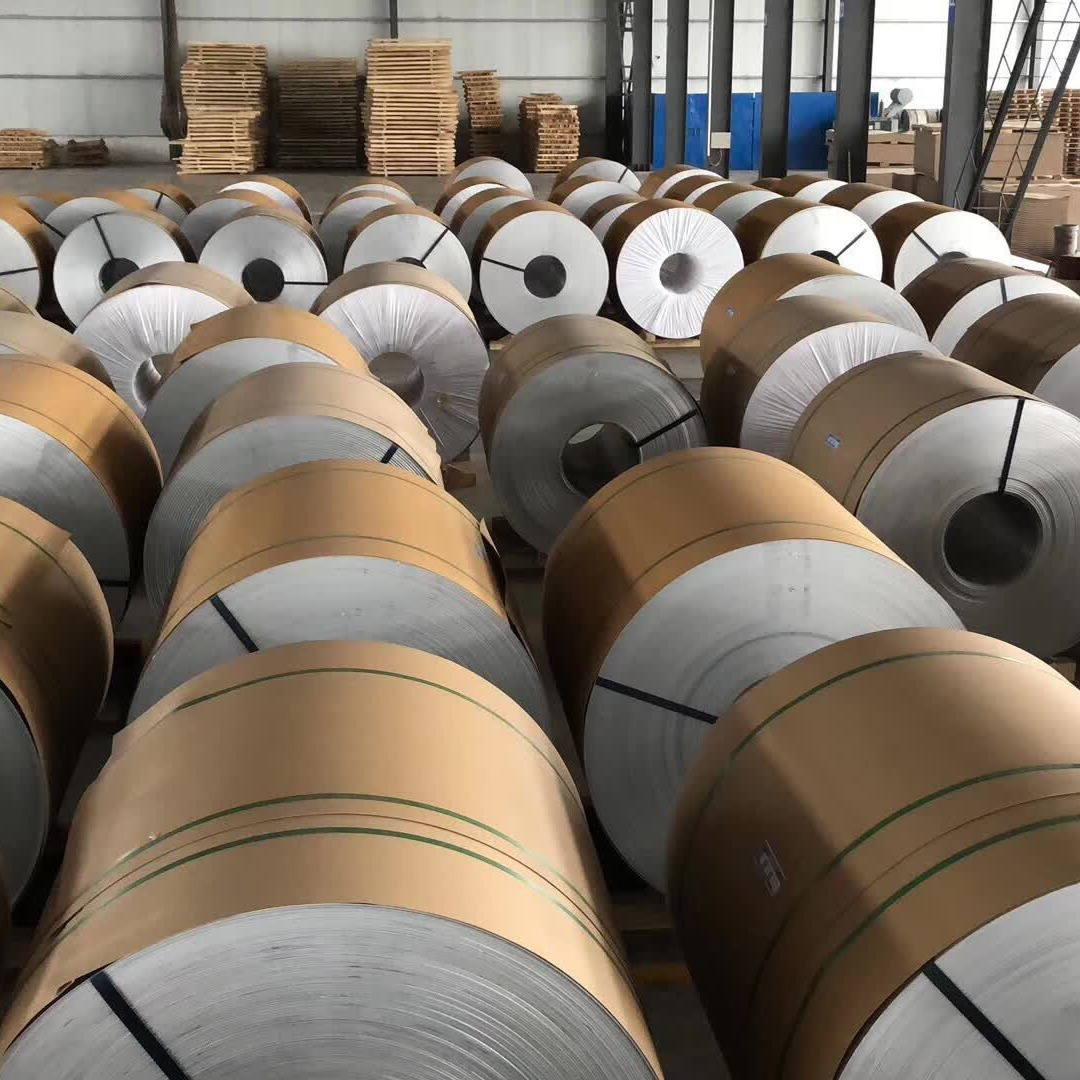
Aluminum Coil Surface Treatment Methods
Surface treatment is a crucial step in aluminum coil production because it enhances the material’s durability and aesthetics. Common surface treatment methods for aluminum coils include anodizing, painting, and coating. Anodizing involves electrochemically oxidizing the aluminum surface to form a protective layer, thereby improving corrosion resistance and abrasion resistance. This method is particularly popular in construction applications, where aesthetics and durability are paramount.
Spray painting is another common surface treatment method, which involves applying a layer of paint to the surface of an aluminum coil to give it color and provide additional environmental protection. This method allows for a wide range of colors and finishes, making it suitable for various applications, from automotive to consumer electronics. Coatings, such as powder coatings, involve spraying dry powder onto the aluminum surface and then curing it at high temperatures to form a hard protective layer. This method is known for its durability and resistance to peeling, scratches, and fading.
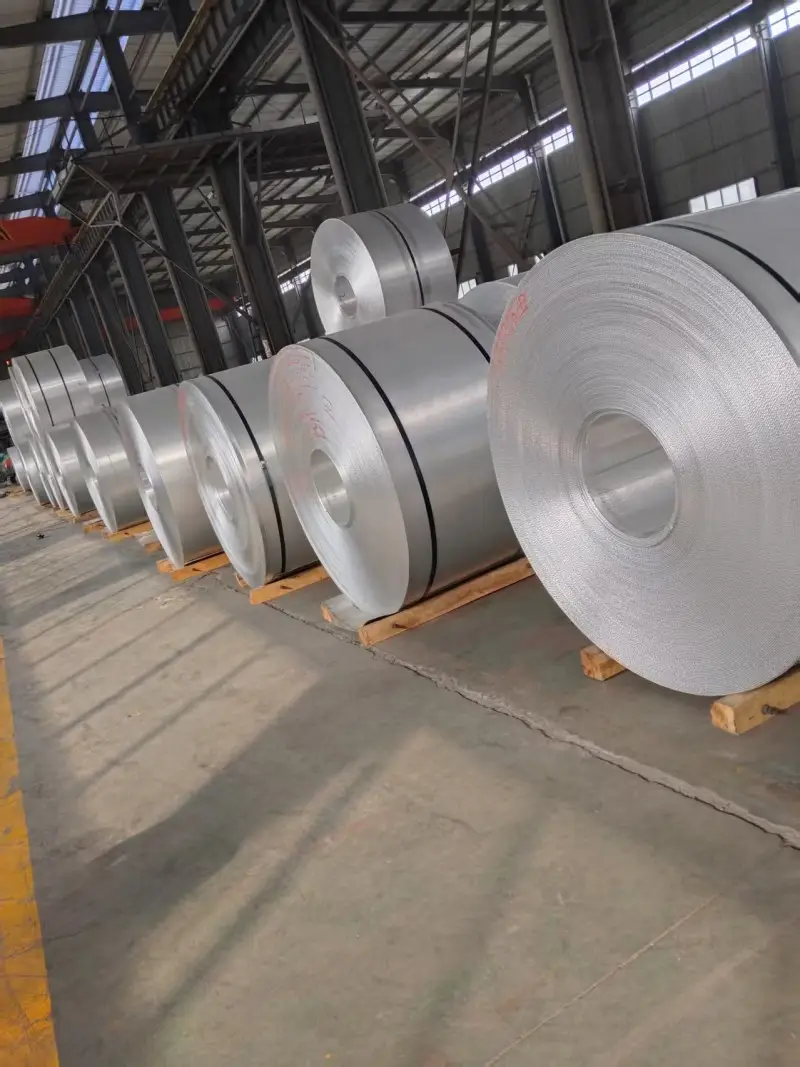
Main application areas of aluminum coils
Aluminum coils are widely used in numerous industries due to their unique properties. One of the main application areas is the construction industry, where aluminum coils are used for roofing, wall panels, and window frames. Their lightweight and corrosion-resistant characteristics make them an ideal choice for building materials that require durability and low maintenance costs.
In the automotive industry, aluminum coils are increasingly being used to manufacture lightweight components to improve fuel efficiency and reduce emissions. The automotive industry benefits from aluminum’s excellent strength-to-weight ratio, making it the preferred material for components such as body panels, heat exchangers, and structural parts.
The power industry also relies heavily on aluminum coils in various applications such as power transmission and distribution. Aluminum’s excellent conductivity and lightweight properties make it an ideal material for wires and cables, ensuring efficient energy transmission while minimizing weight.
In addition, aluminum coils are widely used in the packaging industry, especially in food and beverage containers. Aluminum is non-toxic and has the properties of blocking moisture and light, making it ideal for preserving fresh products. Aluminum foil is a special type of aluminum coil, commonly used in food packaging and container manufacturing.
The aerospace industry is another important application area for aluminum coils. Aluminum’s lightweight and high-strength properties make it a key material for aircraft components, contributing to improved fuel efficiency and performance. From fuselage structures to wing components, aluminum coils play a vital role in modern aviation.
Finally, the electronics industry also uses aluminum coils in the production of heat sinks and housings for electronic devices. Aluminum’s thermal conductivity helps in effective heat dissipation, thus ensuring the lifespan and performance of electronic components. With continued technological advancements, the demand for aluminum coils in this sector is expected to grow.
in conclusion
In summary, aluminum coils are a versatile material with wide applications across various industries. Jindalai Steel Group Co., Ltd. is a reputable manufacturer of aluminum products, including aluminum coils, wire coils, and sheets. For industries looking to fully leverage the advantages of this superior material, understanding the manufacturing processes, standard dimensions, surface treatments, and applications of aluminum coils is crucial. With the market’s growing demand for lightweight, durable, and corrosion-resistant materials, aluminum coils will undoubtedly play a key role in shaping the future of manufacturing and construction.
Post time: Aug-12-2026


