

Angle steel, commonly known in the industry as angle iron, is a long strip of steel with two sides forming a right angle. It belongs to the category of structural steel. Angle steel is available in various shapes and sizes and is an indispensable material for strength and stability in various application fields.
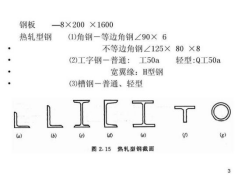
The above products are common types of structural steel. In this blog post, we will explore different types of angle steel, their applications, and the standard dimensions that define these important materials.
Types of Angle Steel.
Angle steel is generally classified according to the dimensions of its two sides, typically into equal-sided angle steel and unequal-sided angle steel.
I. Equal-sided angle steel: Angle steel with two sides of equal length. It forms a 90-degree angle, providing uniform strength and stability.
II. Unequal-sided angle steel: Angle steel with two sides of unequal length. It offers greater flexibility in design and application.
Unequal-sided angle steel is further divided into unequal-sided equal-thickness angle steel and unequal-sided unequal-thickness angle steel based on the difference in thickness between the two sides.
Another type of angle steel is perforated angle steel. This design facilitates connection with other materials and is commonly used in shelving, warehousing systems, and other storage solutions.
Angle steel product specifications.
Angle steel standards are typically expressed using dimensions for side length and thickness. Currently, domestically produced angle steel standards range from No. 2 to No. 20, with the number representing the side length in centimeters. Angle steel of the same No. often comes in 2 to 7 different thicknesses. Imported angle steel specifies the practical dimensions of both sides and the thickness, along with the relevant standards. Generally, angle steel with a side length of 12.5cm or more is considered large, between 12.5cm and 5cm is medium, and less than 5cm is small.
In addition to standard sizes, angle steel can also be customized to meet specific project requirements. Jindalai Steel Group offers a range of customized angle steel products, allowing customers to specify dimensions based on their unique application needs. This flexibility ensures customers receive the precise specifications required for their projects.
Applications of Angle Steel.
Angle steel has an extremely wide range of applications and is an indispensable component in many industries.
1. In the building structure field, it is used in industrial plant truss systems, steel structure building supports, curtain wall keel frames, etc. Commonly available qualified angle steel of this type can meet the load-bearing requirements of conventional buildings.
2. In the machinery manufacturing industry, it serves as a core material for equipment frame foundation components, conveyor support rails, and heavy machinery guardrails, adaptable to the structural construction of various equipment.
3. In infrastructure projects, it is used for transmission tower diagonal bracing, bridge maintenance access supports, port hoisting equipment bases, etc., able to withstand load impacts under normal environmental conditions, ensuring the stability of infrastructure.
4. In the automotive industry, angle steel is used to manufacture vehicle frames and chassis, providing the necessary strength and rigidity to ensure safety and performance.
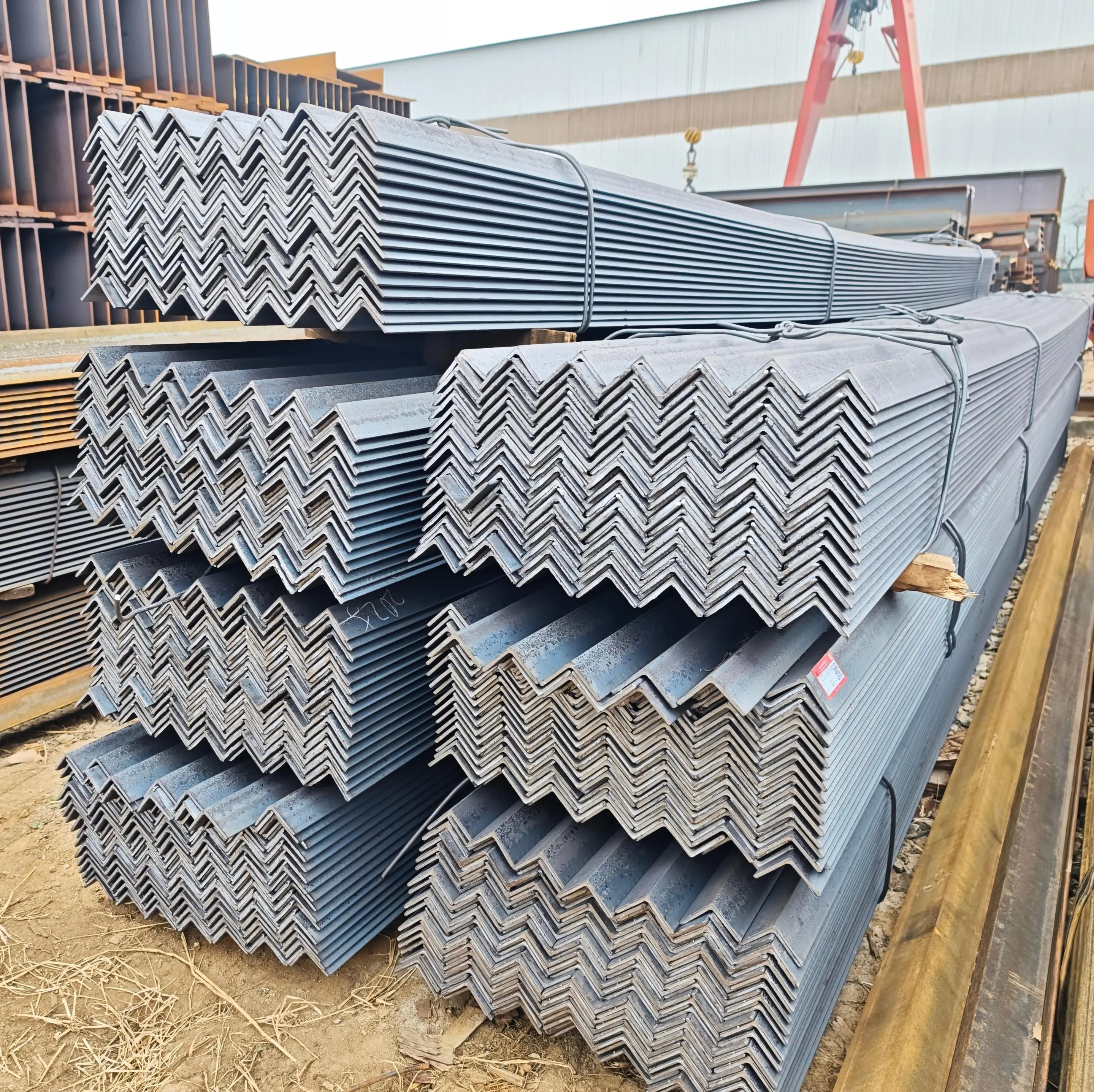
For angle steel, quality is paramount, as it directly impacts its application structure and the performance and safety of the product. We strictly adhere to quality control measures and industry standards to ensure that all angle steel products meet or exceed customer expectations. Our commitment to quality is reflected in the selection of raw materials, manufacturing processes, and the final products delivered to our customers.
Post time: Jun-08-2026


