

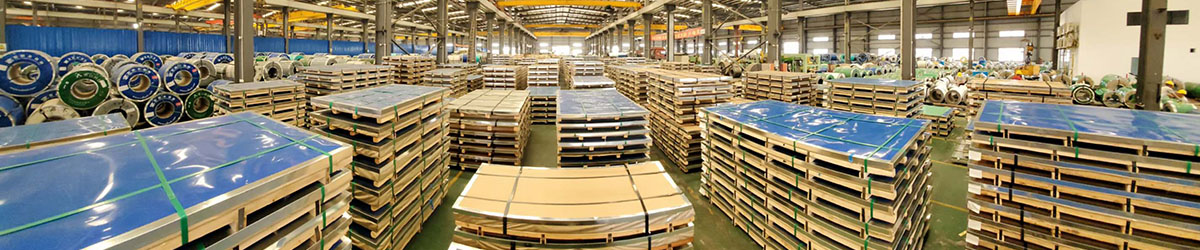
In industrial applications, the choice of piping material is crucial. Among the many options available, carbon steel pipes are favored for their high strength, durability, and versatility. Jindalai Steel Group focuses on providing high-quality carbon steel pipes, including seamless and welded ones. However, understanding the key parameters that can influence your decision before purchasing is essential. In this blog post, we’ll explore five key factors to consider when buying carbon steel pipes to help you get a quote faster.
1. Intended use: fluid piping, structural piping, or boiler piping?
The first step in selecting the right carbon steel pipe is to clarify its intended use. Do you need fluid piping, structural piping, or boiler piping? Each application has specific requirements that determine the type of piping you need.
Fluid Piping:If your application involves transporting liquids or gases, you will need piping capable of withstanding pressure and corrosion. Seamless carbon steel pipes are often the material of choice for such applications due to their uniform structure and lack of welds (which can be weak points).
Structural Pipes: For building and structural applications, carbon steel welded pipes may be more suitable. These pipes are generally more cost-effective and can be produced in larger diameters, making them ideal for building framing and supporting structures.
Boiler Piping: If you are using boiler piping in a high-temperature, high-pressure environment (such as a power plant), you will need to use dedicated boiler piping. Please ensure that the carbon steel piping you choose meets the appropriate pressure and temperature rating standards.
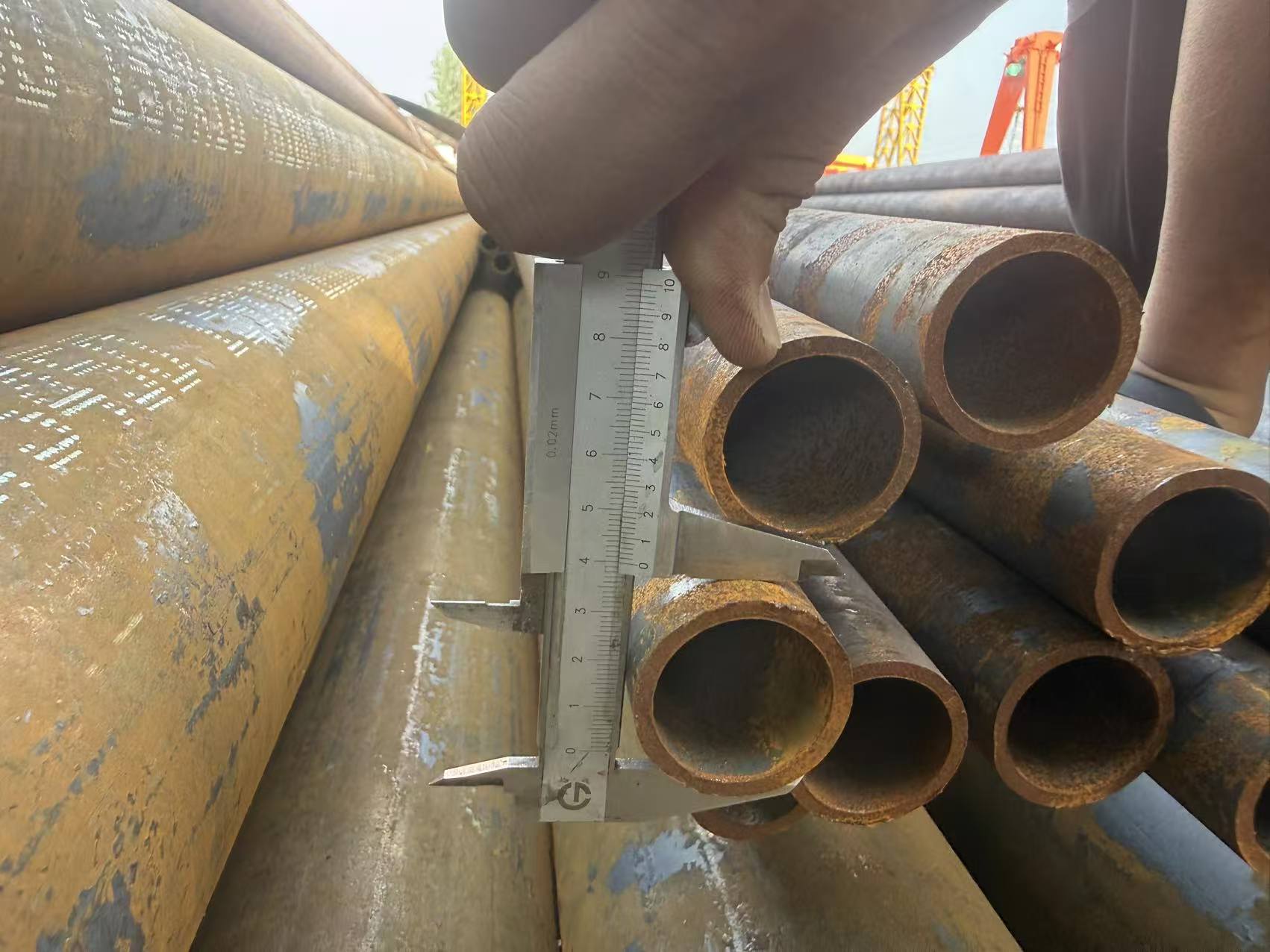
2. Carbon Steel Grade
After determining the intended use of the pipeline, the next step is to discuss the grade of carbon steel. Different grades of carbon steel differ in strength, ductility, and corrosion resistance. Common grades include:
A106: This grade is commonly used in high-temperature environments and is suitable for seamless carbon steel pipes.
A53: Commonly used in structural applications, this grade is available in both welded and seamless forms.
API 5L: This grade is designed specifically for the oil and gas industry and performs exceptionally well in high-pressure applications.
Understanding the specific requirements of your project will help you select the appropriate grade of carbon steel pipe, thereby ensuring optimal performance and service life.
3. Thickness and Pressure Resistance
It is a common misconception that thicker carbon steel pipes have better pressure resistance. While wall thickness does affect a pipe’s pressure resistance, it is not the only factor. Material properties, pipe diameter, and design also significantly influence the pipe’s rated pressure.
For example, thicker pipes may be more robust and durable, but if not designed for high-pressure applications, they can still rupture under pressure. Therefore, it is essential to consult experienced suppliers like Jindalai Steel Group to ensure that the pipes you choose meet the pressure requirements of your specific application.
4. Seamless steel pipes and welded steel pipes
Another key consideration when purchasing carbon steel pipes is whether to choose seamless or welded pipes. Each type of pipe has its own advantages and disadvantages, and the best choice depends on your specific application.
Seamless Pipes: These pipes can be manufactured without welding, resulting in a uniform structure that can withstand higher pressures and temperatures. In applications such as oil and gas, where integrity and reliability are paramount, seamless pipes are often the preferred choice.
Welded pipe: Although the pressure resistance of welded pipe may not be as high as that of seamless pipe, it is generally more cost-effective and can be produced in larger sizes. It is suitable for structural applications with low pressure requirements.
Ultimately, the choice between seamless and welded steel pipes should depend on the specific needs of your project. Jindalai Steel Group’s consulting experts can help you make an informed decision.
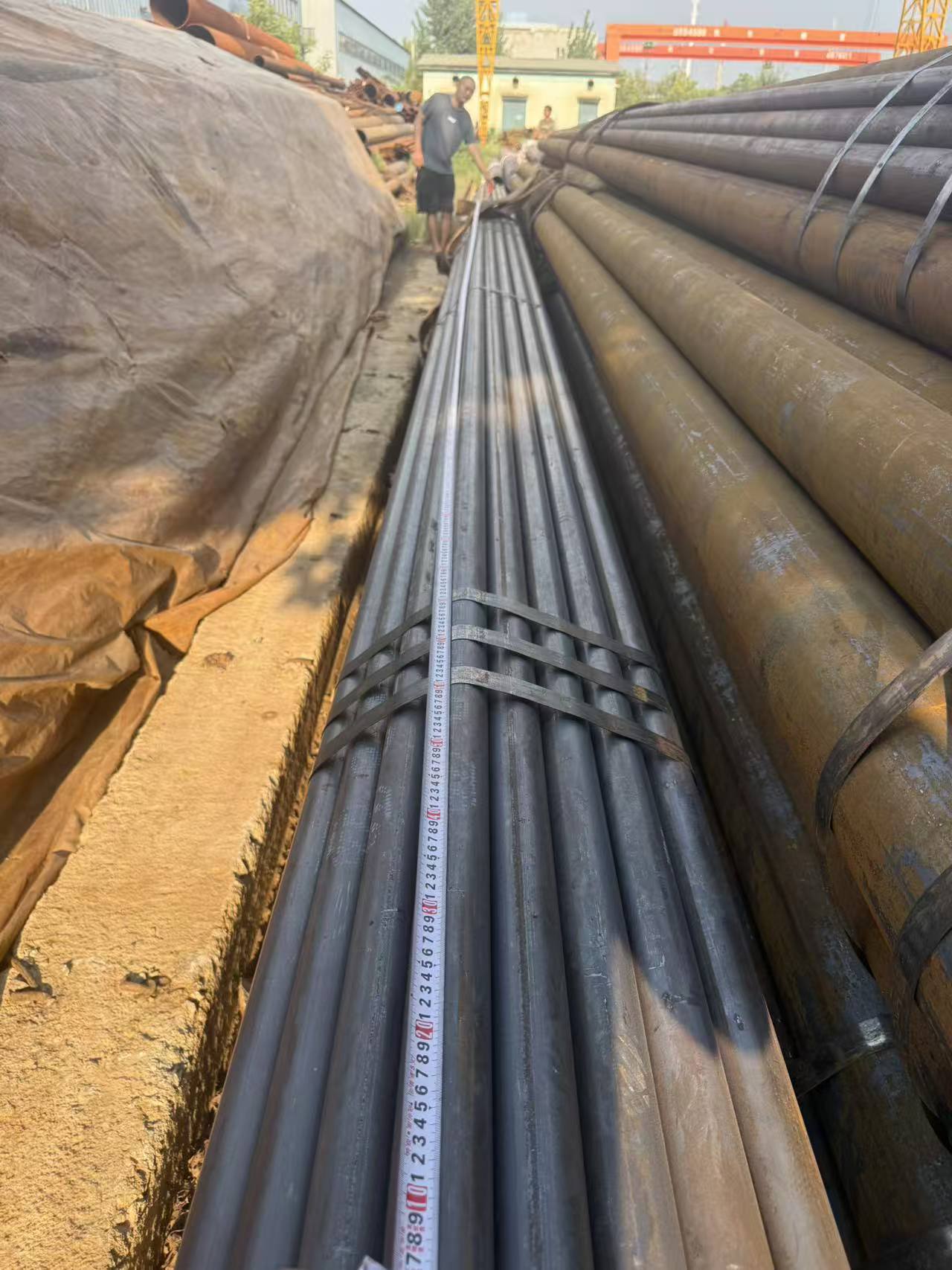
5. Meets industry standards
Finally, ensure that the carbon steel pipes you consider using meet the relevant industry standards. Different industries have different regulations regarding the quality and performance of piping materials. For example, the American Society for Testing and Materials (ASTM) and the American Petroleum Institute (API) have established standards for different grades of carbon steel pipes.
Before making a final purchase, ensure that the pipeline meets the certifications and standards required for your application. This step not only ensures compliance but also improves the security and reliability of the project.
In summary
In summary, procuring carbon steel pipes requires careful consideration of several key parameters. By clarifying the intended use, discussing the carbon steel grade, understanding the wall thickness and pressure resistance, evaluating the advantages and disadvantages of seamless and welded steel pipes, and ensuring compliance with industry standards, you can make informed decisions that meet project requirements.
Jindalai Steel Group is committed to providing high-quality carbon steel pipes that meet your specific needs. Whether you require seamless or welded carbon steel pipes, our team of experts will assist you in making the right choice. Contact us today for a quote and experience Jindalai’s superior quality!
Post time: Oct-09-2026


