

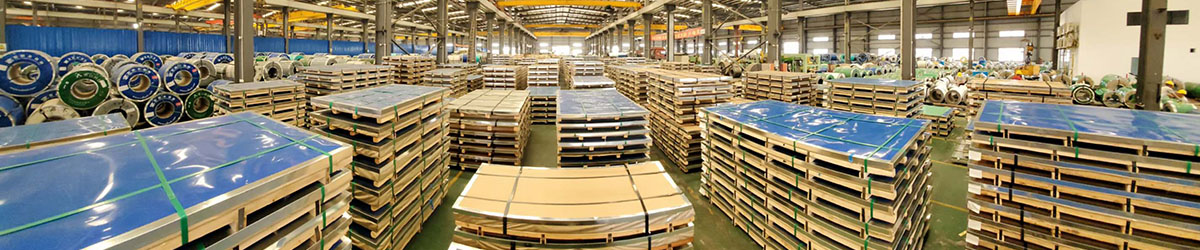
In the construction and manufacturing industries, material selection directly affects the durability, mechanical strength and overall performance of finished products. Among common engineering materials, carbon steel sheet stands out and is widely adopted thanks to its outstanding comprehensive performance. This guide introduces the major categories of carbon steel sheet, compares hot-rolled with cold-rolled material, lists the critical specifications to verify during procurement, and explains why carbon steel sheet remains the preferred option for large steel structure buildings.
1. What Are the Different Types of Carbon Steel Plates?
Carbon steel plates are mainly classified by carbon content and the performance characteristics that follow from it. The common grades are summarised below:
| Type | Carbon Content | Core Features | Typical Applications |
| Low-carbon steel sheet | ≤ 0.3% | Excellent weldability and formability; soft, easy to shape | Automotive parts, general structural components, stamped parts |
| Medium-carbon steel plate | 0.3% – 0.6% | Balanced strength and ductility | Machinery parts, automotive structural fittings, shafts and gears |
| High-carbon steel plate | > 0.6% | High hardness and strength; limited ductility, harder to weld | Wear-resistant parts, cutting tools, springs |
| Alloy steel plate | — | Alloying elements such as Cr, Ni, Mo raise strength and corrosion resistance | Special engineering conditions requiring elevated performance |
Alloy steel is not strictly carbon steel, yet it is frequently supplied alongside carbon steel products to cover specialised project demands.
Jindalai Steel Group supplies the full range of low-carbon, medium-carbon, high-carbon and alloy steel plates, allowing customers to match grade to application without compromising on delivery or documentation.
2. Hot-Rolled vs Cold-Rolled Carbon Steel Sheet
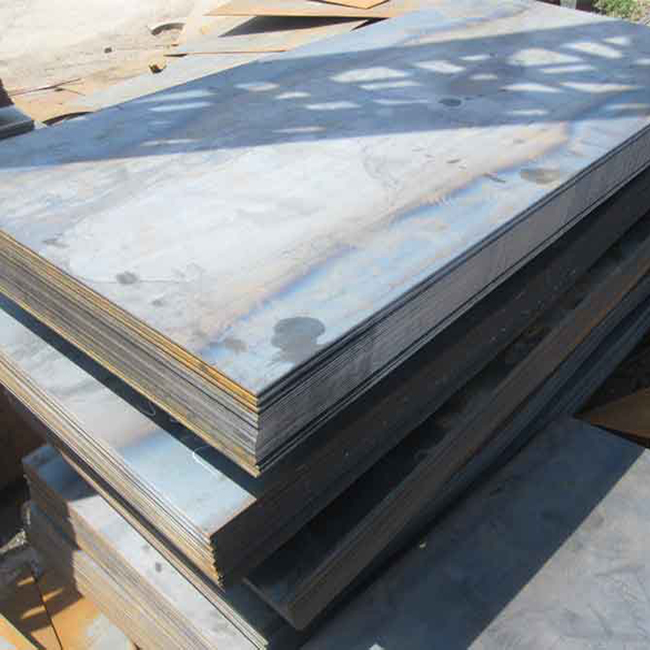
When selecting carbon steel sheet, it is essential to distinguish hot-rolled (HR) from cold-rolled (CR) material, as the two differ markedly in properties, tolerance and suitable use.
Hot-rolled carbon steel sheet (HR)
Hot rolling takes place at high temperature, generally above 1700°F. The heat makes the steel easy to deform, so heavier gauges and thicker plates can be produced in fewer passes, with internal residual stress largely relieved during cooling.
Cold-rolled carbon steel sheet (CR)
Cold rolling is carried out at room temperature on a hot-rolled base coil. The material is work-hardened and given a smoother surface and much tighter dimensional tolerance, which makes it suitable for precision and appearance-critical parts.
Side-by-side comparison
| Item | Hot-Rolled (HR) | Cold-Rolled (CR) |
| Processing temperature | Above 1700°F | Room temperature |
| Surface condition | Oxide scale present; comparatively rough | Smooth, clean, uniform finish |
| Dimensional tolerance | Standard tolerance | Tight, high-precision tolerance |
| Thickness range | Wider, typically heavier gauge | Thinner gauge, more limited range |
| Main advantages | Lower cost, low residual stress, less prone to warping, well suited to heavy structures | Higher tensile strength after work hardening, better appearance, suited to precision parts |
| Common uses | Steel structures, heavy machinery, base plates, support frames | Stamped parts, decorative panels, precision assembly components |
In short, the choice between HR and CR carbon steel sheet depends on project budget, load requirement, machining precision and surface appearance demands.
3. Material Specifications to Confirm Before Purchase
Before placing an order, buyers should verify a defined set of technical indicators to ensure the plates meet project standards. The checklist below can be used as a pre-order reference:
| No. | Specification Item | What to Check |
| 1 | Chemical composition | Carbon content and other elements within the limits of the required grade |
| 2 | Mechanical properties | Tensile strength, yield strength and elongation |
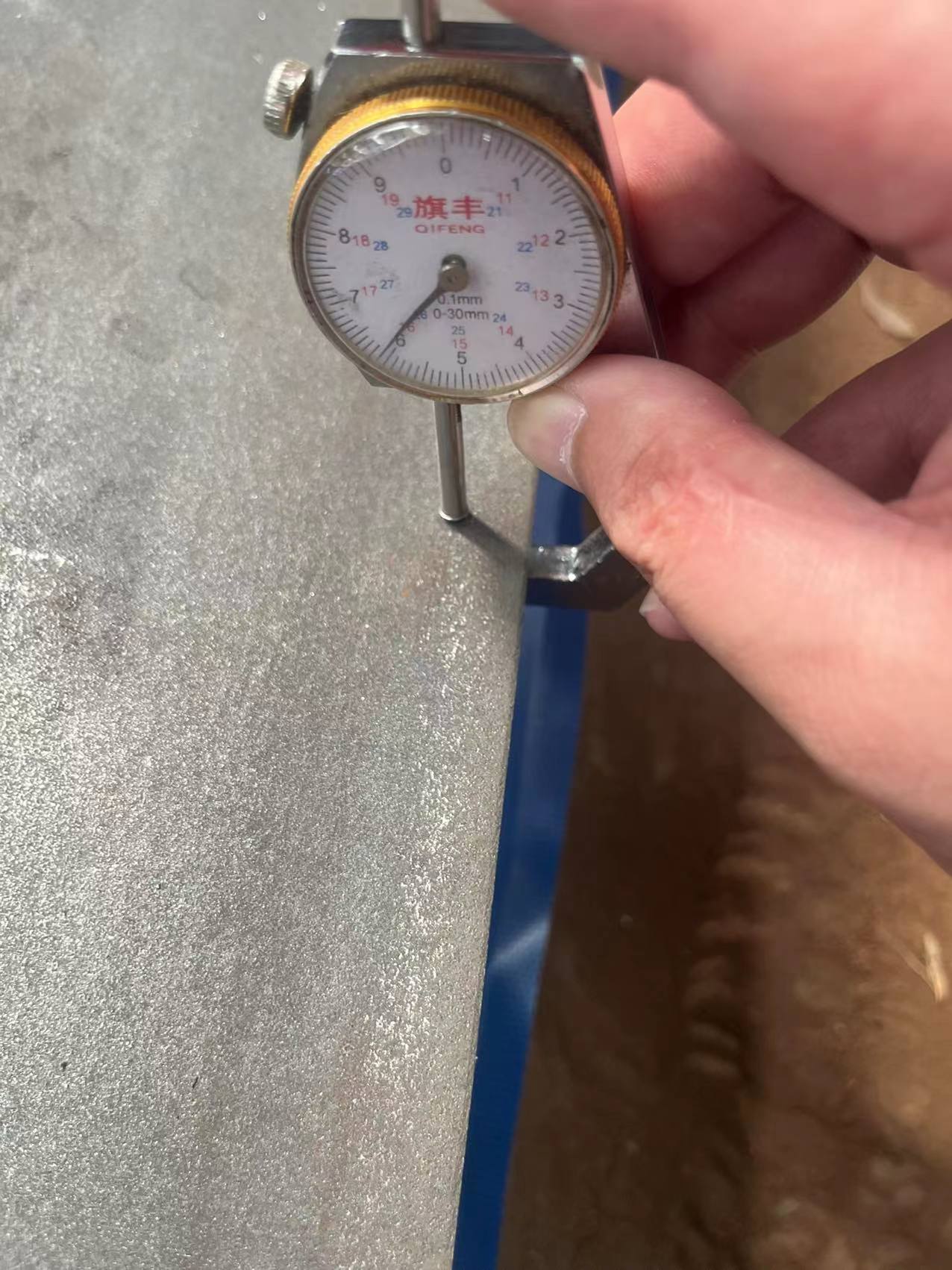
| 3 | Size and thickness | Thickness, width, length and flatness against drawings |
| 4 | Surface quality | Rust, scale, pits, cracks and any other surface defects |
| 5 | Documentation | Complete Material Test Certificate (MTC) and standard compliance |
Jindalai Steel Group places quality and transparency first, and issues a complete Material Test Certificate with every carbon steel plate shipment so that composition, mechanical results and standard compliance can be traced against the order.
4. Why Carbon Steel Plate Is Preferred for Large Steel Structure Buildings
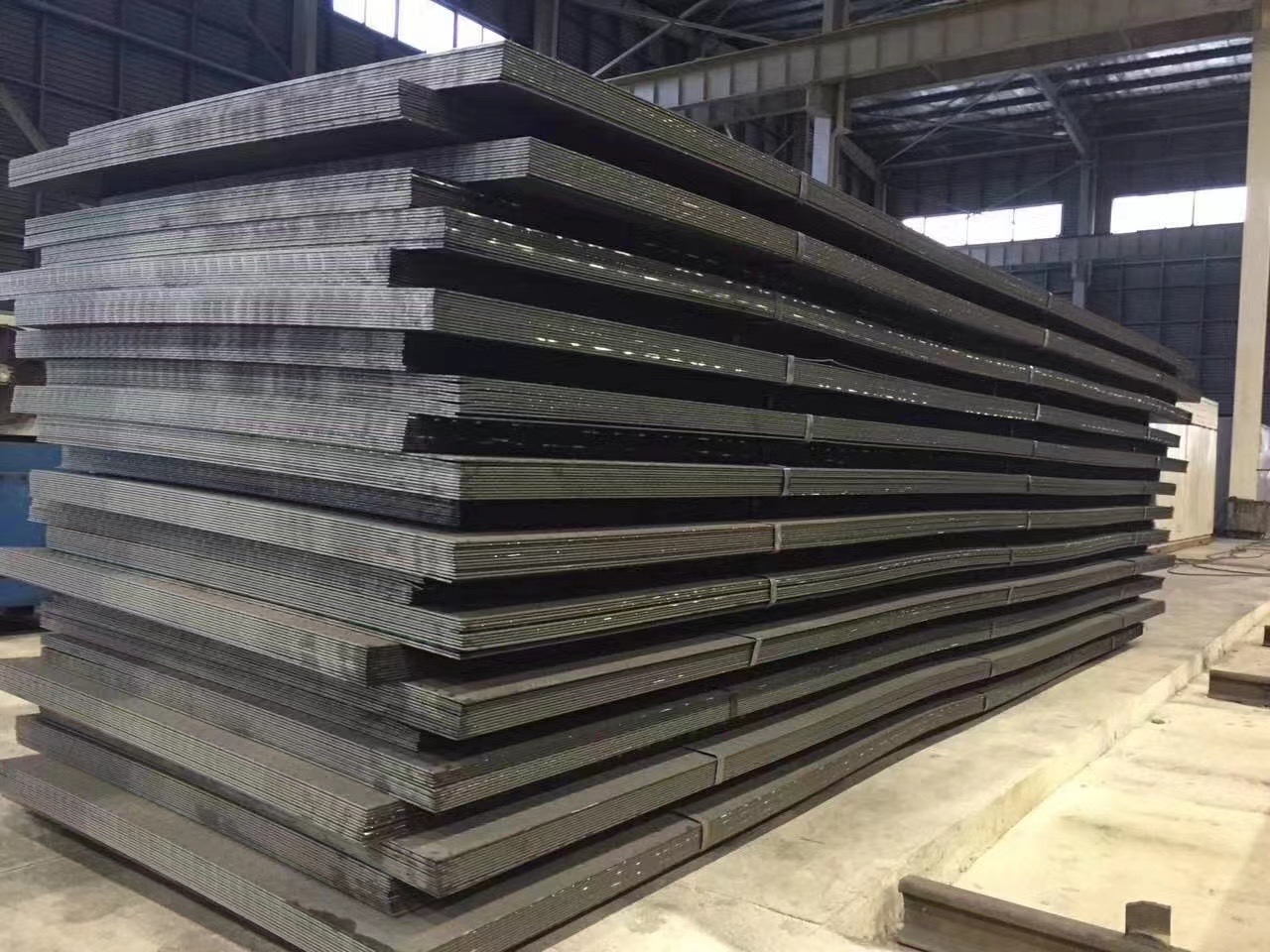
Carbon steel sheet is the standard choice for large steel structure projects for five practical reasons:
1. Strength and durability — Carbon steel offers an excellent strength-to-weight ratio, so it can carry heavy loads with less material than many alternatives.
2. Cost efficiency — Compared with stainless and other special metals, carbon steel is markedly more economical at large project scale.
3. Workability — It can be cut, welded and formed with familiar equipment, which keeps design and construction flexible.
4. Stable supply — A broad range of grades and sizes is normally in stock, which protects construction schedules.
5. Recyclability — Carbon steel is 100% recyclable, aligning with green and sustainable building practice.
5. Conclusion
Carbon steel products from Jindalai Steel Group cover a wide spectrum of applications, and they perform particularly well in large steel structure buildings. By understanding the differences between steel grades, between hot-rolled and cold-rolled material, and by systematically confirming procurement specifications, buyers can make sound material decisions that improve project quality and extend service life.
Post time: Nov-04-2026


