

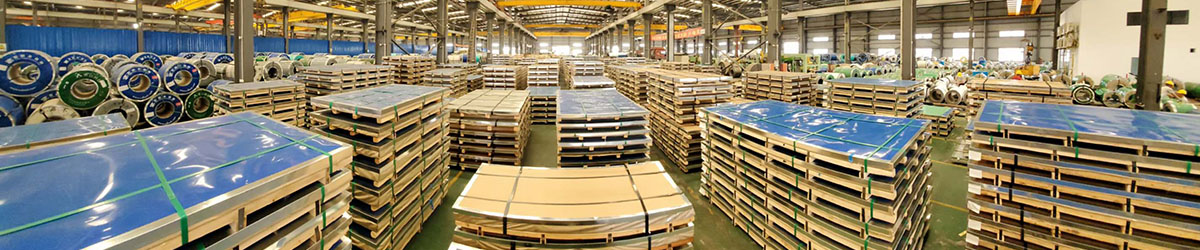
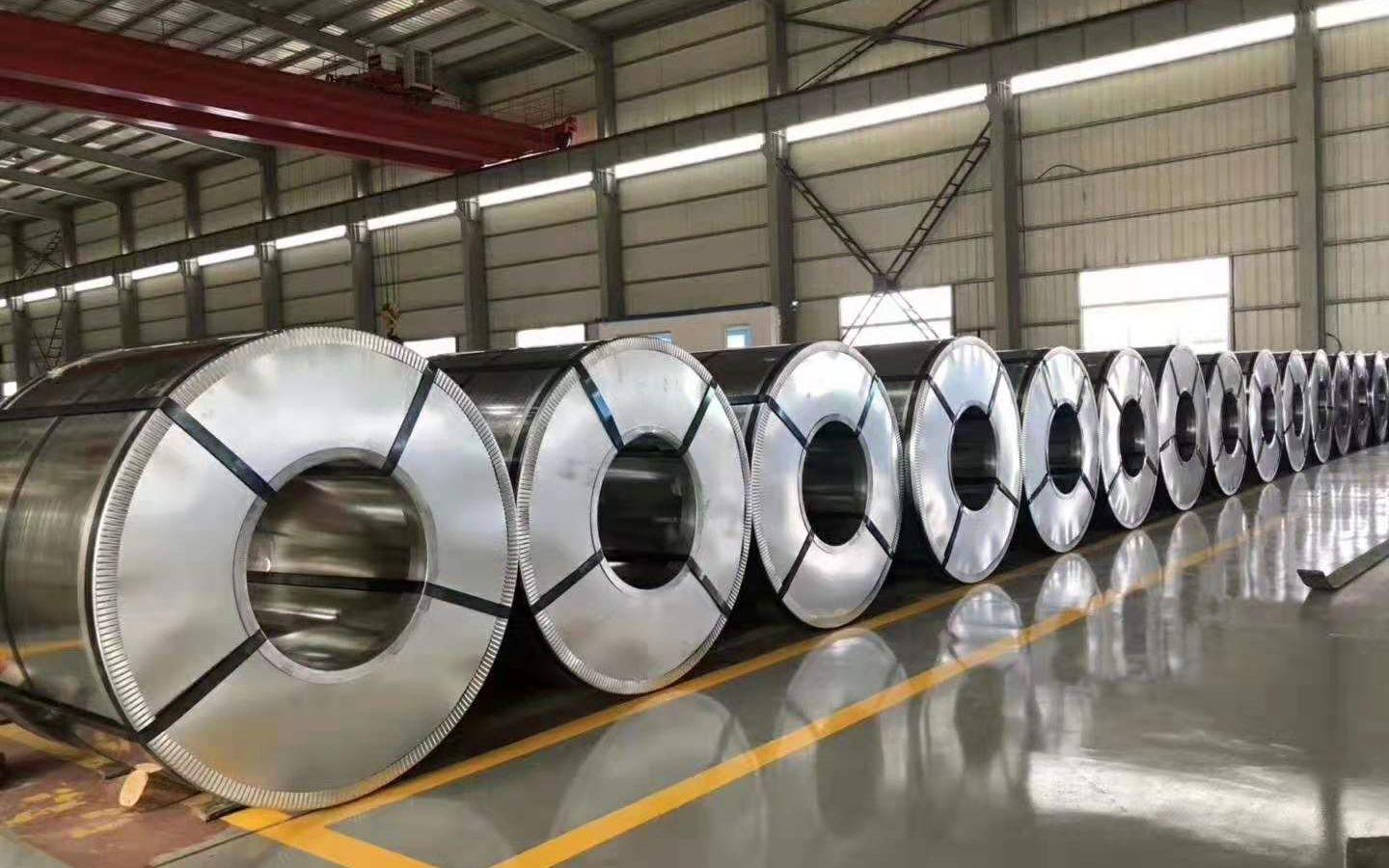
Galvanized coils are coiled metal products consisting of a steel sheet with a zinc layer applied via a continuous galvanizing process; their primary function is to protect the steel substrate with the zinc layer, thereby extending the material’s service life.
Commonly used galvanized steel coil grades
Commonly used galvanized steel coil grades are categorized according to various standards; mainstream grades include DX51D+Z, DC51D+Z, SGCC, and the S-series structural steels.
DX51D+Z: The most common general-purpose grade for cold forming. The “X” indicates that the rolling condition of the base metal is not specified, “51″ is the steel grade sequence number, and “+Z” denotes a pure zinc coating. It is equivalent to the Japanese standard SGCC and is suitable for general applications such as construction and home appliances.
DC51D+Z: The “C” explicitly specifies a cold-rolled base metal. Compared to DX51D, it offers a flatter surface and superior formability. Also intended for general use, it is widely applied in the construction and light industry sectors.
SGCC: The classic Japanese standard grade for general commercial-quality galvanized coils. “S” stands for Steel, “G” for Galvanized, the first “C” for Cold-rolled base metal, and the final “C” for Commercial quality; it is a very common, general-purpose grade in the domestic market.
S-series: Includes grades such as S220GD+Z, S250GD+Z, S350GD+Z, and S550GD+Z. The numerical value directly indicates the minimum yield strength (in MPa), “G” indicates that specific steel characteristics are not defined, and “+Z” denotes a pure zinc coating. These grades are widely used in load-bearing applications such as steel structures and photovoltaic mounting systems.
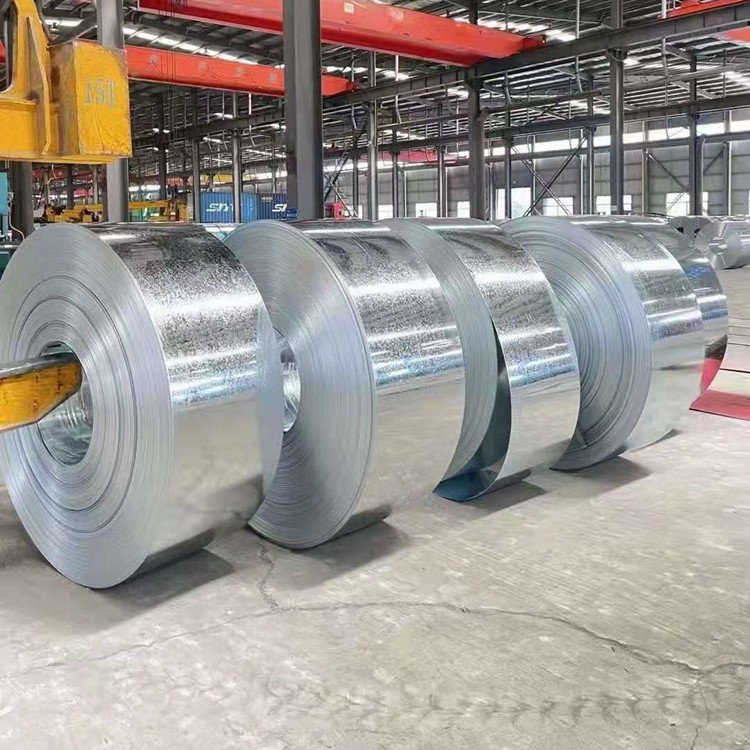
What is the difference between hot-dip galvanized coils and electro-galvanized coils?
Galvanizing is a process of coating the surface of steel with zinc to prevent corrosion. There are two main methods: hot-dip galvanizing and electro-galvanizing.
1. Hot-dip galvanized coils: This method involves immersing the steel in molten zinc to form a thick, robust coating. Hot-dip galvanizing offers excellent corrosion resistance, making it ideal for outdoor applications frequently exposed to harsh weather conditions. Coating thickness can vary but typically ranges from 40 to 100 microns.
2. Electro-galvanized coils: The electro-galvanizing process differs from hot-dip galvanizing. It uses an electrochemical method to deposit a thin layer of zinc onto the steel surface. This method produces a smoother finish and is often used for applications where appearance is a priority. However, its corrosion resistance is generally lower than that of hot-dip galvanized coils, making it better suited for indoor or low-humidity environments.
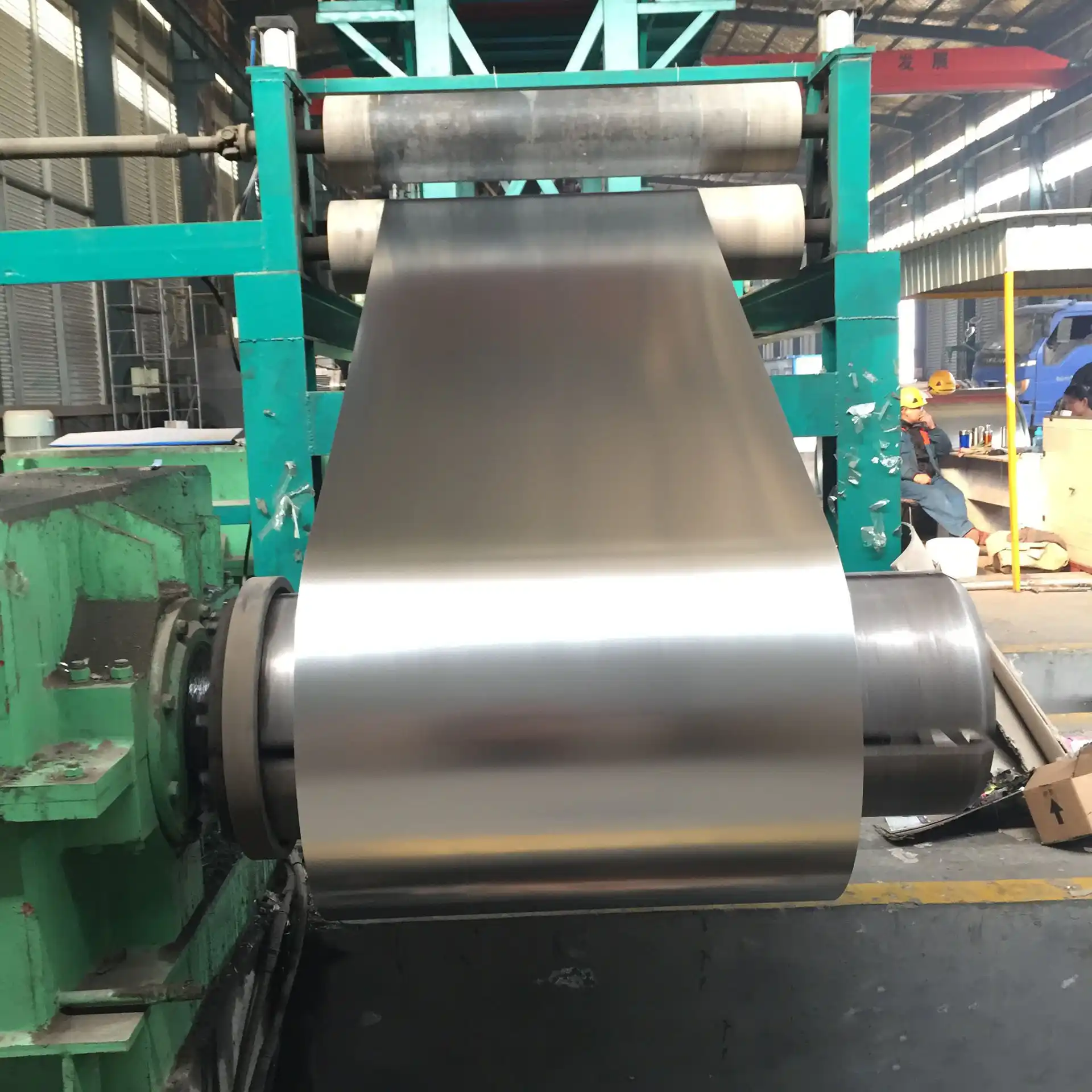
Differences Between Hot-Dip Galvanized Coils, Al-Zn Coated Coils, and Zn-Al-Mg Alloy Coated Coils
Hot-dip galvanized coils, Al-Zn coated coils, and Zn-Al-Mg alloy coated coils are three types of corrosion-resistant steel with distinct coating types; the coating compositions of these three materials differ completely, which is the root cause of the differences in their performance:
| Material Type | Core coating composition | Structural characteristics |
| Hot-dip galvanized coils | ≥99% pure zinc, with no other core alloying elements. | A single pure zinc layer—available in spangle or zero-spangle finishes—with negligible differences in corrosion resistance. |
| Aluzinc coils | 55% Aluminum + 43.5% Zinc + 1.5% Silicon | An aluminum-zinc binary alloy featuring an outer honeycomb-like aluminum structure encapsulating the zinc, with an aluminum-zinc-iron bonding layer formed at the interface. |
| Zinc-Aluminum-Magnesium Alloy Coil | Zinc + 1.5–55% Aluminum + 0.2–3% Magnesium (mainstream formulation: Zn-5%Al-3%Mg), with the optional addition of trace amounts of silicon. | This is a ternary alloy coating in which magnesium is distributed along the grain boundaries to form a self-healing protective layer; it is categorized into low-, medium-, and high-aluminum types based on aluminum content. |
Comparison of Core Performance
Hot-dip galvanizing: Relies solely on the sacrificial anode protection provided by zinc; standard-thickness coatings typically show red rust after 500–1,000 hours in salt spray tests. It offers weak protection for cut edges, making them prone to corrosion.
Alu-zinc (Al-Zn) coating: Combines the barrier protection of aluminum with the sacrificial anode protection of zinc; corrosion resistance is 2–6 times that of a pure zinc coating of the same thickness. However, edge protection is poor, requiring anti-rust paint to seal edges after cutting to prevent corrosion from initiating at the cut site.
Zinc-Aluminum-Magnesium (Zn-Al-Mg) coating: Features triple protection (zinc sacrificial anode + aluminum barrier + magnesium self-healing); corrosion resistance is 3–10 times that of hot-dip galvanized steel of the same thickness. Standard coatings can withstand over 3,000 hours of salt spray testing without red rust, while high-specification coatings exceed 6,000 hours. Its core advantage is the ability to self-heal cut edges, where a protective film automatically forms on the cut surface to prevent the spread of corrosion.
Surface Treatment Methods
Surface treatment is crucial for enhancing the performance and service life of galvanized steel coils. Common methods include:
Passivation: This process chemically treats the surface to form a protective layer that prevents corrosion.
Chromate conversion coating: This method applies a thin layer of chromium to the surface, improving corrosion resistance and providing an aesthetically pleasing finish.
Oiling: A light coating of oil can be applied to prevent oxidation during storage and transportation.
Common Applications of Galvanized Coils
Galvanized coils are metal coils featuring a zinc coating on the steel surface. They serve as a core foundational material in the three major manufacturing sectors—construction, automotive, and home appliances—while also finding extensive use in industries such as telecommunications and new energy.
1. Construction Industry
As the sector with the highest consumption volume, galvanized coils are primarily used for the roofing, wall cladding, and purlins of steel-structured factory buildings, as well as for the building envelopes of warehousing centers and logistics parks; their corrosion resistance ensures a service life of 15–20 years.
2. Automotive Manufacturing
Galvanized coils are used to produce components such as vehicle bodies, inner door panels, chassis shields, and engine hoods. Their high strength and corrosion resistance enable vehicle lightweighting while enhancing rust protection; the average consumption per vehicle ranges from 15 to 20 kg.
3. Home Appliance Industry
They serve as the core base material for the casings and back panels of refrigerators, air conditioners, and washing machines. Specifications featuring a thickness of 0.4–0.8 mm and a zinc coating of 80–120 g/m² meet stamping and forming requirements and pass the 500-hour neutral salt spray test, ensuring resistance to rust during long-term use. High-zinc-coating grades (exceeding 180 g/m²) can also be used for washing machine inner drums to withstand prolonged exposure to moisture. Anti-fingerprint treated galvanized coils further prevent corrosion caused by sweat from fingerprints and enhance the cleanliness of appliance surfaces.
Galvanized coils (including galvanized steel coils, galvanized sheet coils, and galvanized strip steel) are indispensable materials across various industries. Understanding the differences between hot-dip galvanized coils and electro-galvanized coils—as well as their respective production processes and surface treatment methods—will help you make informed decisions for your projects.
Post time: Sep-07-2026


