

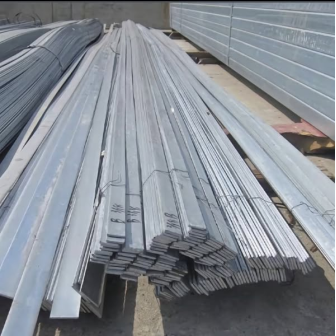
In the construction and manufacturing sectors, galvanized flat steel is an essential material due to its durability and corrosion resistance. Jindalai Steel Group Co., Ltd., as a leading manufacturer and supplier of galvanized flat steel, offers a range of products to meet diverse industrial needs. This blog aims to explore the key differences between two commonly used materials: hot-dip galvanized flat steel (HDG flat steel) and cold-dip galvanized flat steel (EG flat steel), and how to choose the right type for your project.
Hot-dip galvanized flat steel and cold-dip galvanized flat steel
One of the main differences between hot-dip galvanized flat steel and ordinary galvanized flat steel lies in their galvanizing process. Hot-dip galvanizing involves immersing steel in molten zinc to form a thicker coating, thus providing superior corrosion resistance. This makes hot-dip galvanized flat steel ideal for outdoor applications or environments with high humidity and susceptibility to corrosive substances.
In contrast, cold-dip galvanizing or electro-galvanizing involves depositing a thinner layer of zinc onto flat steel through an electrochemical process. While electro-galvanized flat steel offers some corrosion resistance, it is better suited for indoor applications or environments with low humidity. Understanding these differences is crucial for selecting the right galvanized flat steel for your specific needs.
Commonly Used Materials for Galvanized Flat Steel
Galvanized flat steel is typically made of high-quality carbon steel and undergoes special treatment to improve its durability and rust resistance. The most commonly used materials include:
1. Low-carbon steel: Low-carbon steel is known for its excellent weldability and machinability, and is commonly used in construction and manufacturing.
2. High-strength low-alloy steel (HSLA): This material has superior mechanical properties and is often used in structural applications.
3. Stainless Steel: Although uncommon, stainless steel can be galvanized for specific applications requiring enhanced corrosion resistance.
When selecting the appropriate type of galvanized flat steel, factors such as environment, load-bearing requirements, and specific application should be considered.
Special grounding galvanized flat steel vs. ordinary galvanized flat steel
People often ask, what’s the difference between galvanized flat steel for grounding and ordinary galvanized flat steel? Grounding-specific flat steel is specially designed for higher conductivity and is commonly used in electrical applications such as grounding systems. While ordinary galvanized flat steel also has conductivity, it may not meet the stringent requirements of grounding applications. Therefore, assessing project needs to determine the appropriate type is crucial.
Common Specifications and Customization Options
Galvanized flat steel is available in various specifications, including thickness, width, and length. Common specifications include:
- Thickness: Depending on the application, the thickness ranges from 1/8 inch to 1 inch.
- Width: Typically available in widths from 1 inch to 12 inches.
- Length: Standard length is 10 to 20 feet, custom lengths are available upon request.
Jindalai Steel Group Co., Ltd. understands that every project is unique. Therefore, we provide customized services to meet the specific needs of our clients, ensuring they receive the products they require.
in conclusion
In short, galvanized flat steel is an essential material across various industries. Understanding the differences between hot-dip galvanized and ungalvanized flat steel, as well as the various specifications and customization options, is crucial for making informed decisions. As a trusted supplier of galvanized flat steel, Jindalai Steel Group Co., Ltd. is committed to providing high-quality products that meet your needs. For more information or to discuss your project requirements, please contact us immediately.
Post time: Feb-03-2026


