

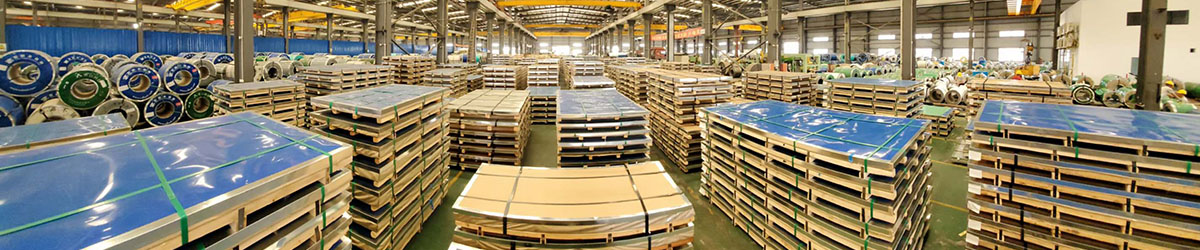
Galvanized steel pipes are steel pipes that have undergone a galvanizing process, also known as hot-dip galvanized steel pipes. Galvanizing refers to coating the surface of the steel pipe with a layer of zinc metal to protect it from oxidation and corrosion. Galvanized steel pipes are typically made from seamless or welded steel pipes. During the production process, the pipe is immersed in molten zinc, causing a chemical reaction between the steel pipe surface and the zinc to form a strong zinc layer.
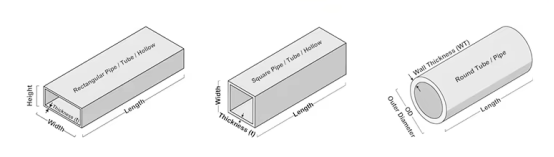
What are the product grades of galvanized pipes?
| Material grade | Yield strength standard | Applicable Scenarios | |
| Q235/Q235B | ≥235MPa | It is a common material used in general-purpose infrastructure projects in China for general-purpose construction and low-pressure fluid transportation due to its high cost-effectiveness. | |
| Q345B/Q355B/Q355C |
|
For high-load applications, such as load-bearing columns in industrial plants and heavy-duty shelving, the Q355C can withstand temperatures as low as -20°C. | |
| L245/L290/L415-X42-X80 |
|
High-pressure pipeline engineering shall comply with GB/T 9711 or API 5L international standards. | |
| L485/L555/304/316L | High strength/stainless steel material | Deep-sea pipelines, precision chemical pipelines, and other extreme corrosion or high-pressure scenarios |
Each grade of galvanized pipe is specifically designed to meet particular requirements, ensuring they perform at their best in their intended applications.
Production Process of Galvanized Pipes.
Raw Material Preparation: The main raw material for hot-dip galvanized steel pipes is ordinary carbon steel pipe. During manufacturing, it is essential to first select suitable steel and ensure its quality meets relevant standards.
Steel Pipe Pretreatment: Before hot-dip galvanizing, the steel pipes undergo a series of pretreatment processes. First, the steel pipes are pickled to remove rust, oxides, grease, and other impurities from the surface. Then, the steel pipes are cleaned to ensure surface cleanliness. This prepares the pipes for the subsequent galvanizing process.
Zincizing Process: Hot-dip galvanizing is the process of immersing the steel pipe in molten zinc, forming a zinc layer on its surface. The specific galvanizing process includes the following steps:
*Pickling: The pretreated steel pipe is immersed in an acid solution for pickling to remove surface oxides and impurities. This step helps improve the adhesion of the galvanized layer to the steel pipe surface.
*Immersion: The pickled steel pipe is immersed in a preheated ammonium chloride solution. This step helps remove oxides from the steel pipe surface and provides a good foundation for subsequent galvanizing. * Drying: The soaked steel pipes are removed from the solution and dried to remove surface moisture.
* Preheating: The dried steel pipes are placed in a preheating furnace for preheating. Controlling the preheating temperature is crucial for the subsequent galvanizing effect.
* Galvanizing: The preheated steel pipes are immersed in molten zinc. In the zinc solution, the iron on the steel pipe surface reacts with the zinc to form a zinc-iron alloy coating. This step requires careful control of the galvanizing time and temperature to ensure the uniformity and quality of the coating.
* Cooling: The galvanized steel pipes are removed from the zinc solution and cooled. The purpose of cooling is to solidify the coating and improve its adhesion.
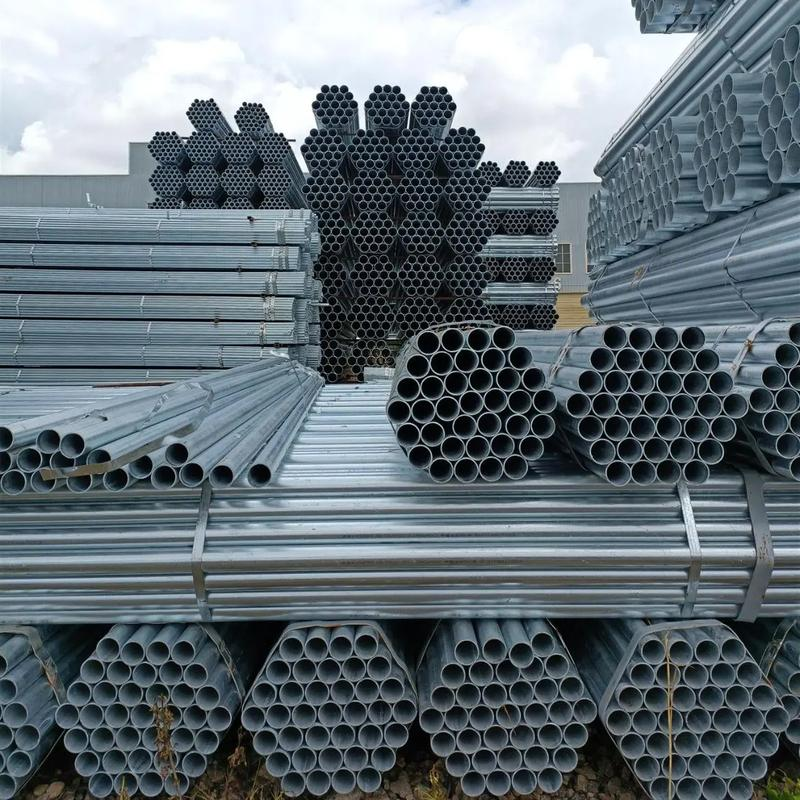
What are the application scenarios for galvanized pipes?
Building Structures: Widely used in load-bearing structures, steel structure houses, roof support frames, stair handrails, railings, scaffolding, and metal fences.
Building Supporting Facilities: In real estate development, galvanized pipes are a key material for building water supply and drainage systems, fire protection systems, gas transmission systems, heating systems, and electrical wiring protection sleeves.
Agricultural Production: Widely used in the construction of agricultural greenhouse frames, sprinkler irrigation systems, and greenhouse structures.
Livestock Farming: Used for constructing livestock fences, barns, feeding stations, and water troughs.
Fluid Transportation: Used as pipelines for transporting low-pressure fluids (such as water, gas, and oil).
Jindalai Steel Group Co., Ltd. is committed to providing high-quality galvanized pipes to meet the diverse needs of customers across various industries. Understanding the grades, manufacturing processes, standard sizes, and applications of galvanized pipes is crucial for making informed decisions in the construction and manufacturing sectors. With our expertise and unwavering commitment to quality, we are dedicated to providing you with the best galvanized steel solutions to help your projects succeed.
Post time: Jun-19-2026


