

When choosing the right galvanized steel wire for your project, understanding the differences between the various types is crucial. Jindalai Steel Group specializes in producing high-quality galvanized steel wire, including hot-dip galvanized and electro-galvanized wire. This blog will explore the key differences between these two types of wire, their suitability for humid or coastal environments, and tips for extending the lifespan of galvanized steel wire.
The core difference between hot-dip galvanized steel wire and electro-galvanized steel wire
The main difference between hot-dip galvanized steel wire and electro-galvanized steel wire lies in their coating process. Hot-dip galvanizing involves immersing the steel wire in molten zinc to form a thick, robust coating with excellent corrosion resistance. This method is particularly suitable for applications in harsh environments, making hot-dip galvanized steel wire an ideal choice for outdoor applications.
On the other hand, electro-galvanized steel wire is produced by electroplating a layer of zinc onto the surface of the steel wire. This method can create a thinner, more uniform coating and provides a certain degree of corrosion resistance. While electro-galvanized steel wire is suitable for indoor or low-humidity environments, its corrosion resistance may not be as good as that of hot-dip galvanized steel wire in humid or coastal areas.
Choose the appropriate type for humid/coastal environments
For projects in humid or coastal environments, hot-dip galvanized steel wire is recommended. The thicker zinc layer effectively prevents corrosion caused by seawater and high humidity. This durability ensures that the wire maintains its integrity and performance over a long period, making it ideal for applications such as fencing, marine engineering, and outdoor structures.
Determination of Zinc Coating Adhesion
To quickly assess the adhesion of the zinc coating on galvanized steel wire, you can perform a simple scratch test. Gently scratch the surface of the wire with a sharp object. If the zinc coating remains intact and does not peel off, it indicates good adhesion. Additionally, visual inspection can also help; a uniform, bright surface usually indicates good coating adhesion.
Prevent white rust from forming during storage
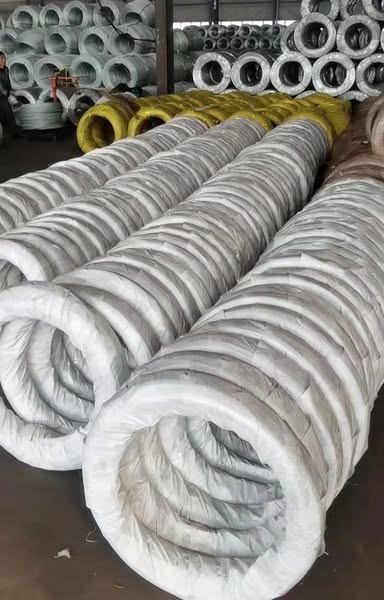
White rust is a common problem with galvanized steel wire, especially in humid environments, and is prone to occur during storage. To prevent white rust formation, galvanized steel wire must be stored in a dry, well-ventilated place. Using moisture-absorbing materials, such as silica gel desiccants, helps reduce the humidity of the storage space. In addition, applying a small amount of oil or a protective coating can form a moisture barrier, further protecting the galvanized steel wire.
In short, understanding the differences between hot-dip galvanized steel wire and electro-galvanized steel wire is crucial for making informed project decisions. As a leading manufacturer of galvanized steel wire, Jindalai Steel Group prides itself on providing products that meet the highest standards of quality and durability. Whether you need hot-dip galvanized steel wire for outdoor use or electro-galvanized steel wire for indoor use, we have the right solution for you. By following the tips outlined in this blog, you can ensure the longevity and superior performance of your galvanized steel wire, even in harsh environments.
Post time: Feb-08-2026


