

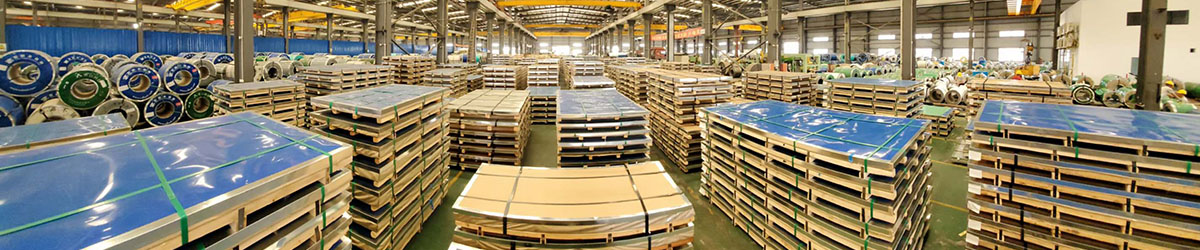
In the metalworking industry, brass strip is an indispensable key component in numerous sectors, from electronics to automotive manufacturing. Jindalai Steel Group Co., Ltd. is a leading manufacturer of high-precision brass strip, offering a range of products to meet diverse customer needs. This article will delve into commonly used brass strip grades, properties, slitting processes, surface treatment options, and customization possibilities.
Commonly used brass strip grades
Brass strips are classified into different grades based on their composition and properties. The most commonly used grades include H59, H62, H65, and H90. Each grade has unique characteristics that make it suitable for specific applications.
H59 Brass Bar
H59 brass is an alloy containing approximately 59% copper and 41% zinc. This grade is known for its excellent corrosion resistance and good mechanical properties. H59 brass strip is commonly used in applications requiring moderate strength and good ductility, such as electrical connectors and pipe fittings.
H62 Brass Bar
H62 brass is composed of approximately 62% copper and 38% zinc, and it boasts higher strength compared to H59 brass. Due to its excellent machinability and formability, H62 brass is widely used in the manufacture of precision parts such as gears and valves. Furthermore, H62 brass strip exhibits good corrosion resistance, making it suitable for outdoor applications.
H65 Brass Bar
H65 brass contains approximately 65% copper and 35% zinc, and its strength and hardness are higher than H59 and H62. This grade of brass is commonly used in applications requiring high wear resistance, such as the production of fasteners and hardware. H65 brass strip is also known for its excellent surface finish, making it ideal for decorative applications.
H90 Brass Bar
H90 brass is a high-copper alloy containing approximately 90% copper and 10% zinc. This grade of brass exhibits excellent electrical and thermal conductivity, making it ideal for electrical applications. H90 brass strip also possesses exceptional corrosion resistance, making it suitable for marine environments.
Slitting process of brass strip
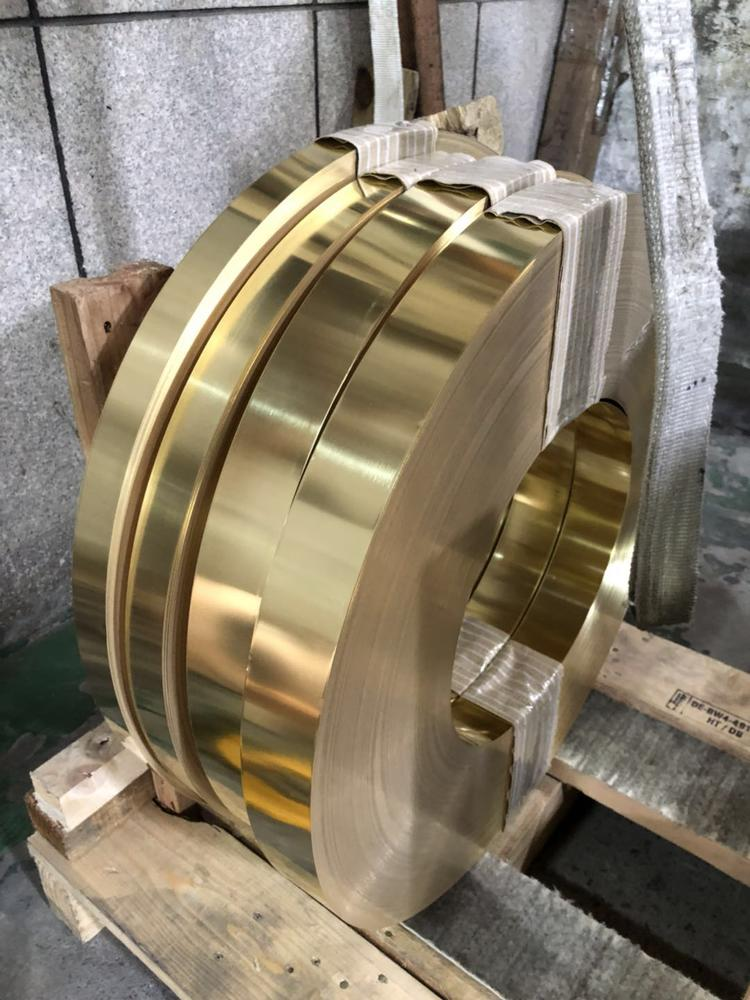
The slitting process is a crucial step in the production of high-precision brass strip. This process involves cutting a large roll of brass into narrow strips of the required width. Rotary slitting blades are typically used to ensure clean, precise cuts.
Minimum Width and Thickness
The minimum width and thickness of brass strip can vary depending on specific application requirements. Typically, brass strip can be cut to widths as narrow as 1 mm and thicknesses starting from 0.1 mm. Furthermore, Jindalai Steel Group Co., Ltd. can customize specifications according to customers’ specific needs.
Brass strip surface treatment solution
Surface treatment plays a crucial role in enhancing the performance and aesthetics of brass strips. Currently, a variety of surface treatment methods are available, including wire drawing, mirror polishing, and anodizing.
Brushed Surface
Brushed finish is achieved by mechanically polishing the surface of brass strips using an abrasive pad or brush. This process creates a textured surface, reduces reflections, and enhances the appearance of the brass strip. Brushed brass strips are commonly used in architectural decoration and ornaments.
Mirror Polishing
Mirror polishing is achieved through a series of polishing processes, ultimately creating a highly reflective surface. This polishing effect is achieved by using increasingly fine abrasives and polishing pastes. Mirror-polished brass strips are commonly used in high-end decorative applications, such as jewelry and luxury accessories.
Anodizing Surface Treatment
Anodizing is an electrochemical process that enhances the natural oxide layer on the surface of brass strips. This treatment not only improves corrosion resistance but also imparts different colors to the brass strips. Anodized brass strips can be customized in various colors, making them suitable for applications where aesthetics are paramount.
Custom options for brass strips
One of the major advantages of partnering with Jindalai Steel Group Co., Ltd. is our ability to customize brass strip to customer specifications. We offer a range of customization options, including:
Custom Colors: Brass strips can be anodized or coated to suit various specific design needs. This is especially advantageous for decorative applications where color is crucial.
Customized Surface Treatments: Customers can choose different surface treatments, such as brushed, mirror, or anodized, based on their desired aesthetic and functional characteristics.
Custom Sizes:We can produce brass strips of various widths and thicknesses to meet specific customer needs. Whether you require narrow brass strips for precision components or thick brass strips for heavy-duty applications, we can meet your requirements.
in conclusion
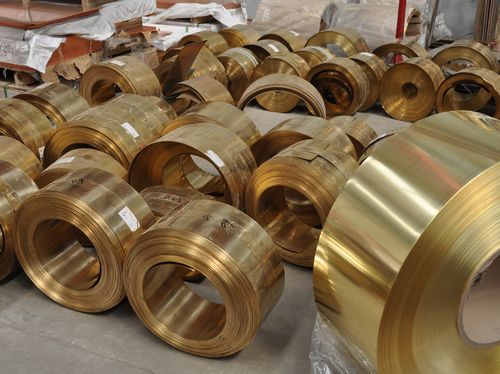
High-precision brass strip is an indispensable material across various industries, and understanding its grades, properties, and customization options is crucial for making informed decisions. Jindalai Steel Group Co., Ltd. is committed to providing high-quality brass strip to meet the unique needs of our customers. Whether you require H59, H62, H65, or H90 brass strip, or specific surface treatments and customization services, we can help you find the most suitable solution for your application. Contact us today to learn more about our products and services.
Post time: Sep-18-2026


