

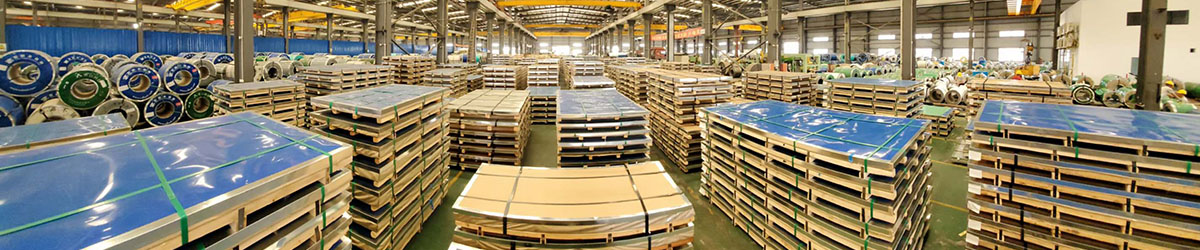
In the piping and construction sectors, material selection is crucial for ensuring durability, efficiency, and safety. Among numerous materials, pure copper pipes, especially electrolytic copper pipes, stand out due to their superior performance. Jindalai Steel Group Co., Ltd., as a leading manufacturer in the industry, focuses on producing high-quality copper pipes that meet international standards. This article will explore common grades of pure copper pipes in China, standard sizes of copper pipes, application scenarios, and the product advantages of copper pipes.
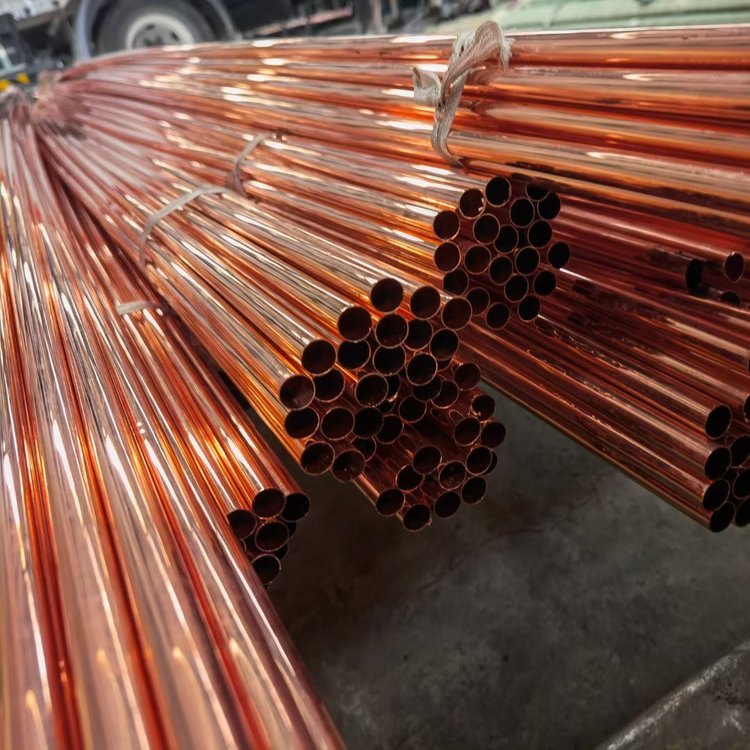
Common Grades of Pure Copper Pipes in China
When discussing pure copper tubing, understanding the different grades available on the market is crucial. In China, the most common grades of pure copper tubing include:
1. C11000 (Electrolytic Copper): This is the most widely used grade of copper pipe, known for its excellent electrical conductivity and corrosion resistance. It is commonly used in electrical applications and water supply and drainage systems.
2. C10200 (Oxygen-Free Copper): This grade is characterized by its low oxygen content, which improves its ductility and thermal conductivity. It is ideal for applications requiring high thermal and electrical properties.
3. C12000 (Phosphorus-Deoxidized Copper): This grade of copper contains a small amount of phosphorus, which improves its oxidation resistance and mechanical properties. It is often used in applications requiring high strength.
4. C12200 (Deoxidized Copper): Similar to C12000, this grade of copper undergoes deoxidation treatment to improve its performance in high-temperature applications. It is commonly used in the manufacture of heat exchangers and other industrial equipment.
These ratings are crucial to ensuring that copper pipes meet the specific requirements of a wide range of applications, from residential piping to industrial uses.
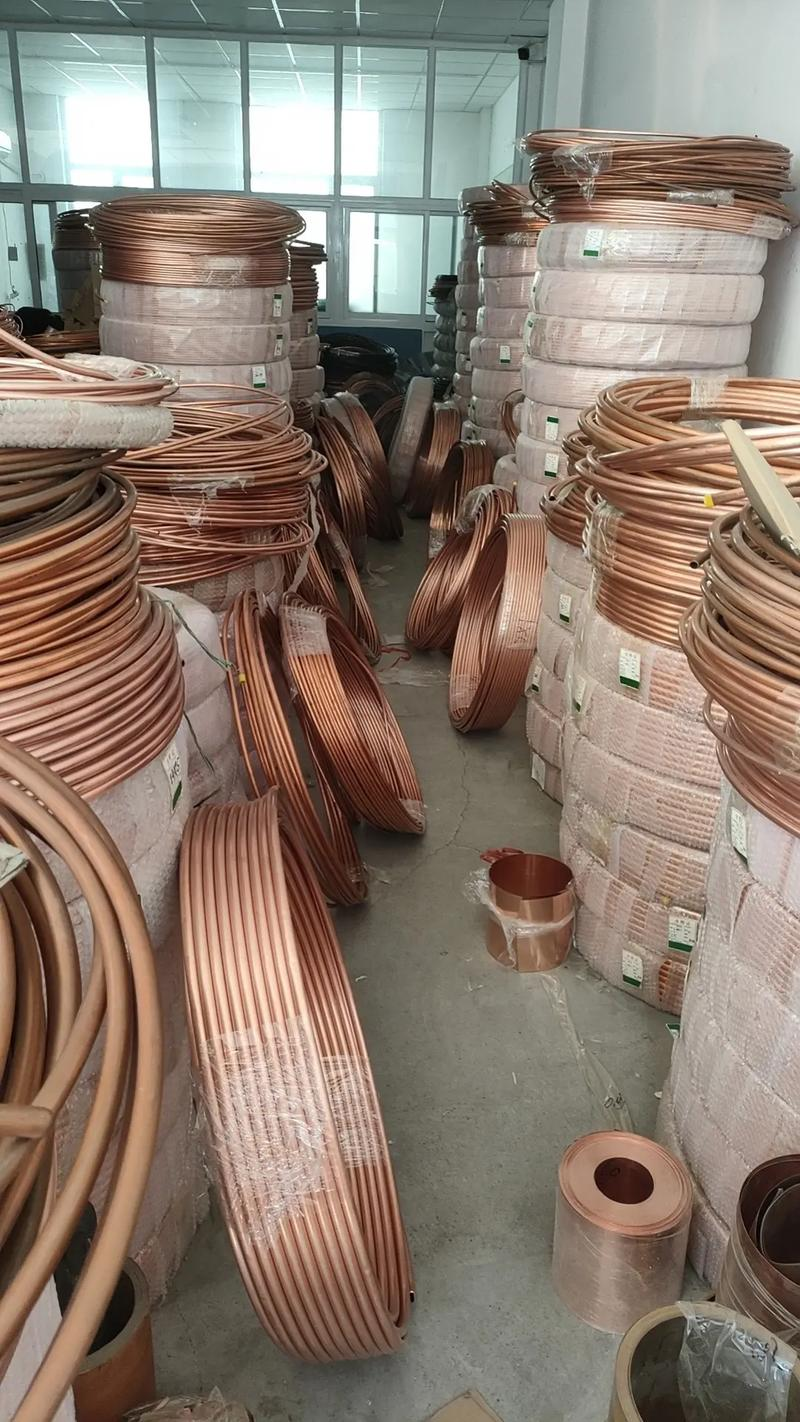
Standard Copper Pipe Dimensions
Copper tubing is available in a variety of sizes to meet different application needs. Standard copper tubing sizes are generally divided into two categories: K-type and L-type.
K-type copper tubing: This type of copper tubing has the thickest walls and is suitable for underground installations and high-pressure applications. Its diameter ranges from 1/4 inch to 12 inches.
- L-shaped copper pipe: This type of copper pipe has a moderate wall thickness and is commonly used in residential plumbing and heating systems. Its diameter ranges from 1/4 inch to 8 inches.
In addition to the types mentioned above, copper tubing is also available in various lengths, typically between 10 and 20 feet. The choice of size and type depends on the specific requirements of the project, including pressure rating and installation conditions.
Application scenarios of copper pipes
Copper tubing has a wide range of applications and can be used in various scenarios. Some common applications include:
1. Water Supply and Drainage Systems: Copper pipes are widely used in residential and commercial water supply and drainage systems due to their durability and corrosion resistance. They are ideal for conveying hot and cold water as well as for drainage systems.
2. Heating Systems: Copper pipes are commonly used in heating systems, including radiators and underfloor heating. Their excellent thermal conductivity ensures efficient heat transfer, making them the preferred material for HVAC applications.
3. Refrigeration: In refrigeration systems, copper pipes are used to transport refrigerant. Copper pipes can withstand high pressure and low temperature, making them ideal for refrigeration.
4. Electrical Wiring: Due to their high conductivity, copper conduits are commonly used in electrical wiring and grounding systems. They provide reliable connections and help prevent electrical faults.
5. Industrial Applications: Copper tubing is also widely used in various industrial sectors, including heat exchangers, chemical processing, and food and beverage production. Its corrosion resistance and high-temperature resistance make it ideal for these environments.
Advantages of copper pipes
Copper tubing has many advantages, making it the preferred material for various applications:
1. Durability: Copper tubing is renowned for its long service life, typically lasting over 50 years. It is corrosion-resistant, rust-proof, and scale-resistant, ensuring long-term reliable performance.
2. Thermal Conductivity: Copper has excellent thermal conductivity, making it an ideal material for heating and cooling applications. It enables efficient heat transfer, thereby reducing energy costs.
3. Antibacterial Properties: Copper possesses natural antibacterial properties, helping to prevent the growth of bacteria and other pathogens. This makes copper pipes a safe choice for piping systems, especially suitable for healthcare settings.
4. Recyclability: Copper is a highly recyclable material, making it an environmentally friendly choice. Recycled copper retains its quality and can be reused in a variety of applications, thus reducing waste.
5. Ease of Installation: Copper pipes are lightweight and flexible, making installation relatively simple. They are easy to cut and can be connected using welding techniques, making them ideal for plumbers and contractors.
In summary, pure copper pipes, including electrolytic copper pipes, are ideal for a wide range of applications due to their durability, thermal conductivity, and antibacterial properties. Jindalai Steel Group Co., Ltd. is committed to providing high-quality copper pipes that meet the diverse needs of its customers. Understanding the common grades, standard sizes, applications, and advantages of copper pipes will help you make informed decisions in your piping and construction projects. Whether you are a contractor, plumber, or homeowner, investing in high-quality copper pipes ensures your piping systems are durable and operate efficiently.
Post time: Aug-19-2026


