

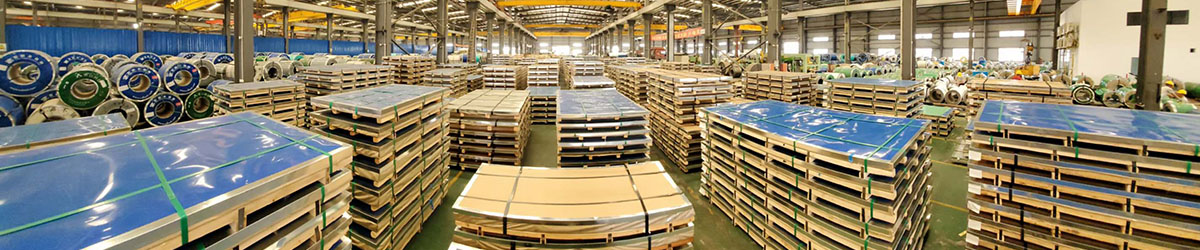
Stainless steel bars are indispensable components across various industries, renowned for their durability, corrosion resistance, and versatility. Jindalai Steel Group Co., Ltd. specializes in providing a wide range of stainless steel products, including round, square, hexagonal, and flat bars. This blog will explore the various shapes of stainless steel bars, their manufacturing processes, surface treatments, classifications, and applications.
Available shapes of stainless steel bars
Stainless steel bars are available in a variety of shapes to meet diverse industrial needs. The most common shapes include round, square, hexagonal, and flat bars. Each shape has its specific application; for example, round bars are often used to manufacture components requiring high tensile strength and flexibility. Square bars are ideal for structural applications, while hexagonal bars are commonly used in the production of fasteners and fittings. Flat bars have a wide range of applications, including manufacturing, construction, and as base plates. Jindalai Steel Group Co., Ltd. offers a complete range of stainless steel bars, ensuring our customers can find the ideal product for their specific applications.
Stainless steel production process
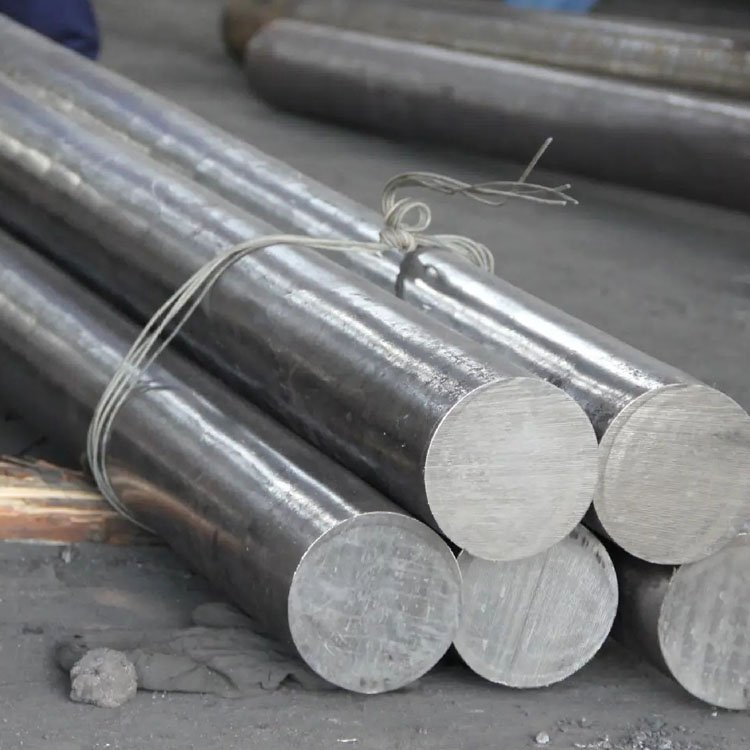
The production of stainless steel bars involves several key processes, the first being the selection of raw materials. The main components of stainless steel include iron, chromium, nickel, and other alloying elements. The production process begins by melting these raw materials in an electric arc furnace, heating them to a high temperature to form molten steel. After melting, the molten steel undergoes a casting process, pouring it into molds to create semi-finished products called billets. Depending on the desired final shape and size, these billets need to be hot-rolled or cold-drawn. Hot rolling involves heating the billet and rolling it through rolls to achieve the desired thickness; while cold drawing is carried out at room temperature to improve the mechanical properties of the steel.
Stainless steel surface treatment
Surface treatment plays a crucial role in enhancing the performance and aesthetics of stainless steel bars. Various surface treatment methods are used to improve their corrosion resistance, surface finish, and overall durability. Common surface treatment methods include pickling, passivation, and polishing. Pickling uses acidic solutions to remove impurities and oxides from the surface; passivation enhances the protective effect of the natural oxide layer on the stainless steel surface, preventing corrosion; and polishing makes the surface smooth and shiny, improving the visual appeal of the bars. Jindalai Steel Group Co., Ltd. ensures that all its stainless steel bars undergo rigorous surface treatment to meet industry standards and customer expectations.
Classification of stainless steel
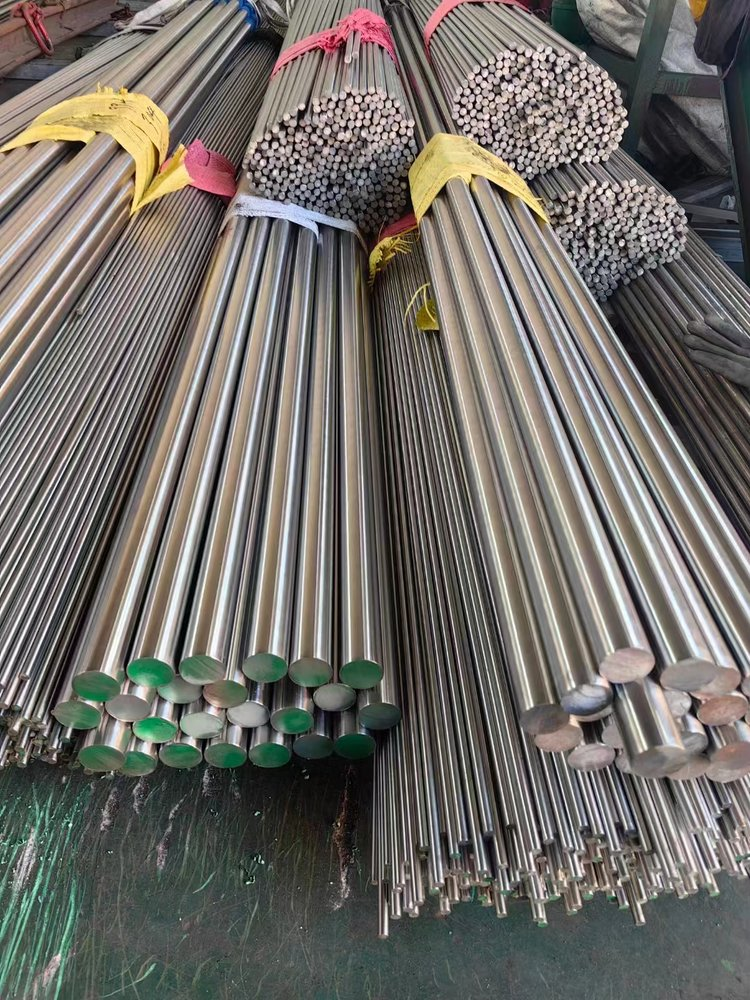
Stainless steel can be classified into several types based on its composition and microstructure. The most common classifications include austenitic stainless steel, ferritic stainless steel, martensitic stainless steel, and duplex stainless steel. Austenitic stainless steels, such as 304 and 316, are known for their excellent corrosion resistance and formability, making them ideal for a wide range of applications. Ferritic stainless steels, such as 430, have good resistance to stress corrosion cracking but poor ductility. Martensitic stainless steels, such as 410, are known for their high strength and hardness, making them suitable for applications requiring wear resistance. Duplex stainless steel combines the properties of austenitic and ferritic stainless steels, offering even greater strength and corrosion resistance. Understanding these classifications is crucial for selecting the appropriate stainless steel bars for specific applications.
Applications of stainless steel
Stainless steel bars are widely used across various industries due to their unique properties. In construction, stainless steel round and square bars are commonly used in structural components, providing strength and stability for buildings and bridges. In the automotive industry, stainless steel bars are used to manufacture components requiring extremely high corrosion resistance, such as exhaust systems, fuel tanks, and chassis parts. The food and beverage industry also relies on stainless steel bars to manufacture equipment and machinery to ensure compliance with hygiene and safety standards. Furthermore, stainless steel bars are widely used in the medical field for manufacturing surgical instruments and implants, where biocompatibility and corrosion resistance are crucial. Other applications include marine environments, chemical processing, and the oil and gas industry, where the durability and tolerance to harsh environments of stainless steel are paramount.
in conclusion
In summary, stainless steel bars are an essential component of numerous industries, with a wide variety of shapes, manufacturing processes, surface treatments, and classifications. Jindalai Steel Group Co., Ltd. is committed to providing high-quality stainless steel products, including round, square, hexagonal, and flat bars, to meet the diverse needs of its customers. By understanding all aspects of stainless steel bars, including their applications and manufacturing methods, businesses can make informed decisions when selecting the right material for their projects. Whether you are in construction, automotive, food processing, or any other industry, Jindalai Steel Group Co., Ltd.’s stainless steel bars are designed to provide you with superior performance and reliability.
Post time: Aug-07-2026


