

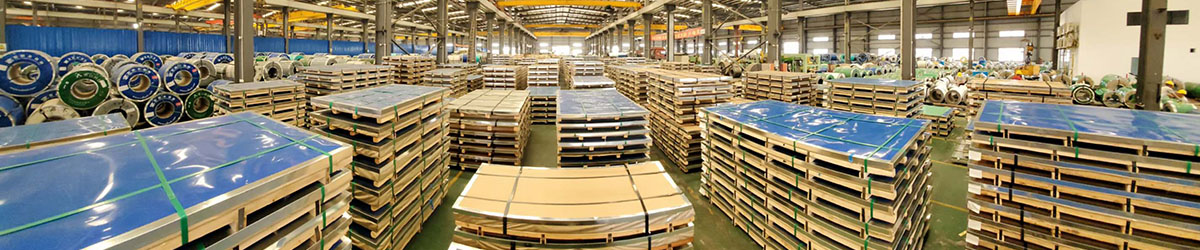
In the metals industry, stainless steel is renowned for its durability, corrosion resistance, and versatility. Stainless steel bars—particularly round and square bars—serve as indispensable components across a wide range of sectors.
Rather than a single material, stainless steel is a broad family encompassing dozens of grades, such as 304, 316L, 310S, and 440C. These grades differ significantly in terms of corrosion resistance, heat resistance, and hardness; therefore, the appropriate grade must be selected based on the specific operating conditions.
The Difference Between Stainless Steel Bars and “Stainless Iron”
The core distinction between stainless steel bars and so-called “stainless iron” lies in their nickel content: the former typically refers to austenitic stainless steels that contain both chromium and nickel (such as 304 or 316), while the latter consists of ferritic or martensitic stainless steels that contain chromium but virtually no nickel (such as 430 or 410). Materials that exhibit magnetism are generally “stainless iron,” whereas conventional stainless steel bars are either weakly magnetic or non-magnetic.
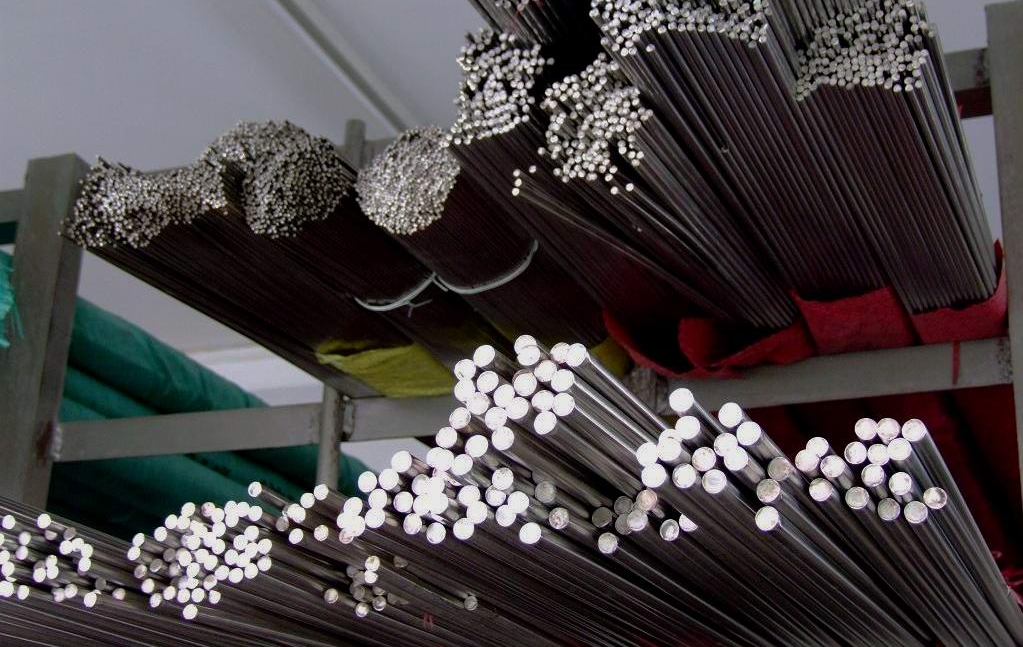
Surface treatment of stainless steel bars
Surface treatment of stainless steel bars plays a crucial role in their application and aesthetics. Here are some common surface treatment methods:
1. Raw Material Surface Treatment: This is the most basic surface treatment method, characterized by a rough surface that has not undergone any treatment or polishing. It is typically used for structural applications where aesthetics are not a primary concern.
2. Brushed Surface Finish: This surface finish method involves polishing the surface with fine abrasives to achieve a smooth, matte texture. It is commonly used in architectural applications.
3. Mirror polishing: As the name suggests, this surface treatment process uses fine polishing to create a highly reflective gloss. It is often used for decorative purposes and high-end products.
4. Acid Pickling Surface Treatment: This surface treatment method uses acid to treat stainless steel, removing surface impurities and giving it a clean and uniform appearance. It is commonly used in food processing and medical fields.
5. Electropolishing:This is an advanced surface treatment process that improves corrosion resistance and cleanliness by removing a thin layer of material from the surface. It is commonly used in the pharmaceutical and food processing industries.
Understanding Stainless Steel Pricing: Taking “304 Φ20″ as an Example
When purchasing stainless steel bars, you may encounter specifications like “304 Φ20″. This notation indicates the grade and size of the bar. “304″ refers to the grade of stainless steel, which is known for its excellent corrosion resistance and formability. “Φ20″ indicates the diameter of the round bar, which is 20 millimeters.
However, providing only this information may not be sufficient to fully understand pricing. Factors such as the length of the bar, surface finish, and any additional processing (e.g., cutting or machining) can significantly affect the final price. Therefore, providing complete specifications is crucial when inquiring about stainless steel bar prices.
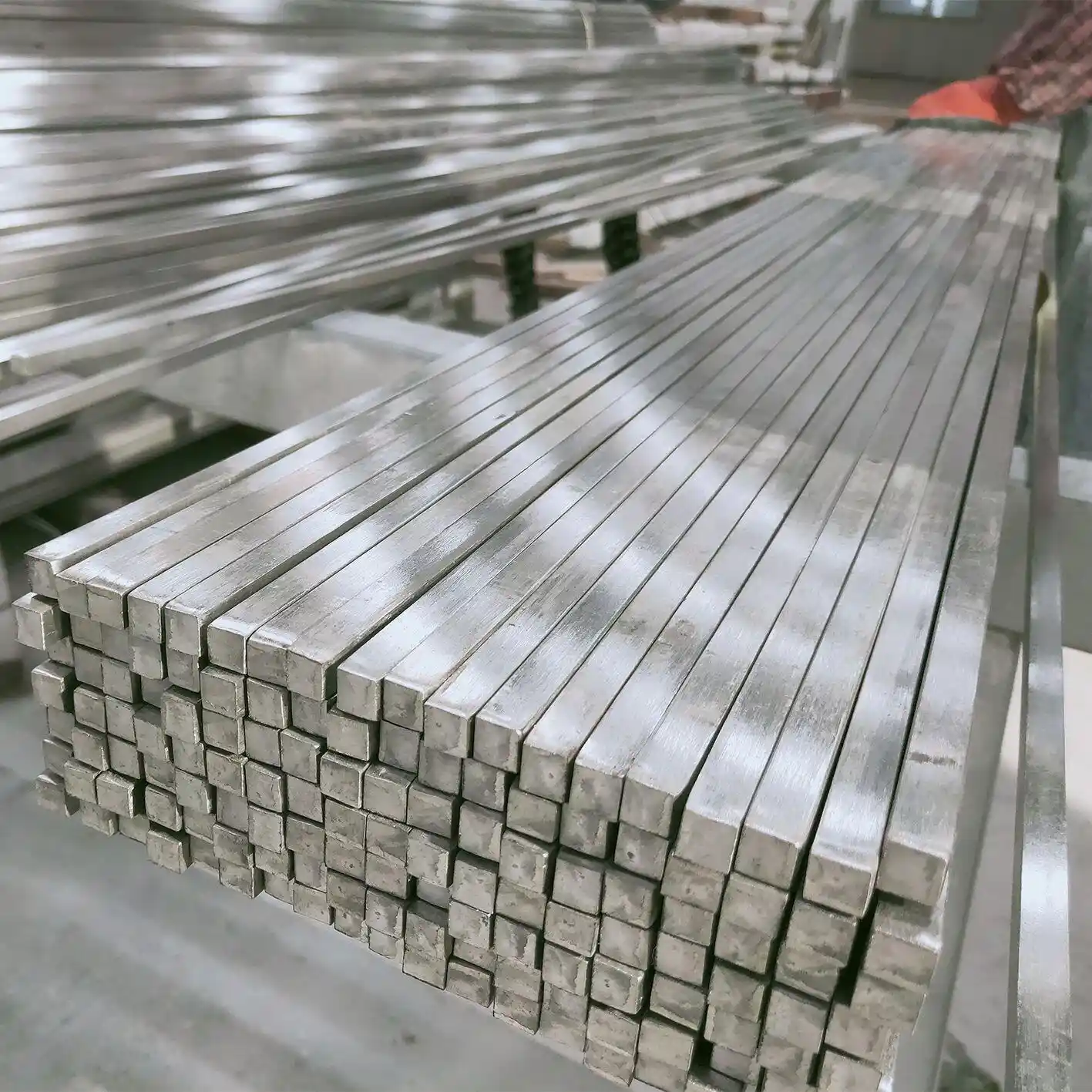
Stainless Steel Series Classification: 200, 300, and 400 Series
Stainless steel is generally categorized based on its composition and microstructure into three primary groups: the 200 series (chromium-nickel-manganese austenitic stainless steel), the 300 series (chromium-nickel austenitic stainless steel), and the 400 series (ferritic and martensitic stainless steel). These categories are clearly distinguished by their alloying elements, performance characteristics, and typical applications.
200 Series Stainless Steel
The 200 series consists of chromium-nickel-manganese austenitic stainless steels. Their defining feature is the use of manganese and nitrogen to replace a portion of the nickel, making them “nickel-saving” (or low-nickel) stainless steels.
Typical grades: 201, 202, etc. Grade 201 contains approximately 17% chromium and 5% nickel, while grade 202 has a slightly higher nickel content.
Key characteristics: Higher room-temperature strength than the 304 grade; good oxidation resistance at temperatures up to 800°C; non-magnetic (cannot be attracted by a magnet).
Common applications: Frequently used for decorative tubing, industrial piping, and shallow-drawn products; commonly found in architectural decoration, standard kitchen and bathroom fixtures, and other cost-sensitive applications.
300 Series Stainless Steel
The 300 series consists of chromium-nickel austenitic stainless steels. This is the most widely used category; it has the highest nickel content of the three series, meaning its price is most significantly affected by fluctuations in the cost of nickel.
Typical grades:
304: A general-purpose 18/8 stainless steel (18% chromium, 8% nickel). It is the most widely used, foundational grade across the industry, with an operating temperature range of -196°C to 800°C.
304L: A low-carbon version of 304, offering superior resistance to intergranular corrosion after welding.
316, 316L: Contain added molybdenum, which significantly enhances resistance to chloride-induced corrosion. Often referred to as “marine-grade” steel, these are suitable for marine environments, the food industry, and surgical instruments.
321: Contains added titanium, which reduces the risk of corrosion at weld seams; otherwise, its properties are similar to those of 304. 309S and 310S: High-heat-resistant grades. They offer significantly better high-temperature performance than 304 and are primarily used in applications such as boilers and high-temperature furnace linings.
Key characteristics: Non-magnetic, with an excellent combination of corrosion resistance and formability. Certain low-carbon variants offer superior performance in welding applications.
Common applications: Widely used across a broad range of mid-to-high-end industrial and consumer sectors, including food processing, medical equipment, chemical machinery, home appliances, kitchenware, and construction materials.
400 Series Stainless Steel
The 400 series consists of ferritic and martensitic stainless steels. Containing no nickel, these are often colloquially referred to as “stainless iron” within the industry and are magnetic.
Typical grades:
409: A low-cost ferritic grade, frequently used for automotive exhaust pipes.
410 and 420: High-strength martensitic chromium steels. They offer good wear resistance but relatively lower corrosion resistance; commonly used for cutlery and surgical instruments.
430: A ferritic grade used for decorative purposes. It features good formability and is often found in automotive trim and architectural decorative components.
440 Series: High-strength cutlery steels. After heat treatment, they can reach a hardness of up to 58 HRC, making them among the hardest types of stainless steel; a common application is razor blades.
Key characteristics: Nickel-free and lower in cost than the 300 series. Some grades can be hardened via heat treatment, though their overall corrosion resistance is inferior to that of the 300 series.
Common applications: Used for wear-resistant components, decorative parts, cutlery, and kitchenware—applications where cost is a factor and extreme corrosion resistance is not required. Compliant 400 series products can also meet food-grade certification standards.
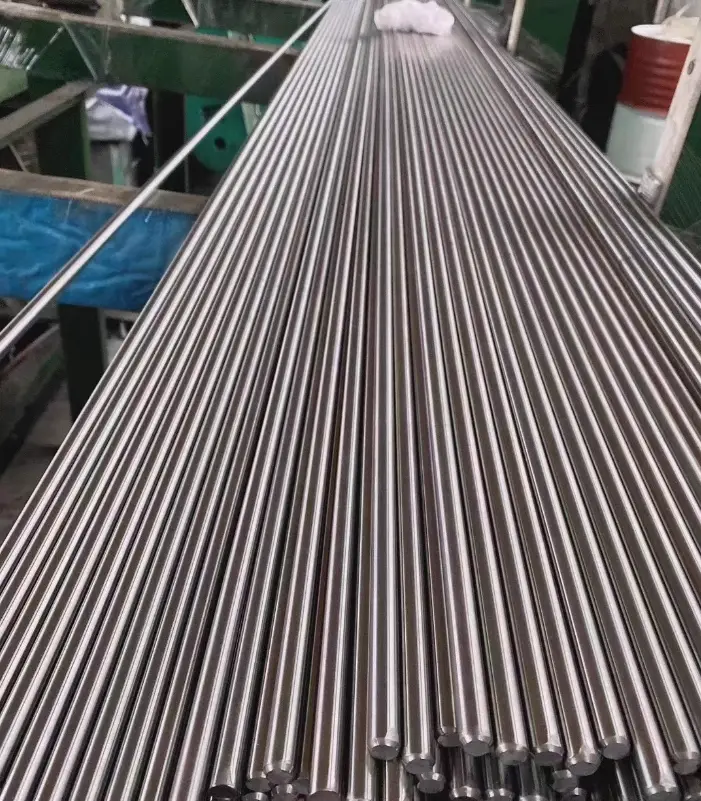
In summary, understanding the details surrounding stainless steel bars—including the distinction between true stainless steel and “stainless iron,” the various surface treatment processes, and the differences between bars, wire, and pipes—is essential for making informed purchasing decisions. Jindalai Steel Group is dedicated to providing customers with high-quality, customized stainless steel products. Whether you require stainless steel round bars, square bars, or products in other shapes, we are ready to assist you.
Post time: Oct-21-2026


