

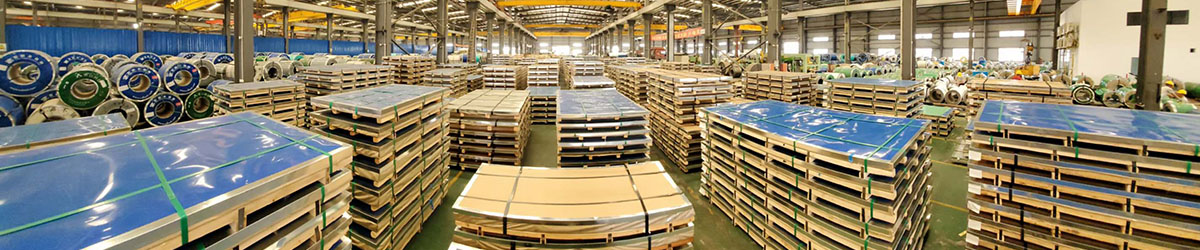
Stainless steel strip is an indispensable component across various industries, renowned for its durability, corrosion resistance, and aesthetic appeal. Jindalai Steel Group Co., Ltd. is a leading manufacturer in the steel industry, specializing in producing high-quality stainless steel strip to meet diverse industrial needs. This blog will delve into the production process, grades, surface characteristics, and manufacturing techniques of stainless steel strip, providing a comprehensive overview of this important product.
Stainless steel strip manufacturing process
The production of stainless steel strip begins with the selection of raw materials, primarily stainless steel scrap and alloying elements. The first step is to melt these materials at a high temperature in an electric arc furnace (EAF), typically around 1600 degrees Celsius. This process ensures that the molten steel has a uniform composition and is free of impurities. After the molten steel is melted, it is cast into slabs or billets, and then processed into strips.
After the billet is cast, it needs to be hot-rolled, which involves heating and rolling it through a series of rolls to the desired thickness. This process not only reduces the thickness of the steel but also improves its mechanical properties. After the hot-rolled steel strip cools, it needs to undergo subsequent processing, including cold rolling, to further refine the thickness and improve the surface finish. Cold rolling is a key step in the production of stainless steel strip because it allows for tighter tolerances and superior surface quality.
Stainless steel strip product grades
Stainless steel strip comes in various grades, each designed for specific applications and environments. The most common grades include 304, 316, and 430. 304 is an austenitic stainless steel known for its excellent corrosion resistance and formability, making it suitable for kitchen equipment and food processing applications. 316 is also an austenitic stainless steel, but due to the addition of molybdenum, it offers even better corrosion resistance, especially in marine environments. This grade is commonly used in the chemical processing and pharmaceutical industries.
On the other hand, Type 430 stainless steel is a ferritic stainless steel with good corrosion resistance and is commonly used in the automotive and construction industries. Each grade has its own national and international standards, such as ASTM A240 in the United States and EN 10088 in Europe. Understanding these grades and their specifications is crucial for industries that require stainless steel strips with specific properties.
Surface characteristics of stainless steel strip
The surface properties of stainless steel strip play a crucial role in its functionality and aesthetics. Stainless steel strip can be treated with various surface finishes, including 2B, BA, and No. 4. 2B surface finish, achieved through cold rolling, annealing, and pickling, produces a smooth, reflective surface, ideal for applications with high aesthetic requirements. BA (smooth annealed) surface finish, achieved through controlled annealing, creates a highly reflective surface and is commonly used in decorative applications.
Surface treatment #4, also known as brushed finish, is characterized by a fine, parallel texture, giving the surface a unique feel. This finish is commonly used in the construction industry because it combines aesthetics and functionality. Understanding the various surface characteristics of stainless steel strips is crucial for selecting the right product for a specific application.
Manufacturing process of stainless steel strip
The manufacturing process of stainless steel strip involves several key steps, each playing a crucial role in the quality and performance of the final product. After initial melting and casting, hot rolling is essential for shaping the steel into strip. Following hot rolling is cold rolling, which further refines the thickness and improves surface finish. Cold rolling is typically performed at room temperature, allowing for better control over the final dimensions and properties of the stainless steel strip.
After cold rolling, the steel strip undergoes annealing, a heat treatment process that eliminates internal stress and improves ductility. Annealing is crucial for obtaining the desired mechanical properties, especially for applications requiring bending or forming. After annealing, the steel strip is pickled to remove the oxide layer and scale formed during rolling. This step ensures a clean surface for the steel strip, preparing it for subsequent processing or finishing.
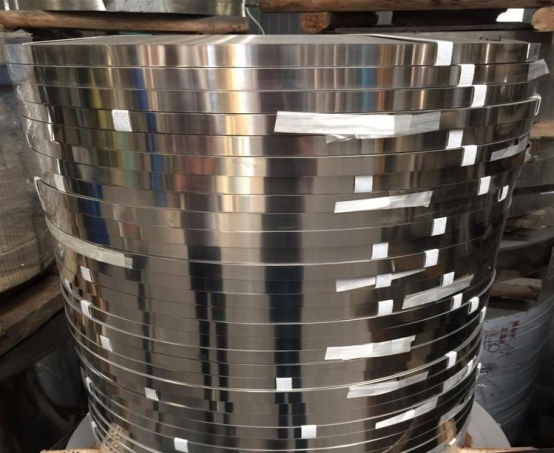
Finally, the stainless steel strip may undergo other processing steps, such as slitting (cutting it into narrower widths) and surface treatment (to improve its appearance and performance). Quality control measures are implemented throughout the production process to ensure that the stainless steel strip meets the required specifications and standards.
in conclusion
In conclusion, stainless steel strip is an essential component of various industries, and understanding its production processes, grades, surface properties, and manufacturing procedures is crucial for selecting products suitable for specific applications. Jindalai Steel Group Co., Ltd., as a reputable manufacturer, provides high-quality stainless steel strip that meets domestic and international standards. By gaining a deeper understanding of the complexities of stainless steel strip, industries can make informed decisions, thereby improving operational efficiency and product supply. Whether in construction, automotive, or food processing applications, stainless steel strip remains an ideal choice due to its versatility and superior performance.
Post time: Jul-06-2026


