

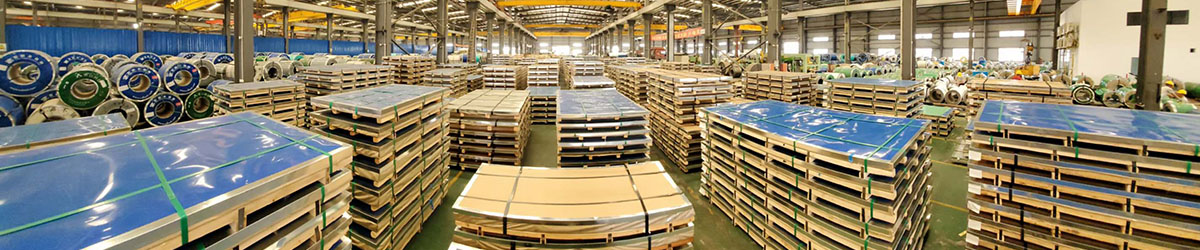
Sheet piles are an indispensable component of modern building and civil engineering projects. They provide structural support, retaining walls, and effectively resist erosion from water and other environmental factors. Jindalai Steel Group Co., Ltd. is a leading manufacturer in the steel industry, specializing in various types of sheet piles, including Larsen sheet piles, U-shaped sheet piles, hot-rolled sheet piles, and cold-formed sheet piles. This blog will explore the different types of sheet piles, the materials used in their production, manufacturing processes, and their various applications.
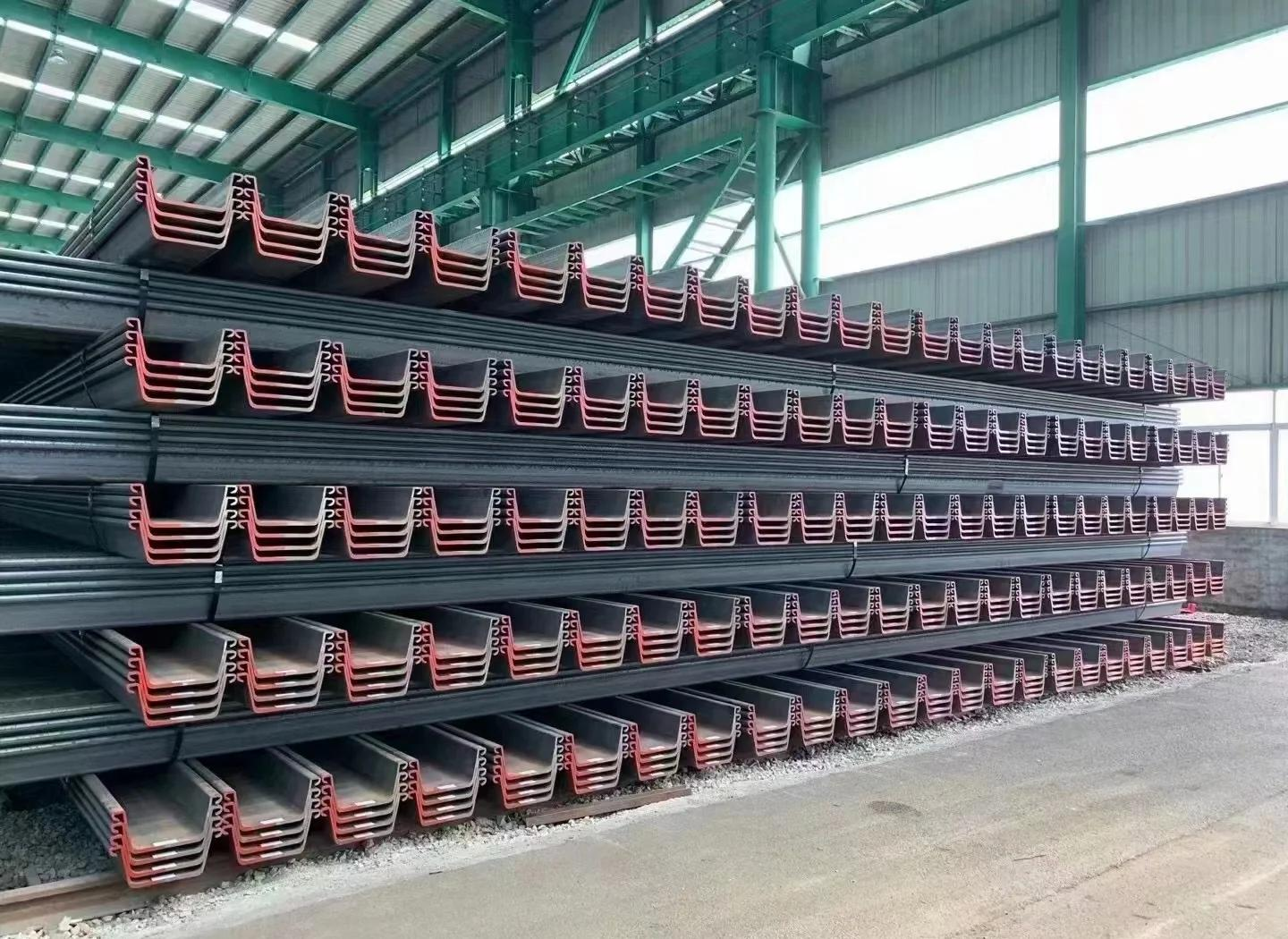
Types of steel sheet piles
Steel sheet piles can be classified according to their shape, manufacturing process, and application. The main types are as follows:
1. Larsen Sheet Piles: Named after its inventor, Larsen sheet piles are characterized by their interlocking design, providing excellent resistance to lateral loads. They are commonly used in deep foundation excavation, waterfront structures, and retaining walls.
2. U-shaped sheet piles: These sheet piles have a U-shaped cross-section, which facilitates interlocking and provides high structural integrity. U-shaped sheet piles are commonly used in applications requiring high bending strength, such as bridge abutments and flood control systems.
3. Hot-rolled steel sheet piles: Hot-rolled steel sheet piles are made of high-temperature rolled steel and are known for their strength and durability. Because they can withstand harsh environmental conditions, they are widely used in marine engineering, including dock and port construction.
4. Cold-formed sheet piles: Unlike hot-rolled sheet piles, cold-formed sheet piles are manufactured at room temperature, resulting in lighter and thinner products. They are commonly used in applications where weight is a concern, such as temporary structures and lightweight retaining walls.
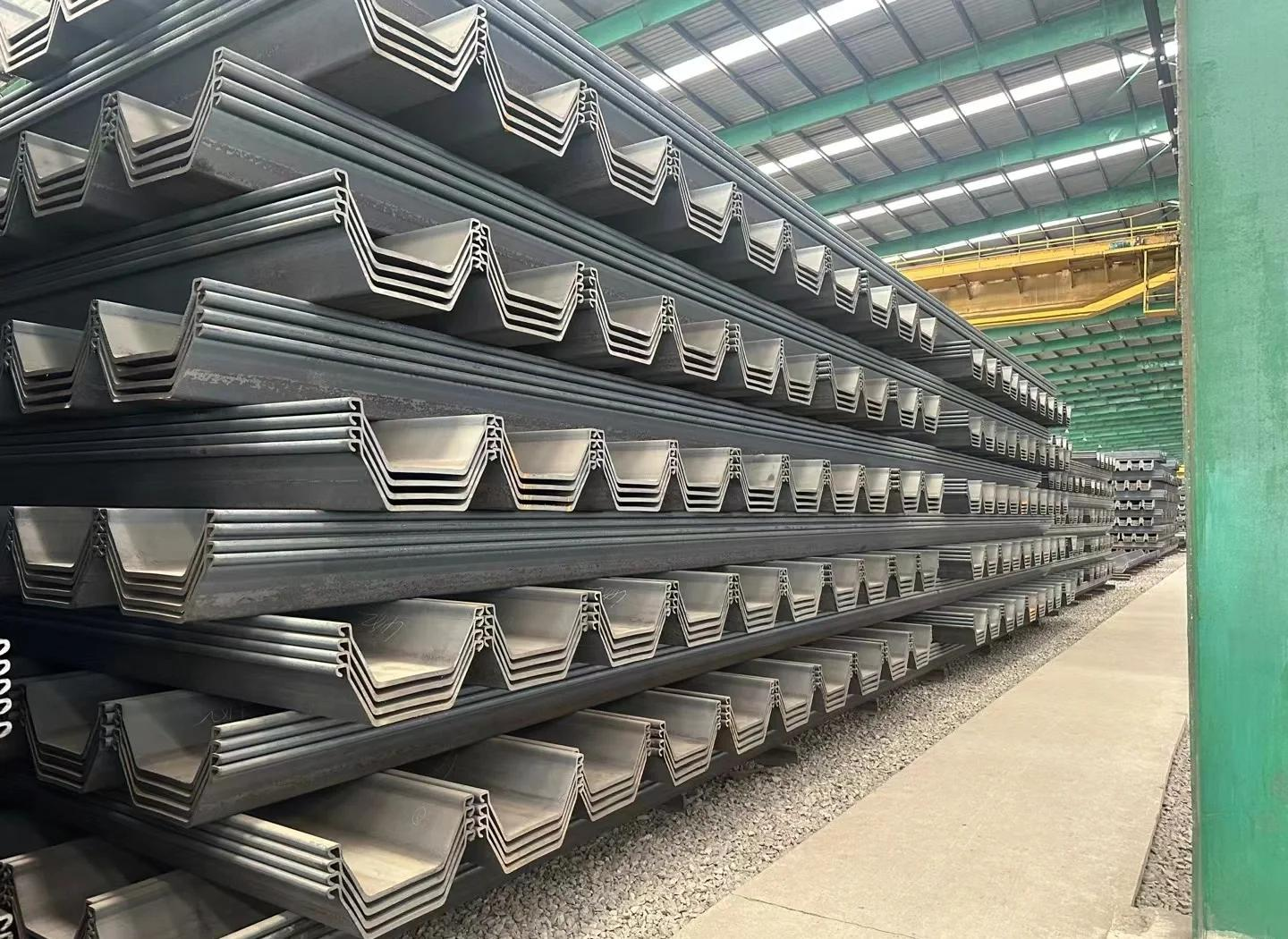
Common materials for steel sheet piles
The primary material for manufacturing steel sheet piles is steel, which possesses high tensile strength and durability. The specific type of steel used depends on the intended use and environmental conditions. Commonly used materials include:
Carbon steel is the most commonly used material for sheet piles due to its excellent mechanical properties and cost-effectiveness. Carbon steel sheet piles can be treated with protective coatings to improve their corrosion resistance.
Alloy Steel: For applications requiring higher strength and wear resistance, alloy steel can be used. This type of steel contains other elements such as chromium or nickel, which can improve its performance in harsh environments.
- Corrosion-resistant steel: In marine or corrosive environments, stainless steel or specially coated steel can be used to prevent rust and aging. These materials ensure the service life of sheet piles under harsh conditions.
Steel sheet pile production process
The production of sheet piles involves several key processes, which vary depending on the type of sheet pile being manufactured:
1. Steelmaking and casting: This process begins with melting pig steel in a furnace and casting it into billets or ingots, which are then processed into steel plates.
2. Hot rolling: In the production process of hot-rolled steel sheet piles, cast steel is heated and rolled through rolls to the required thickness and shape. This process improves the strength and ductility of the material.
3. Cold Forming: Cold forming of sheet piles refers to forming steel sheets at room temperature using a roller press or pressure press. This method allows for the production of lighter and thinner profiles.
4. Cutting and Finishing: After forming, the steel sheet piles are cut to the required length and undergo finishing processes such as surface treatment and coating to improve their corrosion resistance and aesthetics.
5. Quality Control: Strict quality control measures are implemented throughout the production process to ensure that the steel sheet piles meet industry standards and specifications.
Applications of steel sheet piles
Steel sheet piles have a wide range of applications and can be used in various fields, including:
Retaining Walls: Sheet piles are commonly used to construct retaining walls to block soil and prevent erosion. Their interlocking design provides stability and strength.
- Waterfront Structures: In marine engineering construction, sheet piles are used to build wharves, piers, and breakwaters. They provide essential support and protection against water intrusion.
- Deep foundation pit excavation: In urban construction projects, sheet piles are often used to support deep foundation pits to ensure the safety of workers and the integrity of the surrounding structures.
- Flood Control: Steel sheet piles can be used to build dikes and flood barriers to protect communities from rising water levels and storm surges.
- Temporary Structures: In some cases, sheet piles are used for temporary purposes, such as for support and reinforcement in building construction.
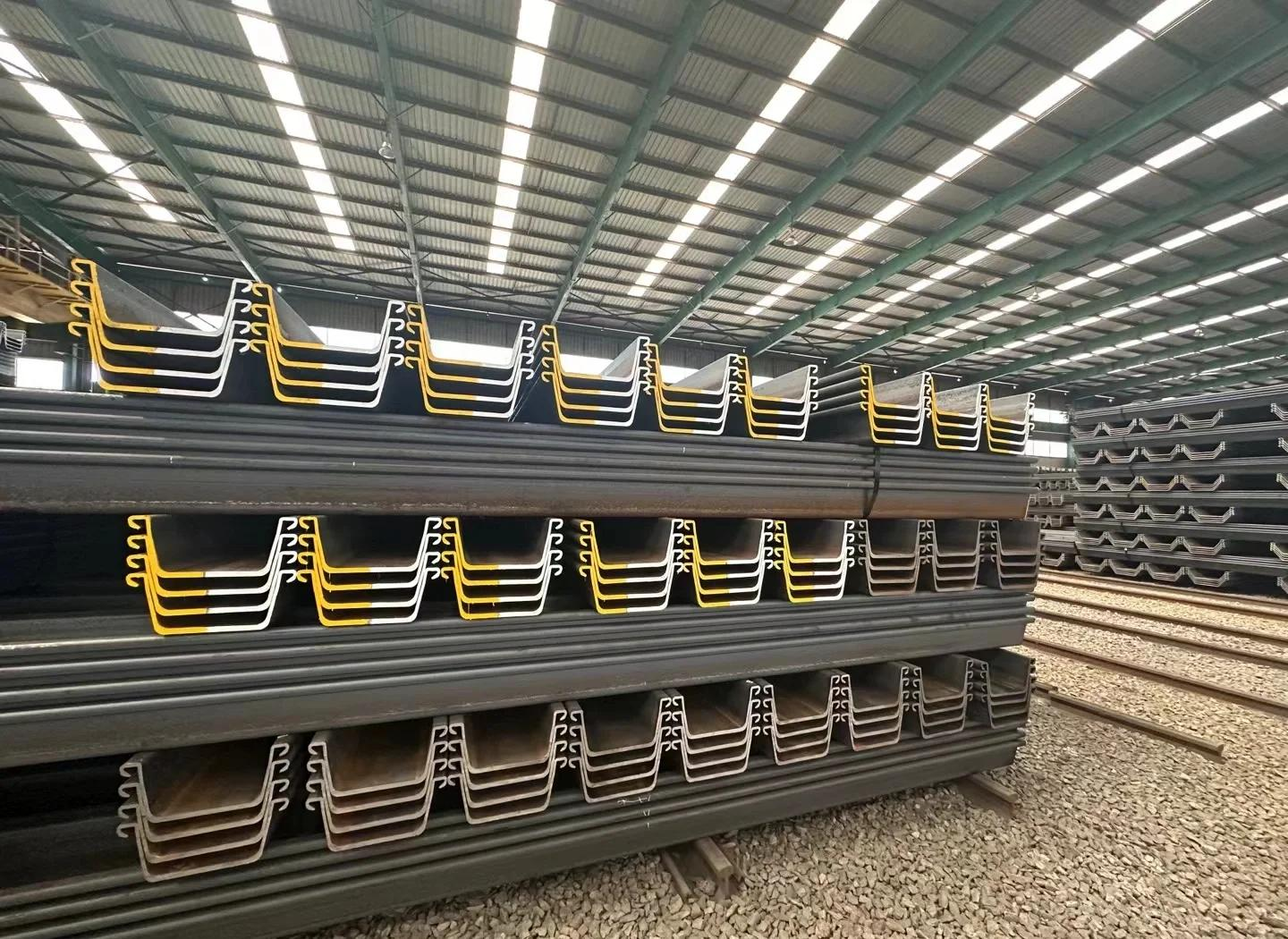
In summary, sheet piles are an indispensable and critical component in various building and civil engineering projects. Jindalai Steel Group Co., Ltd. offers a variety of sheet piles, including Larsen type, U-type, hot-rolled, and cold-formed types, to meet the specific needs of different application areas. For engineers and contractors looking to implement efficient and durable solutions in their projects, understanding the types, materials, manufacturing processes, and uses of sheet piles is essential.
Post time: Jul-15-2026


