

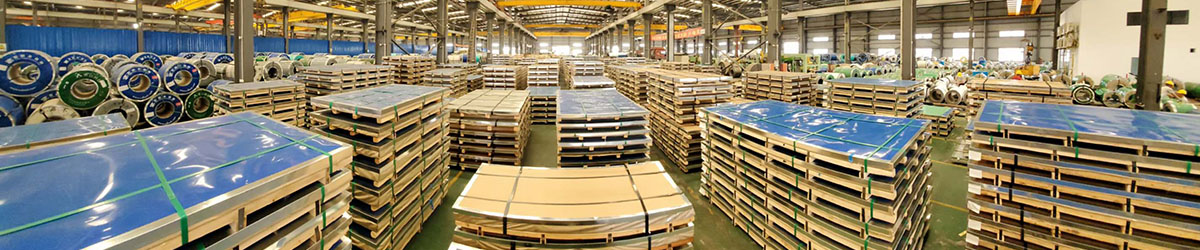
Steel wire is an indispensable component of various industries, playing a vital role in numerous fields due to its high strength, durability, and wide range of applications. Jindalai Steel Group Co., Ltd. is a leading manufacturer in this field, specializing in the production of various steel wire products, including galvanized steel wire, stainless steel wire, carbon steel wire, and iron wire. This blog will explore the different materials used in steel wire products, their practical applications, manufacturing processes, and various derivative products.
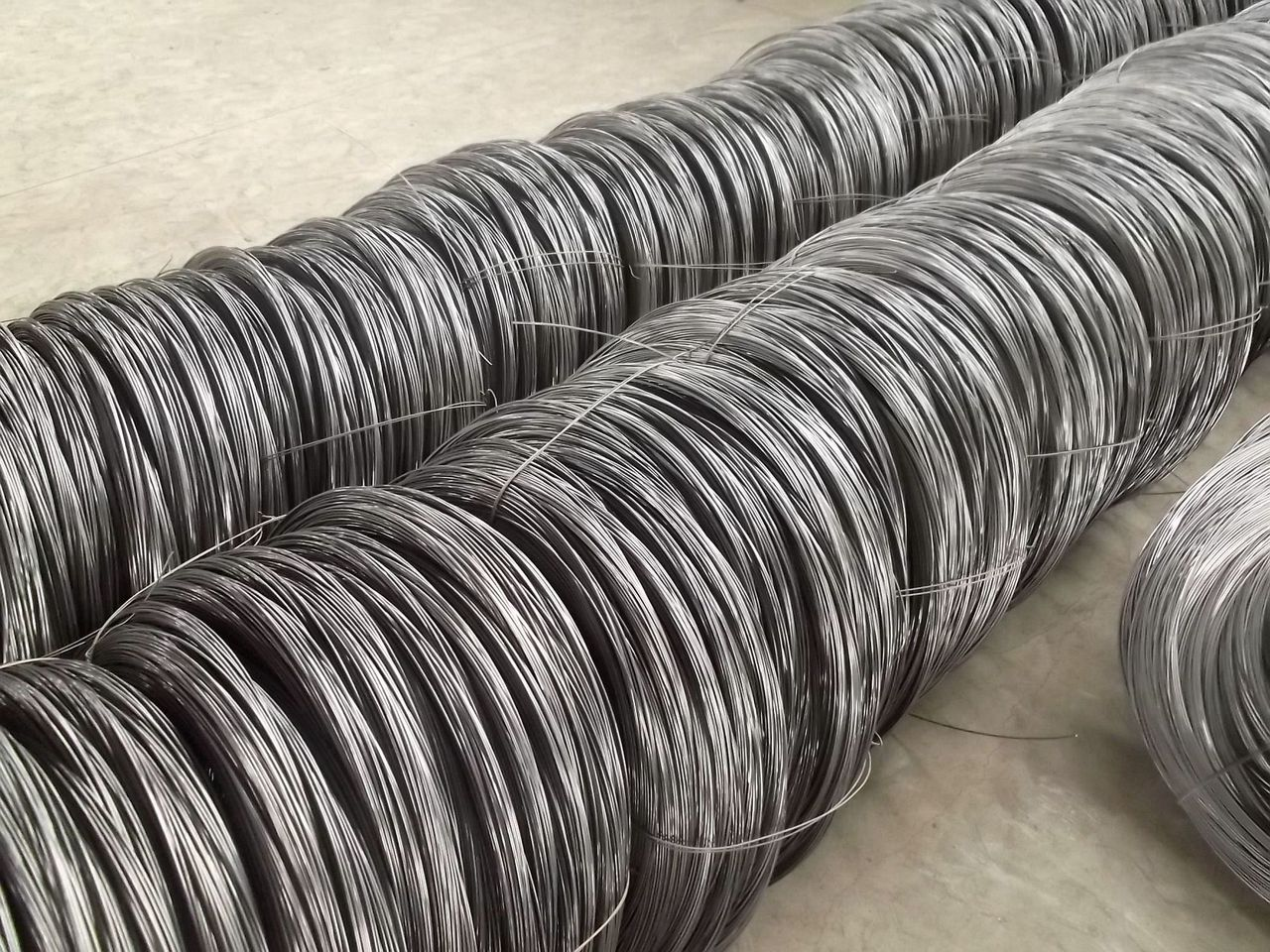
Materials used in steel wire products
Steel wire is primarily made from different grades of steel, each with unique properties suitable for specific applications. The most commonly used materials in steel wire products include:
1. Galvanized Steel Wire: This type of steel wire is coated with a layer of zinc to enhance its corrosion resistance. Galvanized steel wire is widely used in outdoor applications, such as fencing, where its exposure to the natural environment needs to be considered.
2. Stainless Steel Wire: Stainless steel wire is renowned for its excellent corrosion resistance and aesthetic appeal, and is commonly used in applications with extremely high hygiene requirements, such as food processing and the medical industry. Furthermore, due to its smooth appearance, stainless steel wire is also highly favored in construction applications.
3. Carbon steel wire: This type of wire is made from steel with carbon as the main alloying element. Carbon steel wire is known for its high tensile strength and is commonly used in construction, automobiles, and manufacturing.
4. Iron wire: Although not as common as steel wire, iron wire is still used for some specific purposes, especially in crafts and decorative projects. It is ductile and can be easily made into various shapes.
5. Steel wire: refers to all wires made of steel, with a wide range of applications, from industrial to consumer products.
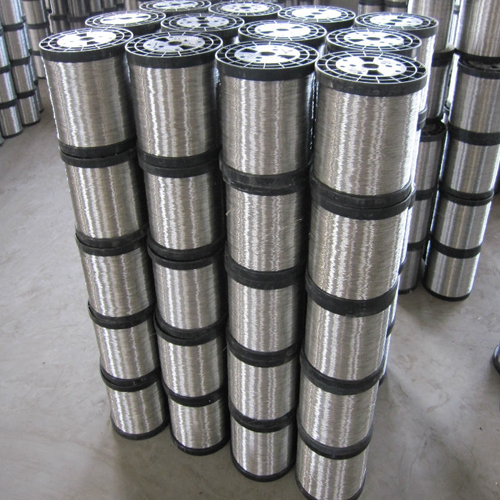
Practical applications of steel wire
Steel wire products have a wide range of practical applications in various industries. Some noteworthy uses include:
Construction Industry: Steel wire is widely used in the construction industry to reinforce concrete structures. It is also used to produce wire mesh, providing additional strength and stability to buildings.
- Fence: Galvanized steel wire is commonly used in fencing to provide durable barriers for agricultural, residential, and commercial real estate.
Automotive Industry: Carbon steel wire is commonly used in the automotive industry to manufacture components such as springs, cables, and wire harnesses.
- Manufacturing: Steel wire is used in a variety of manufacturing processes, including the production of fasteners, hooks and other hardware products.
- Crafts and DIY Projects: Iron wire and other types of steel wire are popular among craft enthusiasts and can be used to make decorations, sculptures and other artistic creations.
Manufacturing process and surface details of steel wire
The production of steel wire involves several key processes to ensure that the final product meets the required specifications and quality standards. The main steps include:
1. Wire Drawing: This is the process of drawing steel through a series of dies to reduce its diameter and increase its length. Depending on the required properties of the final product, the wire drawing process can be performed using either cold drawing or hot drawing methods.
2. Annealing: After drawing, the steel wire may need to undergo annealing, a heat treatment process that eliminates internal stress and improves ductility. This step is particularly important for carbon steel wire as it enhances its machinability.
3. Coating: Galvanized steel wire is coated with a layer of zinc to prevent corrosion. Galvanizing methods include hot-dip galvanizing and electro-galvanizing, which provide different levels of protection and surface finishes.
4. Surface Treatment: The surface of the steel wire can be treated to achieve specific properties, such as smoothness or texture. This may include processes such as polishing, coating, or applying lubricants to facilitate handling and installation.
5. Quality Control: Throughout the production process, we implement stringent quality control measures to ensure that the wires meet industry standards and customer specifications. This includes tensile strength, elongation, and corrosion resistance testing.
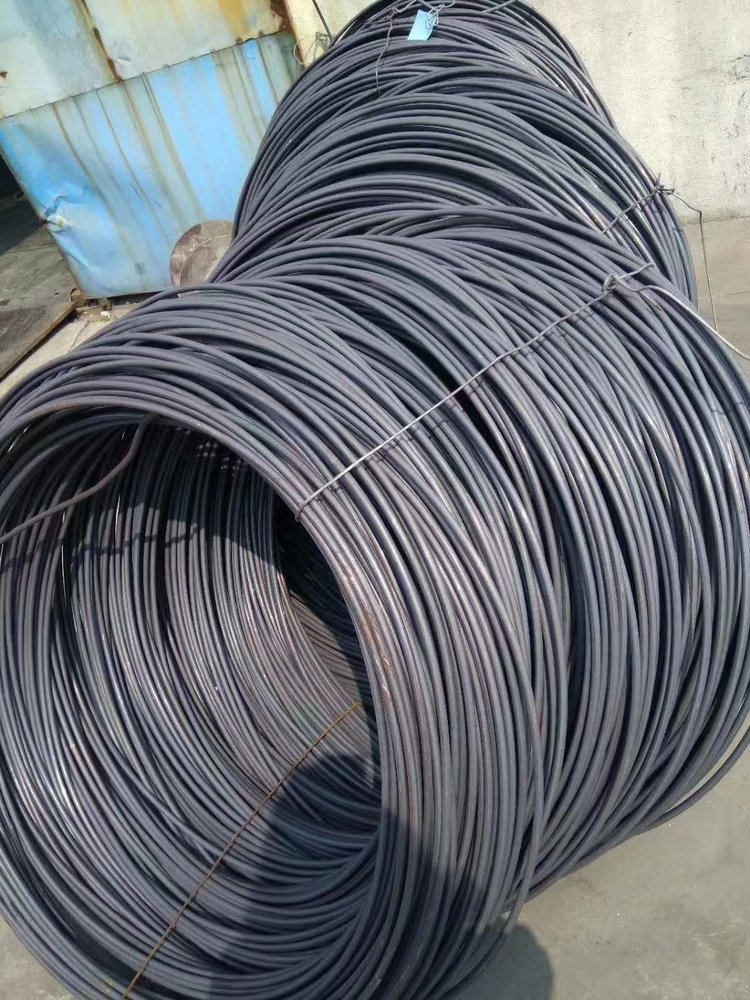
Steel wire derivatives and their uses
Steel wire can be further processed into a variety of products, each with its unique application. Some common products include:
- Wire Mesh: Wire mesh is made of welded or woven steel wire and is widely used in construction, agriculture, and security. It provides a strong barrier while ensuring ventilation and visibility.
- Spring steel wire: This specialized steel wire is used to manufacture springs for a wide range of applications, including automotive, industrial machinery, and consumer products.
- Cables and Wire Ropes: Steel wires are usually twisted together to form cables and wire ropes, which are commonly used in lifting, rigging, and construction applications due to their high tensile strength.
- Fasteners: Steel wire can be made into nails, screws, and other fasteners that are essential in construction and manufacturing.
- Arts and Decorations: Craftsmen use wire to create sculptures, jewelry, and other decorative items, showcasing the versatility and beauty of this material.
In summary, steel wire products, including galvanized steel wire, stainless steel wire, carbon steel wire, and iron wire, play a vital role in various industries. Jindalai Steel Group Co., Ltd., as a leading enterprise in this industry, is committed to providing high-quality steel wire solutions that meet the diverse needs of its customers. For anyone wishing to utilize this versatile material in their projects or business, understanding the materials, applications, manufacturing processes, and potential derivatives of steel wire is essential.
Post time: Aug-03-2026


