

Introduction to Galvanized Pipes
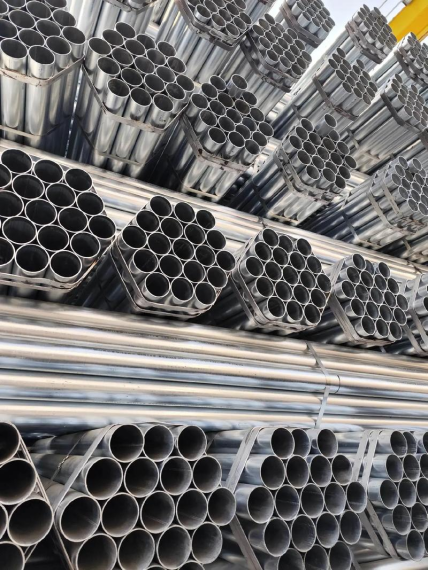
Galvanized pipes, including galvanized steel pipe and galvanized iron pipe, are essential components in various construction and plumbing applications. Jindalai Steel Group Co., Ltd. stands out as a leading galvanized pipe supplier, providing high-quality products that meet industry standards. The process of galvanization involves coating steel or iron with a layer of zinc, which serves as a protective barrier against rust and corrosion. This blog will explore the differences between hot-dip galvanized and electro-galvanized pipes, the main types and specifications of galvanized pipes, and important precautions to consider during processing and installation.
Hot-Dip Galvanized vs. Electro-Galvanized Pipes
The essential difference between hot-dip galvanized and electro-galvanized pipes lies in their manufacturing processes and the resulting protective qualities. Hot-dip galvanization involves immersing the steel or iron pipe in molten zinc, creating a thick, durable coating that adheres strongly to the surface. This method provides superior corrosion resistance, making it ideal for outdoor and industrial applications. In contrast, electro-galvanization uses an electrochemical process to apply a thinner layer of zinc. While this method offers a smoother finish and is suitable for indoor applications, it may not provide the same level of protection against harsh environmental conditions as hot-dip galvanization.
Types and Specifications of Galvanized Pipes
Galvanized pipes come in various types and specifications to cater to different needs. The most common types include standard galvanized steel pipes, which are widely used in plumbing and construction, and galvanized iron pipes, often utilized in older buildings. Specifications such as diameter, wall thickness, and length are crucial when selecting the right pipe for a project. For instance, galvanized pipes are available in sizes ranging from ½ inch to 6 inches in diameter, with wall thicknesses that can vary based on the intended application. Understanding these specifications is vital for ensuring the structural integrity and longevity of the installation.
Precautions During Processing of Galvanized Pipes
When processing galvanized pipes, certain precautions must be taken to maintain the integrity of the zinc coating. First, it is essential to avoid using abrasive tools that can scratch or damage the surface, as this can lead to corrosion. Additionally, when cutting or welding galvanized pipes, proper ventilation is necessary to prevent the inhalation of harmful fumes released during the process. It is also advisable to use protective gear, such as gloves and masks, to safeguard against exposure to zinc dust and particles. By adhering to these precautions, workers can ensure a safe and effective processing environment.
Installation Considerations for Galvanized Pipes
Proper installation of galvanized pipes is crucial for maximizing their lifespan and performance. One key consideration is to ensure that the pipes are adequately supported to prevent sagging or bending, which can compromise their structural integrity. Additionally, when connecting galvanized pipes to other materials, it is important to use compatible fittings to avoid galvanic corrosion. Finally, sealing joints with appropriate sealants can help prevent leaks and maintain the system’s efficiency. By following these installation guidelines, users can enjoy the benefits of galvanized pipes for years to come.
In conclusion, galvanized pipes, including galvanized steel and iron options, are vital for various applications due to their corrosion-resistant properties. Jindalai Steel Group Co., Ltd. is committed to providing high-quality galvanized pipe production, ensuring that customers receive reliable products tailored to their needs. Understanding the differences between hot-dip and electro-galvanized pipes, the types and specifications available, and the precautions necessary during processing and installation will empower users to make informed decisions for their projects.
Post time: Feb-16-2026


