

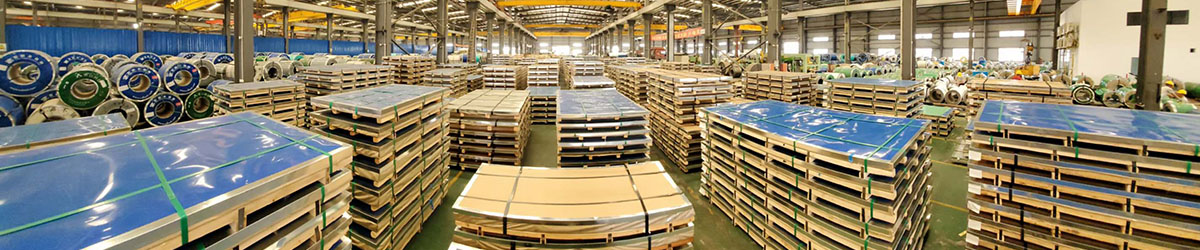
Stainless steel sheet is available in various grades, each designed for specific applications. The most commonly used grades are 304 and 201 stainless steel sheet. In terms of specifications, both 304 and 201 stainless steel sheets are offered in a variety of thicknesses, widths, and lengths to meet different requirements.
We have carefully formulated the specifications of our stainless steel sheets to ensure that our customers receive products that perfectly meet their needs. For example, our 304 stainless steel sheets are typically 0.3 mm to 50 mm thick, with widths up to 2000 mm, and lengths can be customized to your project requirements. Similarly, our 201 stainless steel sheets are offered in similar sizes, providing greater flexibility in design and application. Each sheet undergoes rigorous quality testing to ensure compliance with international standards and specifications.
Let’s discuss the differences in performance and application scenarios resulting from compositional differences between 304 and 201 stainless steel sheets.
I. Composition Differences: The Core Factor Determining Performance
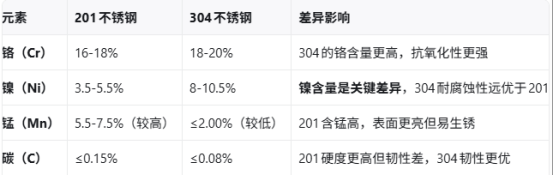
II. Recommendations for Choosing the Most Appropriate Product Grade for Different Application Scenarios
Food Contact Scenarios:
Core Requirements: No harmful substance leaching, resistance to acid and alkali corrosion from food, easy to clean
Selection Recommendation: Prioritize 304 stainless steel sheet. Meets national standards for food contact stainless steel, resists corrosion from acidic (e.g., vinegar, fruit juice) and alkaline substances in food, and will not release harmful elements such as manganese and chromium with long-term use.
Typical Applications: Kitchen worktops, food processing lines, tableware containers, etc.

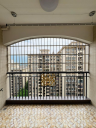
Interior Decoration Scenarios:
Selection Recommendation: 201 stainless steel sheet is an option. Low corrosion risk in dry indoor environments; 201 has high hardness, providing stronger resistance to deformation when used for decorative parts such as security windows, door frames, and baseboards, and offers a significant price advantage.
Industrial Manufacturing Scenarios:
Lightly Corrosive/Dry Environments:For general equipment housings, shelves, and tool racks, 201 stainless steel is sufficient and cost-effective.
Heavily Corrosive/Special Environments: For chemical workshops, wastewater treatment equipment, and marine environments, 304 stainless steel is essential. Its corrosion resistance ensures long-term stable operation and reduces maintenance costs.

Automotive/Transportation Scenarios:
Selection Recommendations: Choose based on component location.
Exterior Body Trim (e.g., roof racks, trim): 304 stainless steel resists rain and road salt corrosion, maintaining a clean appearance over time.
Non-Critical Interior Structural Components:201 stainless steel is cost-effective and meets the requirements of dry indoor environments.

In the application of stainless steel products, stainless steel sheet serves as a basic material, and its diverse thickness specifications meet the wide range of needs across various industries. As a leading supplier of stainless steel sheet, Jindalai Steel Group Co., Ltd. is committed to providing high-quality products that meet the diverse needs of its customers.
Post time: Apr-15-2026


