

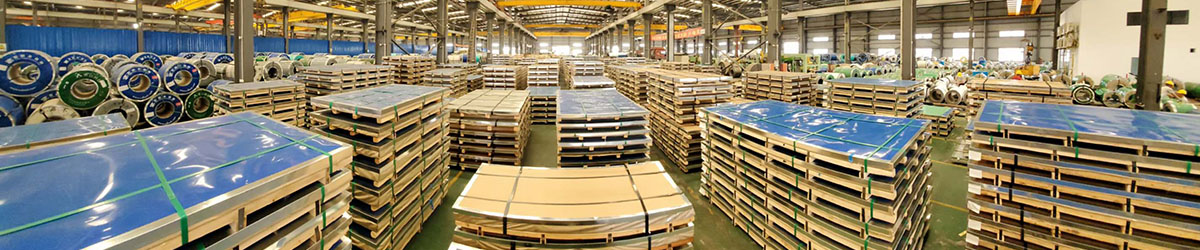
Galvanized coil is a metal composite material made by immersing thin steel sheets in molten zinc, causing a layer of zinc to adhere to their surface. Its core materials are steel and zinc alloy. This process not only preserves the original strength and toughness of the steel sheet but also greatly enhances the material’s corrosion resistance and service life through the protective zinc layer. In the steel manufacturing industry, galvanized coil plays a crucial role in various fields due to its superior durability and corrosion resistance.
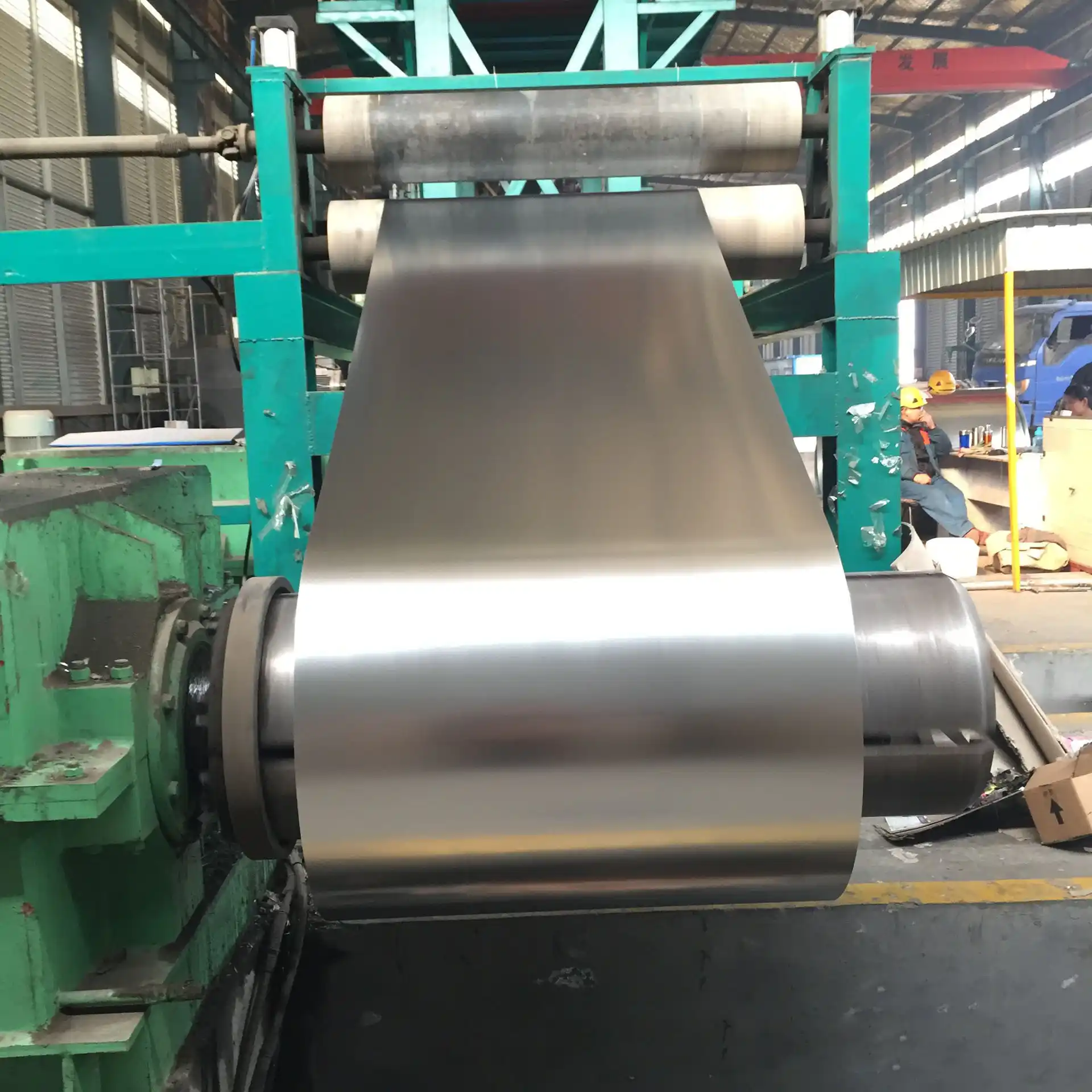
The production process of galvanized coils.
| type | Features | application |
| Hot-dip galvanized coils | Immersing steel plates in molten zinc creates a thick zinc layer with strong corrosion resistance; this is currently the most common process. | Building structures, vehicle chassis, outdoor facilities, etc. |
| Alloyed galvanized coil | Immediately after hot-dip galvanizing, the surface is heated to **500℃** to form a zinc-iron alloy layer, resulting in superior paintability and weldability. | Scenarios with high requirements for painting and welding. |
| Electroplated zinc coil | Zinc is deposited through an electrolytic reaction, resulting in a thinner coating with a high surface finish and good processability, but its corrosion resistance is not as good as that of hot-dip galvanizing. | Home appliances, precision parts, and products with high surface quality requirements. |
| Zinc-aluminum-magnesium plating | Adding 2-3% aluminum and 1-2% magnesium to the coating improves corrosion resistance by more than 10 times compared to ordinary zinc plating. | Coastal environments with high corrosiveness, and power facilities (such as transmission towers). |
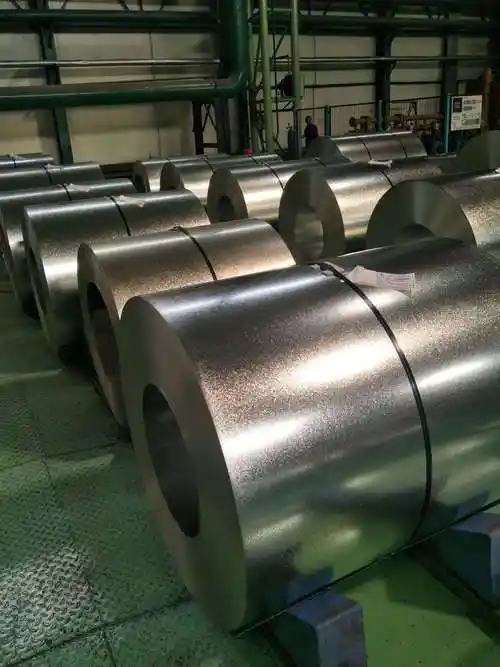
Commonly used steel grades in galvanized steel coil production.
In the production of galvanized steel coils, the selection of steel grade is crucial as it directly affects the performance and durability of the final product. Commonly used steel grades include ASTM A653, widely recognized for its excellent formability and weldability. This steel is frequently used in the production of galvanized coils for the construction and automotive industries.
Another commonly used steel is ASTM A924, specifically designed for hot-dip galvanized steel sheet products. This steel offers excellent corrosion resistance, making it ideal for outdoor applications requiring tolerance to harsh weather conditions.
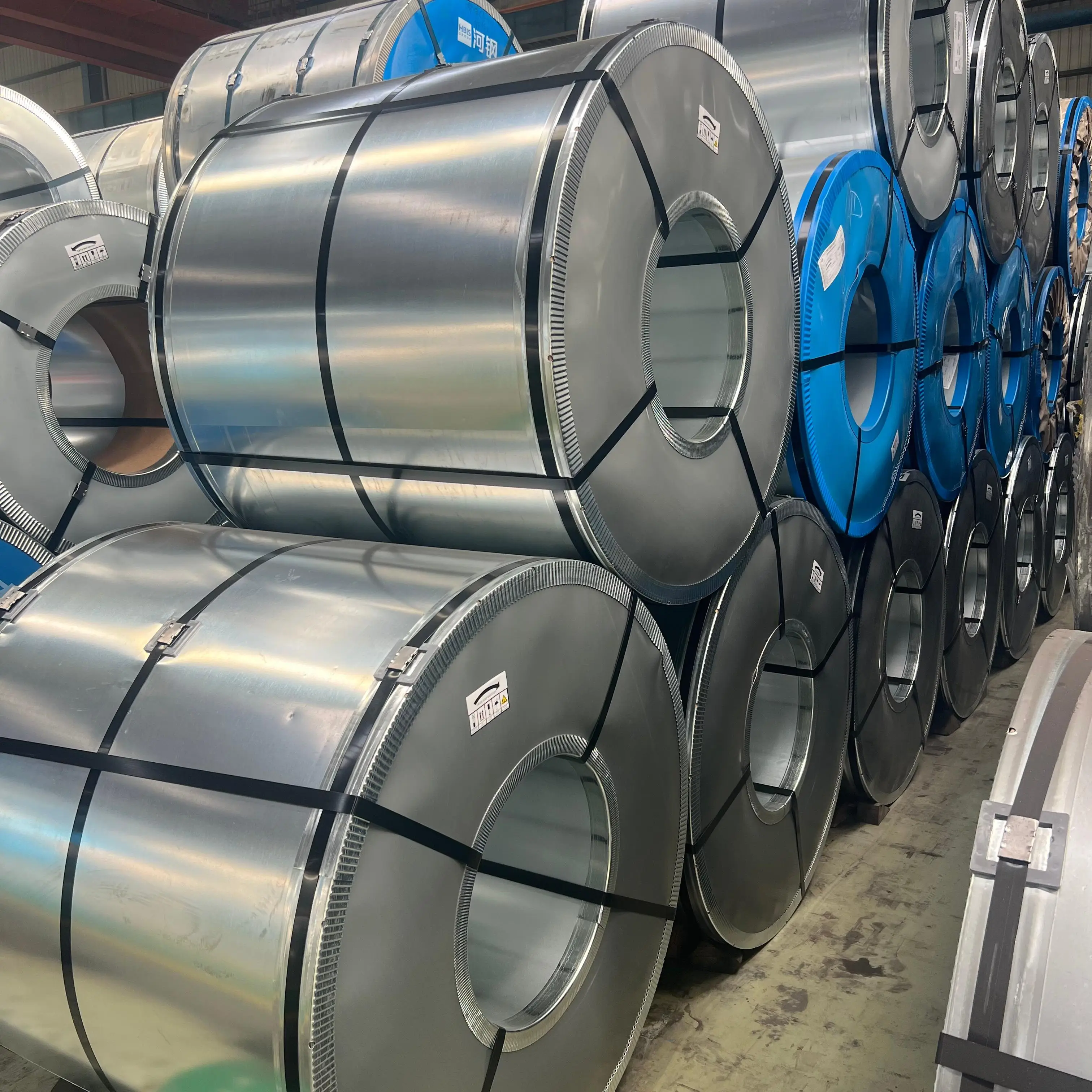
Surface treatment process of galvanized coil
The surface treatment process of galvanized coils refers to the post-treatment process carried out after galvanizing to further improve its corrosion resistance, rust prevention and meet specific processing or use requirements.
Common surface treatments for galvanized coils and their characteristics are as follows:
* Passivation: Prevents white rust and improves corrosion resistance. A chemical conversion film is formed on the surface, effectively slowing down the corrosion of the zinc layer in humid environments. It is divided into chromic acid passivation and chromium-free passivation.
* Oiling: Provides short-term rust prevention, preventing white rust from forming during transportation and storage. Applying a layer of rust-preventive oil to the surface is the most basic and versatile treatment. While its protective ability is relatively limited, it is low-cost and highly adaptable.
* Passivation + Oiling: Double protection, especially suitable for harsh environments. Passivation is performed first, followed by a layer of rust-preventive oil, providing a superimposed anti-corrosion effect.
* Fingerprint Resistance Treatment: Improves resistance to sweat stains and keeps the surface clean. A special fingerprint-resistant film is applied to prevent fingerprints from causing corrosion and contamination during assembly or use.
* Finishing: Improves sheet shape and surface roughness. A finishing machine flattens the galvanized sheet, making the zinc flowers finer and more uniform, and the surface smoother.
Application scenarios of galvanized steel coils
Construction Industry.
Roofing and Walls: Roofing and wall materials used in industrial plants and commercial buildings, providing both waterproofing and corrosion resistance.
Steel Structures: Load-bearing components such as purlins and wall beams used in light steel structure buildings.
Others: Ventilation ducts, building formwork, highway guardrails, cable trays, etc.
Home Appliance Manufacturing.
Large Appliance Housings: Housings for products such as refrigerators, washing machines, and air conditioners.
Small Appliances and Components: Inner walls for microwave ovens and ovens, as well as housings for rice cookers and electric kettles.
Automotive Industry.
Body Panels: Exposed components such as doors, hoods, and trunk lids.
Chassis and Structural Components: Chassis parts and body frames that withstand road corrosion.
Post time: Sep-04-2026


